




403
Sorry!!
Error! We're sorry, but the page you were looking for doesn't exist.
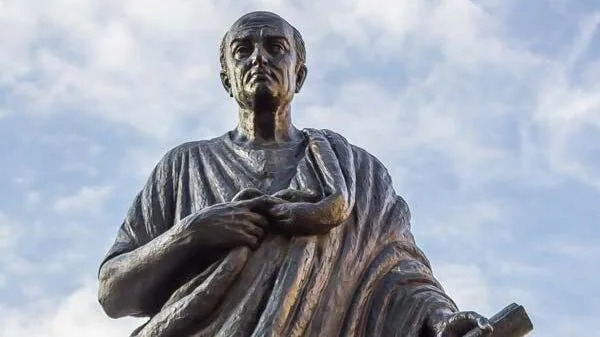
Quote Of The Day: Seneca On Anxiety - 'We Suffer More Often In Imagination Than In Reality'
(MENAFN- Live Mint) Ancient Roman philosopher Seneca left behind many observations on fear, discipline and human behaviour, but one quote in particular continues to resonate strongly in the modern world of stress, uncertainty and overthinking. His famous line -“We suffer more often in imagination than in reality” - offers a timeless lesson on anxiety, emotional self-control and the dangers of letting the mind magnify fear before reality even arrives.
Born around 4 BCE in Corduba, now Córdoba in Spain, Seneca, also known as Seneca the Younger, became one of the most influential Stoic philosophers of the Roman Empire. Beyond philosophy, he built a remarkable public career as a statesman, dramatist, orator and adviser to Emperor Nero. His essays and letters later became some of the most widely studied works in Stoic philosophy and continue to shape conversations around resilience, mental discipline and personal growth.
Also Read | Quote for the day by Charles Dickens: 'No one is useless in this world who...' Quote of the day by Seneca“We suffer more often in imagination than in reality.”
- Seneca
The quote comes from Moral Letters to Lucilius, specifically Letter 13, titled On Groundless Fears. In the letter, Seneca explains how human beings frequently create emotional suffering by anticipating problems long before they actually happen.
The insight remains strikingly relevant today. People often worry about careers before losing jobs, relationships before difficult conversations happen, health before medical reports arrive and failure before any real setback occurs. The mind begins rehearsing disaster before reality has even spoken.
What the quote impliesSeneca's message is not that pain, grief or hardship are imaginary. Rather, he argues that the human mind often multiplies suffering through fear, anticipation and exaggerated thinking.
Reality may present one genuine challenge, but imagination can transform it into many more. A delayed response becomes rejection. A rumour becomes catastrophe. Uncertainty becomes emotional panic.
This is one of the core ideas of Stoicism - that events themselves are only one part of human experience. The second part comes from judgement and interpretation. Seneca believed that people must learn to distinguish between what is actually happening and what the mind merely fears could happen.
Also Read | Quote of the Day by Epictetus: 'It is difficulties that show what men are'The quote also challenges the modern tendency to confuse overthinking with preparation. Preparation creates action and clarity. Anxiety-driven imagination creates paralysis.
In an age dominated by constant notifications, social media comparisons, workplace pressure and uncertainty about the future, Seneca's observation feels unusually contemporary. Much of modern stress is anticipatory rather than immediate.
Why Seneca's words still resonate todayThe quote resonates because it addresses a universal psychological habit: suffering twice.
Many people mentally experience embarrassment before presentations, heartbreak before conversations, failure before opportunities and criticism before judgement even arrives. The brain treats imagined danger as if it were already real.
Seneca's advice is not to stop thinking altogether, but to think more clearly. Stoicism encourages separating facts from assumptions and focusing only on what lies within personal control.
This philosophy has regained popularity in recent years among entrepreneurs, athletes, psychologists and productivity experts because of its practical approach to emotional discipline.
Another Seneca quote that deepens the lessonAnother famous line commonly linked to Seneca expands this Stoic worldview:
“It is not that we have a short time to live, but that we waste a lot of it.”
- Seneca
The quote, associated with his essay On the Shortness of Life, argues that people lose much of life not because time itself is insufficient, but because attention is wasted on distraction, anxiety and unnecessary mental suffering.
Together, the two quotes deliver a larger Stoic lesson: an untrained mind wastes both peace and time.
Also Read | Twisha Sharma death case: Video of Giribala Singh feeding dog sparks outrage How to apply Seneca's advice in daily life- Separate facts from assumptions: Write down what has actually happened and what you are merely imagining. Ask for evidence: Before accepting a fearful thought, ask whether there is real proof behind it. Prepare, then stop rehearsing: Take the practical action available and avoid replaying the same fear repeatedly. Focus on the present: Anxiety often lives in imagined futures rather than current reality. Reduce panic-driven thinking: Do not allow rumours, speculation or online outrage to become emotional truth. Use worst-case thinking wisely: Ask what action you would realistically take if the feared event actually happened.
Another quote widely attributed to Seneca captures the same Stoic understanding of emotional resilience:
“No man is crushed by misfortune unless he has first been deceived by prosperity.”
The line reflects Seneca's belief that suffering often grows from unrealistic expectations about life remaining stable, predictable and fully controllable.
His larger lesson remains simple but powerful: do not let imagination become your first source of suffering. Fear should not arrive before reality does.
(Disclaimer: The first draft of this story was generated by AI)

Legal Disclaimer:
MENAFN provides the
information “as is” without warranty of any kind. We do not accept
any responsibility or liability for the accuracy, content, images,
videos, licenses, completeness, legality, or reliability of the information
contained in this article. If you have any complaints or copyright
issues related to this article, kindly contact the provider above.
Most popular stories
Market Research

More Story





Comments
No comment