




403
Sorry!!
Error! We're sorry, but the page you were looking for doesn't exist.
7 Everyday Purchases That No Longer Feel“Cheap” To Middle-Class Households In 2026
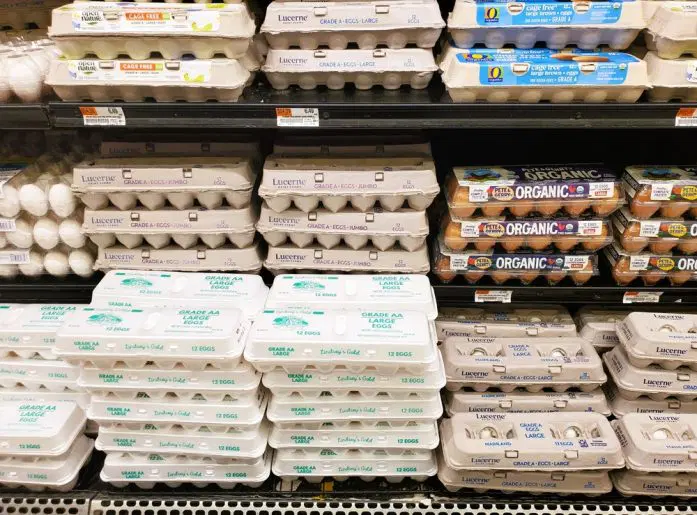
(MENAFN- Free Financial Advisor) Eggs are important, but their price is making them no longer cheap for the average family – Shutterstock
Everyday shopping in 2026 keeps surprising households in ways that feel impossible to ignore. Items that once slipped easily into weekly budgets now demand careful planning and comparison. Grocery runs, quick errands, and basic household restocks now carry price tags that spark second thoughts at checkout. Middle-class households now track spending more closely as familiar products lose their“cheap” reputation. The shift reshapes routines, priorities, and even small daily decisions.
Prices continue climbing across multiple categories at the same time, not just in one or two isolated areas. Wage growth struggles to keep pace in many regions, including urban and suburban communities. Families adjust habits by switching brands, reducing quantities, or delaying non-urgent purchases. The result creates a new normal where“affordable” no longer matches old expectations. These seven everyday purchases highlight the clearest examples of that change.
1. Grocery Store Staples Like Eggs, Milk, and BreadGrocery staples now shock shoppers who once treated them as predictable budget items. Eggs, milk, and bread show frequent price swings that disrupt weekly planning. Many households now compare store brands and name brands more carefully than before. Even small increases add up quickly across multiple trips each month. Grocery budgets now require tighter tracking than many people expected in 2026.
Food retailers adjust prices based on supply chain costs, energy expenses, and transportation changes. Shoppers now notice that even basic breakfast items push total receipts higher than expected. Families respond by buying in bulk or switching to discount stores more often. Some households even rotate stores depending on weekly sales patterns. These shifts show how everyday food essentials no longer feel inexpensive.
2. Fast Food“Value Meals” and Drive-Thru OrdersFast food once offered a low-cost escape from cooking, but that perception has shifted sharply. Value meals now often cost close to sit-down restaurant specials in many cities. Drive-thru orders frequently surprise customers who expect smaller totals at checkout. Combo meals now trigger double takes when receipts appear on phone apps. Convenience now competes directly with budget concerns in 2026.
Restaurants face higher ingredient costs, labor expenses, and packaging fees that push menu prices upward. Many chains also redesign menus with premium ingredients that raise baseline costs. Customers respond by skipping extras or choosing smaller portions. Some families now treat fast food as an occasional luxury rather than a quick fix. The entire category now sits in a new price reality.
3. Household Cleaning Products and Laundry SuppliesCleaning products now cost noticeably more, especially for name-brand detergents and disinfectants. Laundry pods, surface sprays, and dishwashing liquids now stretch household budgets further than expected. Many shoppers notice fewer discounts and smaller promotional deals in stores. Even refill packs no longer deliver the savings they once promised. Cleaning routines now carry a higher financial footprint.
Manufacturers face rising costs for raw materials, plastics, and shipping logistics. Retailers pass those costs along while reducing coupon availability. Households respond by buying store brands or using refill systems where possible. Some families also extend product usage by diluting cleaners or reducing frequency. These adjustments show how basic hygiene supplies now feel less affordable.
4. Personal Care Items Like Shampoo, Soap, and SkincarePersonal care products now rank among the most quietly expensive everyday essentials. Shampoo bottles, body wash, and basic skincare items now cost more per unit than many shoppers expect. Brand loyalty now competes with budget constraints in many households. Even small upgrades in formulas now come with noticeable price jumps. Bathroom shelves now reflect more careful purchasing decisions.
Companies continue introducing premium versions with added ingredients and specialized formulas. Those upgrades push average shelf prices higher across all categories. Consumers respond by switching to multipacks or simpler product lines. Many households now extend usage timelines to reduce frequency of replacement. This category now shows how“small” purchases add up quickly.
5. Transportation Costs Like Gas and RidesharesTransportation now takes a larger share of monthly budgets, especially for commuters. Gas prices fluctuate more frequently, which complicates weekly planning. Rideshare trips also cost more during peak hours and busy seasons. Even short trips now feel less casual due to pricing changes. Mobility now demands more intentional budgeting decisions.
Fuel markets respond to global supply conditions, refinery output, and seasonal demand. Rideshare platforms adjust pricing based on driver availability and demand surges. Commuters respond by carpooling, combining errands, or using public transit more often. Some households even shift work schedules to reduce travel frequency. Transportation now reflects one of the clearest cost increases in daily life.
6. Streaming Subscriptions and Digital EntertainmentStreaming services now feel less like optional extras and more like stacked expenses. Many platforms raise prices while introducing new tiers and ad-supported plans. Households now juggle multiple subscriptions to access different shows and sports. Monthly totals now rival traditional cable bills in many cases. Entertainment now carries a more noticeable financial weight.
Companies invest heavily in original content, which increases operational costs. Those costs often pass directly to subscribers through higher fees. Families respond by rotating subscriptions or sharing accounts where possible. Some households now cancel services after finishing specific shows. Digital entertainment now requires active management instead of passive payment.
7. School Supplies and Basic Office EssentialsSchool supplies now cost more than many parents expect during back-to-school seasons. Notebooks, pens, backpacks, and calculators now show steady price increases year after year. Office essentials like printer paper and ink cartridges also follow similar trends. Bulk purchases no longer guarantee the same savings they once delivered. Educational and work supplies now require more planning.
Manufacturers face higher material costs and transportation expenses that affect retail pricing. Retailers also adjust seasonal pricing strategies during peak demand periods. Families respond by reusing supplies, shopping early, or buying during clearance events. Teachers and students also share resources more strategically in classrooms. These adjustments show how learning-related expenses now stretch budgets further.
What These Everyday Costs Reveal About 2026 SpendingThese seven categories show how inflation pressures now reach into nearly every corner of daily life. Households no longer focus only on big-ticket expenses like rent or mortgages. Small and frequent purchases now create meaningful strain across monthly budgets. Even routine errands now require more awareness and comparison shopping. Financial planning now extends into areas that once felt automatic.
What everyday purchase has surprised households the most with its rising cost lately? Give us your thoughts and experiences in the comments below.

Legal Disclaimer:
MENAFN provides the
information “as is” without warranty of any kind. We do not accept
any responsibility or liability for the accuracy, content, images,
videos, licenses, completeness, legality, or reliability of the information
contained in this article. If you have any complaints or copyright
issues related to this article, kindly contact the provider above.
Most popular stories
Market Research

More Story







Comments
No comment