




403
Sorry!!
Error! We're sorry, but the page you were looking for doesn't exist.
8 Ways Utility Companies Are Quietly Charging Homeowners More In 2026
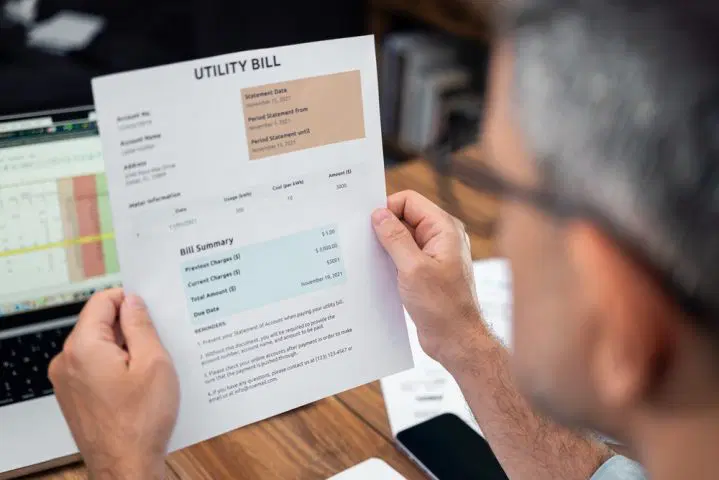
(MENAFN- Everybody Loves Your Money) Utility companies are starting to charge homeowners more in 2026, and here is how – Shutterstock
Utility bills used to feel predictable. A homeowner could crank the air conditioning during a July heat wave or blast the furnace through a January cold snap and still expect a manageable monthly payment. That sense of stability disappeared fast in 2026, and plenty of households now stare at utility statements that look more like luxury car payments. Energy providers, water companies, and municipal services have rolled out new pricing structures, hidden fees, and“modernization” charges that quietly drain bank accounts month after month.
The frustrating part comes from how subtle many of these increases look on paper. A small delivery surcharge here and a tiny infrastructure fee there may not seem dramatic at first glance. Yet those little additions stack up quickly over a year, especially as inflation continues squeezing household budgets. Homeowners who pay attention to these billing changes now stand a much better chance of avoiding unpleasant financial surprises later.
1. Time-of-Use Pricing Punishes Peak-Hour Energy UseUtility companies across the country now push time-of-use pricing plans that charge higher rates during peak demand hours. Running the dishwasher at 6 p.m. or charging an electric vehicle after work can suddenly cost far more than doing the same task later at night. Many homeowners never notice the switch because providers often enroll customers automatically during“grid modernization” updates. The average family may pay hundreds more annually simply because daily routines happen during expensive billing windows. A household with teenagers gaming, streaming, and charging devices during peak evening hours can easily trigger larger energy costs without changing total electricity usage.
These pricing structures create another problem for people who work from home. Home offices, air conditioning systems, and appliances operate during the exact hours utility companies now charge premium rates. Families in warmer states especially feel the impact because summer cooling costs spike during peak afternoon periods. Some providers advertise time-of-use plans as eco-friendly while quietly boosting profits through complex billing schedules. Homeowners who shift laundry, dishwashing, and EV charging to off-peak hours often notice immediate savings.
2.“Infrastructure Improvement Fees” Never Seem to EndMany utility companies now add infrastructure improvement charges to monthly bills, claiming aging systems require upgrades and maintenance. These fees often appear as tiny line items, but they rarely disappear after projects finish. Water utilities, electric providers, and gas companies continue collecting the charges long after replacing pipelines, substations, or equipment. A homeowner paying an extra $12 monthly might shrug it off initially, yet that equals nearly $150 annually for one vague fee alone. Multiply several infrastructure surcharges together, and the yearly total becomes surprisingly painful.
Companies defend these charges by pointing to climate resilience projects, wildfire prevention work, and grid reliability improvements. Those upgrades certainly matter, but many homeowners feel frustrated because utility executives often report strong profits while customers absorb the costs. Some municipalities also approve automatic annual fee increases tied to inflation or construction expenses. That means the charge quietly grows every year without homeowners noticing much public discussion. Careful bill reviews can help consumers identify which fees continue increasing over time.
3. Smart Meter Programs Come With Hidden CostsSmart meters promised convenience, accurate readings, and energy efficiency when utility companies first introduced them. In reality, many providers now charge homeowners monthly“smart service” fees connected to those devices. Some companies even bill customers extra for accessing detailed energy usage reports through online dashboards. The irony stings because homeowners essentially pay utilities to monitor their own electricity consumption. In some regions, opting out of smart meter programs triggers separate penalty fees that push costs even higher.
The technology also allows providers to track energy usage in real time, making it easier to implement dynamic pricing and demand charges. A brief spike in electricity usage can suddenly increase monthly costs under newer billing models. Homeowners with electric vehicles, home gyms, or large entertainment systems may unknowingly trigger these spikes more often. Utility companies frame smart meters as a modern convenience while gaining far more control over how and when customers consume energy. Reviewing energy usage patterns carefully has become essential in 2026.
4. Water Bills Now Include Stormwater ChargesWater bills no longer cover only water usage in many cities. Homeowners increasingly face stormwater management fees based on roof size, driveway space, and other hard surfaces on their property. Local governments claim these charges help maintain drainage systems and prevent flooding during severe weather events. A larger home with expansive concrete areas can face noticeably higher fees regardless of actual water consumption. Some homeowners discover these charges only after noticing mysterious increases on monthly statements.
Climate concerns continue driving these programs nationwide as cities struggle with aging drainage infrastructure and heavier storms. Unfortunately, the formulas often feel confusing and inconsistent. Two neighbors with similar-sized homes may receive different charges depending on local assessment methods. Homeowners who install rain barrels, permeable pavement, or native landscaping occasionally qualify for credits, but many residents never hear about those programs. Asking utility departments directly about available discounts can sometimes reduce the burden.
5. Minimum Usage Fees Hurt Low-Consumption HouseholdsCutting back on electricity or water usage no longer guarantees lower bills. Many utility companies now impose minimum usage charges that require customers to pay a baseline amount every month regardless of actual consumption. Retirees, single-person households, and vacation homeowners often feel especially frustrated because careful conservation barely affects total costs. A family that aggressively lowers water usage might still receive nearly the same bill due to fixed service charges and mandatory fees. That reality discourages conservation efforts for many consumers.
Providers argue these fees help cover operational expenses and maintain reliable infrastructure even when usage drops. While that explanation makes financial sense for utilities, homeowners often see it as punishment for responsible behavior. Some energy-efficient homes now generate lower utility savings than expected because fixed charges consume a larger portion of monthly bills. Solar panel owners encounter similar frustrations when connection fees offset reductions in electricity usage. Reading the breakdown between usage costs and fixed fees reveals how much these policies affect household budgets.
6. Seasonal Surcharges Keep ExpandingUtility companies increasingly apply seasonal surcharges during periods of heavy demand or extreme weather. Summer cooling fees and winter heating adjustments now appear regularly on bills across many states. These temporary charges often arrive during the exact months families already struggle with higher usage costs. A brutal heat wave can suddenly trigger multiple layers of increased expenses at once. Homeowners often assume higher bills come solely from increased consumption without realizing seasonal pricing structures amplify the damage.
Energy providers justify these surcharges by citing fuel costs, supply chain volatility, and grid strain during extreme weather events. However, critics argue utilities use seasonal pricing to normalize permanently higher revenue streams. Some regions also add emergency preparedness fees tied to hurricanes, wildfires, or freezing conditions. Those charges rarely disappear entirely once implemented. Tracking monthly bill changes year over year can help homeowners spot recurring seasonal patterns before they spiral further.
7. Paper Billing and Customer Service Now Cost ExtraSomething as simple as receiving a paper bill now comes with additional charges from many utility providers. Companies aggressively push paperless billing while adding convenience fees for mailed statements or phone-based customer service payments. Older homeowners and residents without reliable internet access often absorb these extra costs most heavily. A few dollars here and there may not seem significant, but annual totals can quietly creep upward. Utility companies save operational costs through digital systems while passing transition expenses onto customers.
Some providers also charge processing fees for certain payment methods, including credit cards or in-person transactions. That creates another frustrating hurdle for families juggling tight monthly budgets. Customers who prefer speaking with a live representative increasingly face long wait times unless they pay expedited service fees. The shift toward automation may improve efficiency for companies, but many homeowners feel abandoned by disappearing customer support options. Reviewing payment policies carefully can prevent unnecessary monthly add-ons.
8. Renewable Energy Programs Often Raise Bills FirstGreen energy programs continue expanding rapidly in 2026, but many homeowners feel shocked by the upfront costs attached to those initiatives. Utilities frequently add renewable transition fees to fund solar farms, battery storage projects, and upgraded transmission systems. While cleaner energy may benefit the environment long term, customers often shoulder immediate financial burdens before seeing measurable savings. A homeowner committed to sustainability may still feel frustrated watching monthly bills climb year after year. These charges often arrive wrapped in positive environmental messaging that softens consumer backlash.
Some states require utilities to meet aggressive clean energy targets within tight deadlines, which increases construction and infrastructure costs. Providers then distribute those expenses across customer bills through riders and adjustment clauses. Homeowners who install solar panels sometimes encounter new grid access fees that reduce expected savings. Energy transitions rarely happen cheaply, and utility companies continue finding creative ways to recover costs from consumers. Paying attention to policy changes and local energy programs can help homeowners prepare for future increases.
The Utility Bill Shock Homeowners Can't IgnoreUtility bills in 2026 contain far more than simple charges for electricity, water, and gas. Hidden fees, seasonal surcharges, smart meter costs, and complex pricing systems now quietly inflate monthly expenses for millions of homeowners. Families who carefully review bills, ask questions, and adjust energy habits often uncover surprising opportunities to cut costs before these charges spiral further out of control.
Which hidden utility fee surprised you the most, and have monthly bills changed dramatically in your area lately?

Legal Disclaimer:
MENAFN provides the
information “as is” without warranty of any kind. We do not accept
any responsibility or liability for the accuracy, content, images,
videos, licenses, completeness, legality, or reliability of the information
contained in this article. If you have any complaints or copyright
issues related to this article, kindly contact the provider above.
Most popular stories
Market Research

More Story








Comments
No comment