




403
Sorry!!
Error! We're sorry, but the page you were looking for doesn't exist.
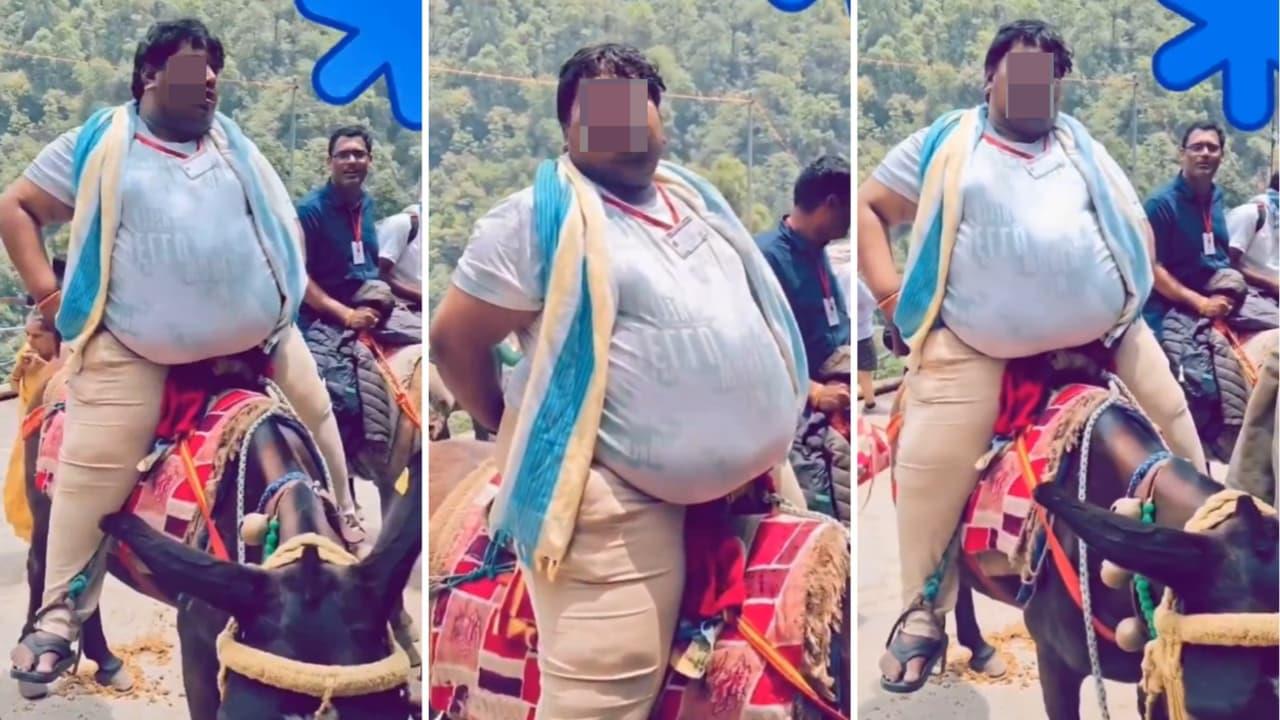
'This Is Cruelty, Not Devotion': Kedarnath Video Of Mule Carrying Heavy Pilgrim Triggers Massive Debate
(MENAFN- AsiaNet News)
A video from the Kedarnath Yatra route in Uttarakhand has sparked a major online debate after it showed a mule carrying a heavily built man during the uphill journey to the temple. Social media users claimed the man weighed around 140 kg, though his exact weight has not been officially confirmed.
SHOCKING | Mule forced to carry a man weighing around 140 kg during the trek to Kedarnath Temple twitter/tz0o6RNy68
- The Tatva (@thetatvaindia) May 27, 2026
The clip, which has now gone viral across several platforms, shows the mule struggling while climbing the steep trekking route to the Kedarnath Temple. Many users called the scene“heartbreaking” and raised concerns about animal cruelty during religious pilgrimages.
Social Media Divided Over the Incident
The video triggered thousands of reactions online. Many users criticised the use of mules for carrying overweight passengers on difficult mountain routes.
Several people questioned whether devotion should come at the cost of an animal's suffering. Some users said the man should have avoided the trek if he was unable to walk, while others argued that authorities should enforce strict weight limits for riders using ponies and mules.
This mule is forced to carry 140 kg man for an 18 km uphill trek in Kedarnath. This is heartbreaking and blatant animal abuse. When will we start enforcing strict weight limits for animal rides at pilgrimage sites? @pushkardhami @IYCUttarakhand @ASPCA @UTDBofficial @ukcmo twitter/AMCmIe4dYN
- yash saghal (@YSaghal) May 24, 2026
Animal welfare concerns quickly became the centre of the discussion. Many users pointed out how the mule appeared tired and under strain while carrying the passenger uphill for several kilometres.
Witnessing a 140 kg man ride a fragile mule is absolutely horrific. If he is under the delusion that this journey will bring him divine blessings, he is gravely mistaken; he is accumulating nothing but profound curses. This blatant cruelty toward a sentient being is a sin, and no...
- Lioness Queen (@QueenKhyati) May 26, 2026
One user wrote that pilgrimage should be about faith and discipline, not causing pain to animals. Another demanded immediate rules to stop overloaded rides on the Kedarnath route.
Others Defend the Passenger
At the same time, another section of social media defended the man seen in the video. Some users argued that he was simply using a service officially available on the pilgrimage route and should not be personally targeted or body-shamed.
A few people also said the real issue was the lack of proper government rules regarding animal load limits. Some users claimed that if the service is allowed by local authorities, responsibility should also fall on the administration and operators.
But whats wrong in this?this man is fat. so this isn't his fault wants to visit kedarnath. and surely he will not be able to climb 14 km to temple. surely hez not capable of it poor mule. feel bad for him he can do is take a break after every 30 mins. have...
- Bawaal Scene (@Bawaalscene) May 25, 2026
Dear Shiv Bhakts, agar tumhe Shiv ne bulaya hai, toh Shiv ne utni shakti b di hogi ki khudke dum par upar jao, in bejubaan jaanwaro ki kyu lanka laga baithe ho.
- Vishnu Rambali Yadav (@vishnuryadav) May 25, 2026
Others suggested that regular rest breaks, health checks for animals and stricter monitoring could reduce such incidents.
Calls for Clear Rules on Mule Rides
The Kedarnath Yatra attracts lakhs of pilgrims every year, many of whom use ponies, mules, palkis and helicopter services to reach the temple located in the Himalayas.
Following the viral video, many users demanded official guidelines on the maximum weight animals can carry during the yatra. Some social media users also compared the situation with other pilgrimage destinations where rider weight limits already exist.
So far, there has been no official statement from Uttarakhand authorities regarding the viral video. However, the incident has once again brought attention to the treatment of animals used during religious tourism and high-altitude pilgrimages.

Legal Disclaimer:
MENAFN provides the
information “as is” without warranty of any kind. We do not accept
any responsibility or liability for the accuracy, content, images,
videos, licenses, completeness, legality, or reliability of the information
contained in this article. If you have any complaints or copyright
issues related to this article, kindly contact the provider above.
Most popular stories
Market Research

More Story






Comments
No comment