




403
Sorry!!
Error! We're sorry, but the page you were looking for doesn't exist.
India: From Generics Giant To Innovation Powerhouse?
(MENAFN- ING)
Past: the pharmacy of the world was built on scale, cost and generics
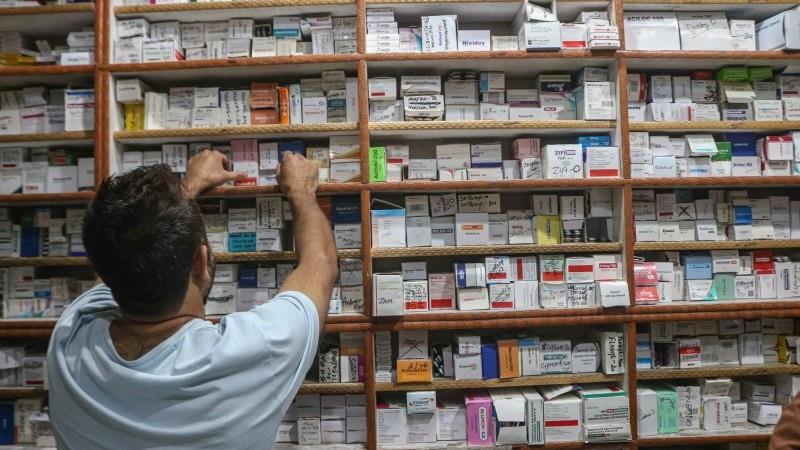
India's pharma rise has been rooted in large-scale, low-cost manufacturing, especially generics, APIs and vaccines. The sector is now the eleventh-largest globally by value, in spite of generics being priced at a fraction of innovative medicines. This shows the scale of the Indian sector. The country supplies roughly 20% of global generic medicines and manufactures around 60,000 generic brands across 60 therapeutic categories. That scale translated into export strength: Indian medicines reach nearly every corner of the globe, as they are supplied to at least 150 countries.
Yet, India's historical model was mostly volume-led rather than innovation-led. The industry became indispensable to global healthcare by producing affordable generics and vaccines, but it remained less prominent in originator drug discovery, high-value biologics and advanced therapeutic platforms.
Indian generics reach every corner of the globeIndian pharmaceutical sales per market in percentages of total export value
Present: the market is still mostly generics, but complexity is increasingGenerics are the backbone of the Indian sector and are a growth market. Internationally, more than 90% of all prescriptions are generics, and fiscal pressure on healthcare budgets of ageing societies means that generic drugs remain in demand. Domestically, generic demand is reinforced by low per-capita healthcare spending, high out-of-pocket payments for medicines and policy support such as Jan Aushadhi Kendra, where unbranded generics are sold at 50-90% below branded alternatives.
Moreover, more blockbuster drugs will come off patent before the end of the decade, one of the latest examples being semaglutide. After Novo Nordisk's active-ingredient patent expired in India, companies including Sun Pharma, Dr Reddy's, Zydus, Glenmark and Natco launched generic versions. Prices for generic semaglutide could be reduced by up to fifteenfold depending on the company, drug and dosage.
Given its economies of scale, India will remain the pharmacy of the world, despite efforts by the Trump administration to increase US generic manufacturing, such as the ANDA Prioritisation Pilot Programme and increasing US FDA compliance requirements. This will accelerate approvals from US manufacturers and increase competition with India-based generic makers. However, not enough to threaten India's dominance. In March 2026, for example, India accounted for a little over 60% of all Abbreviated New Drug Application (ANDA) submissions at the FDA.
India clearly remains the top ANDA submitterNumber of ANDA submissions to the FDA in March 2026
Future: more complex generics, but blockbuster innovation unlikelyIn the coming years, India's pharmaceutical sector growth will be shaped by the global patent cliff. There are major upcoming expirations in cardiovascular, metabolic, oncology and autoimmune drugs between 2026 and 2028, including Eliquis, Januvia/Janumet, Xtandi, Imbruvica, Mavenclad, Opsumit and Pomalyst. When those come off patent, India's pharmaceutical sales will increase steeply.
In addition to the patent cliff, there are other factors driving demand, such as the world's appetite for generics, population ageing, and a rise in chronic diseases. Lastly, the free trade deal with the EU will drive additional growth if and when it is ratified. We therefore forecast a 9.0% compound annual growth rate for India's pharmaceutical sales.
The Indian sector is expanding into complex generics, biosimilars and speciality products. Sun Pharma's announced $11.8bn acquisition of Organon would add more than 70 products, expand its women's health and established-brands portfolio, and strengthen its biosimilars. The Indian Contract Development and Manufacturing sector will also see strong growth: we estimate a 9% CAGR until the end of the decade for that sector as well.
India's innovation story is still early, and we do not expect major innovation in the near term. Even though the country attracts a significant number of clinical trials, it lacks the depth in risk capital pools and there are questions about quality and regulatory trust. This means it is unlikely that Indian companies will pursue blockbuster drugs in the near term. Yet, the sector's future is certainly bright.
India's pharmaceutical sales will increase steeplyIndian pharmaceutical sales (US$bn)

Legal Disclaimer:
MENAFN provides the
information “as is” without warranty of any kind. We do not accept
any responsibility or liability for the accuracy, content, images,
videos, licenses, completeness, legality, or reliability of the information
contained in this article. If you have any complaints or copyright
issues related to this article, kindly contact the provider above.
Most popular stories
Market Research

More Story







Comments
No comment