




403
Sorry!!
Error! We're sorry, but the page you were looking for doesn't exist.
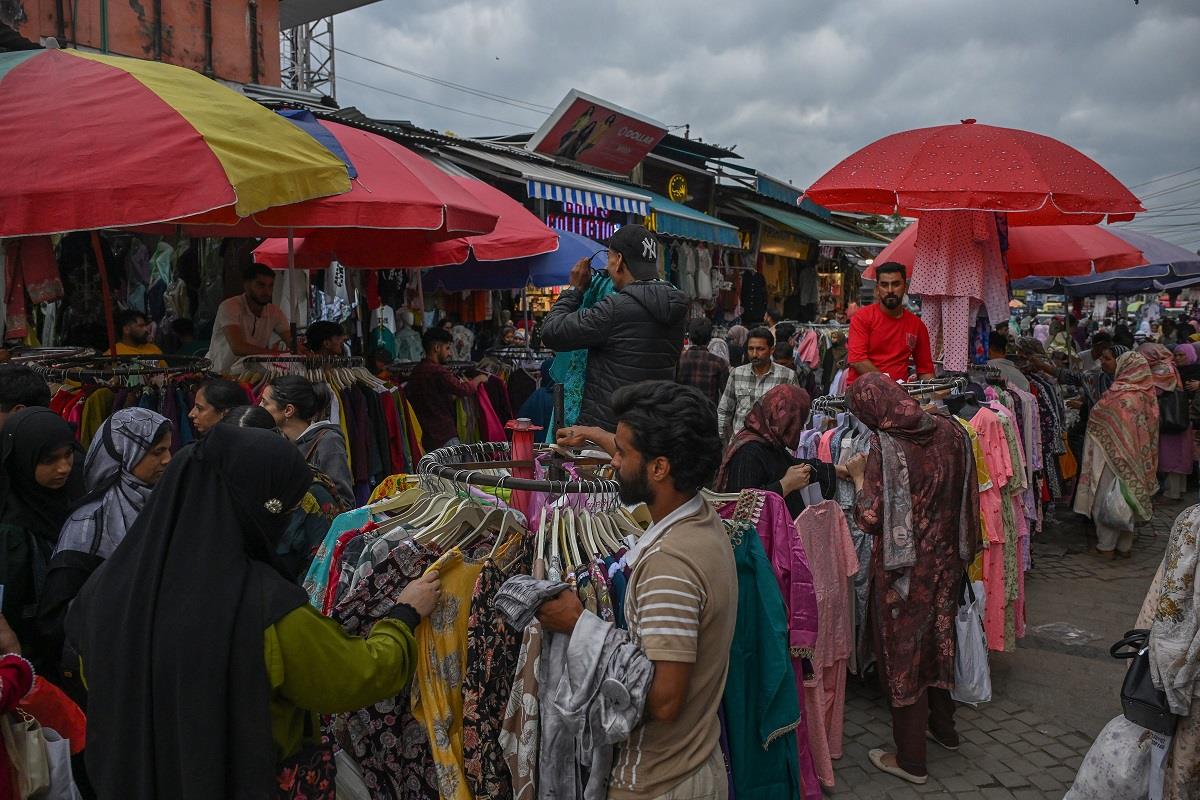
Inflation, West Asia Conflict Dampen Kashmir Eid Markets
(MENAFN- Kashmir Observer) Srinagar- The usual festive rush ahead of Eid-al-Azha is missing across Kashmir this year, with traders and business owners reporting a sharp decline in sales amid rising inflation and growing uncertainty linked to the ongoing conflict in West Asia.
ADVERTISEMENT
Markets in Srinagar and other parts of the Valley, usually packed with shoppers in the days leading up to Eid, are witnessing subdued activity, with customers limiting purchases to essentials and avoiding non-urgent spending.
ADVERTISEMENT
At Lal Chowk, Srinagar's commercial hub, traders said sales have dropped significantly compared to previous years.
“Sales are sluggish, around 60 to 70 per cent down from what it used to be,” said Suhail Shah, vice-president of the Lal Chowk Traders Association.
Shopkeepers across major markets including Gonikhan, Maharaj Gunj, Nowhatta, Baramulla, Pulwama, Shopian and Anantnag said footfall has remained low despite Eid approaching fast.
President of Gonikhan Market, Mir Mohammad Yaseen, said inflation and rising fuel prices had severely affected the purchasing power of people.
“People don't have money for shopping. Whatever shopping is happening is mostly for kids. There is a crowd in the market, but no one shops,” he said.
“We have witnessed 50 per cent fewer shoppers this time compared to previous Eids, and that too in this market, which is considered a hub. Other markets have almost no work,” Yaseen added.
Another trader, Manzoor Ahmad Kar, said the festive spirit had been dampened by economic anxiety and fears linked to the Middle East conflict.
“Markets usually remain abuzz 10 days before Eid, but this year people started coming only in the last three or four days, and even then shopping is very limited because the purchasing power of common people has declined,” he said.
ADVERTISEMENT“The effect of the war is being felt here as well. People have become cautious and started thinking about the future. Whatever shopping is happening is only to bring a smile to children,” he added.
Business groups said inflation had already weakened household budgets, forcing families to prioritise necessities over festive spending.
Qazi Touseef, spokesperson of the Kashmir Economic Alliance, said uncertainty arising from the West Asia conflict had negatively impacted consumer confidence.
“Regional conflicts often create anxiety and economic uncertainty, making consumers more cautious in spending, particularly on non-essential and festive purchases,” he said.
Read Also Eid-al-Azha Being Celebrated Today Across J&K Kashmir Schools To Observe 3-Day Eid HolidayThe slowdown has also affected livestock markets, traditionally among the busiest sectors during Eid-al-Azha.
Livestock dealers from Pulwama, Anantnag, Bandipora and Baramulla said demand for sacrificial animals had fallen sharply this year, with many customers visiting markets but leaving without making purchases.
“There is around a 50 per cent decline in sacrificial animals this Eid,” said Firdous Ahmad Ganie, organiser of the All-Kashmir Mutton Dealers Union.
Dealers said many were struggling to recover transportation and feeding costs due to weak sales.
Bakery businesses, another major attraction during Eid celebrations in Kashmir, are also witnessing a slowdown. Bakers said rising raw material costs had pushed up prices, affecting demand during the festive season.
Despite the muted markets, families across Kashmir continue preparations for Eid-al-Azha, arranging sacrificial offerings and planning gatherings in keeping with tradition.
Eid-al-Azha, also known as the Festival of Sacrifice, will be celebrated in Kashmir on May 27 this year. The festival remains one of the most significant religious occasions in the Valley, marked by prayers, charity and communal sharing.

Legal Disclaimer:
MENAFN provides the
information “as is” without warranty of any kind. We do not accept
any responsibility or liability for the accuracy, content, images,
videos, licenses, completeness, legality, or reliability of the information
contained in this article. If you have any complaints or copyright
issues related to this article, kindly contact the provider above.
Most popular stories
Market Research

More Story






Comments
No comment