




403
Sorry!!
Error! We're sorry, but the page you were looking for doesn't exist.
Seoul's Blind Spot, Beijing's Red Line
(MENAFN- Asia Times)
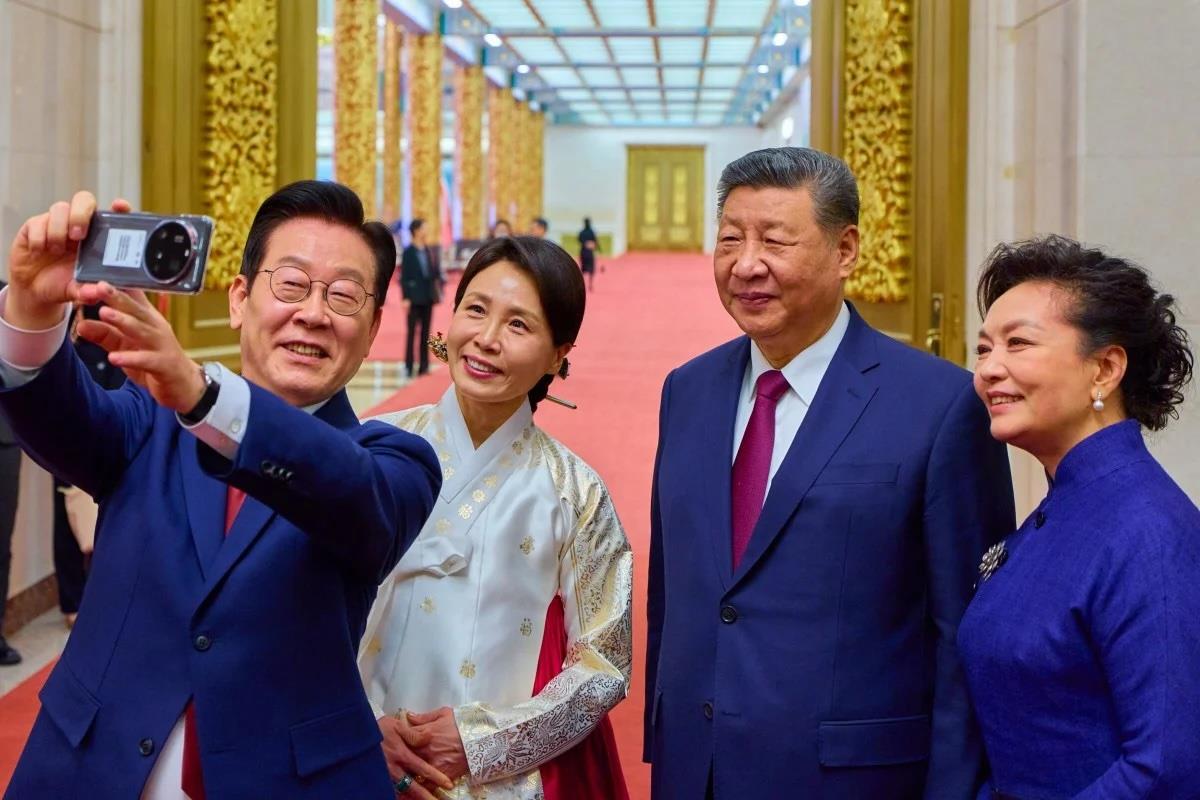
On April 10, 2026, South Korean President Lee Jae-myung sparked controversy by sharing a social media video that compared wartime killings to the Holocaust and alleged that Israeli forces had tortured, and thrown from a rooftop, a Palestinian.
Because the incident had occurred in 2024, Lee's intervention appeared oddly timed, disconnected from immediate Korean national interests.
The contrast became clearer the following month.
On May 20, after Israeli forces detained South Korean activists aboard a Gaza-bound flotilla, Lee reacted within hours.
In a televised cabinet meeting, he publicly questioned the legality of Israel's actions, called for the review of an arrest warrant against Benjamin Netanyahu and declared that“under no circumstances can international humanitarian law be compromised; human dignity must be upheld as an absolute and paramount value.”
Following the address, the presidential office reinforced this stance, declaring that“the safety and sovereignty of our citizens are paramount and are the very reason for the existence of the state and government.”
Seoul's selective humanitarianismThe issue is not that Seoul intervened quickly on behalf of South Korean citizens abroad, but that the principle appears inconsistently applied.
In December last year, Lee was asked by a foreign reporter about South Korean nationals detained in North Korea. His response was strikingly casual: He said he was hearing about the matter for the first time and would need to look into it.
The presidential office confirmed the following day that six South Koreans have been held by Pyongyang since 2013–2016 on espionage and other charges.
To this day, there has been little public indication that the detainees have been released or that Seoul has made their release a sustained priority.
The Chosun Ilbo editorial board captured the contradiction succinctly on May 22, 2026:“One cannot help but ask whether this principle is being applied equally to our citizens held in North Korea.”
South Koreans detained by an ally while participating in political activism received immediate presidential attention in a televised cabinet meeting. South Koreans held in North Korea have not generated even a visible public campaign for their release.

Legal Disclaimer:
MENAFN provides the
information “as is” without warranty of any kind. We do not accept
any responsibility or liability for the accuracy, content, images,
videos, licenses, completeness, legality, or reliability of the information
contained in this article. If you have any complaints or copyright
issues related to this article, kindly contact the provider above.
Most popular stories
Market Research

More Story







Comments
No comment