




403
Sorry!!
Error! We're sorry, but the page you were looking for doesn't exist.
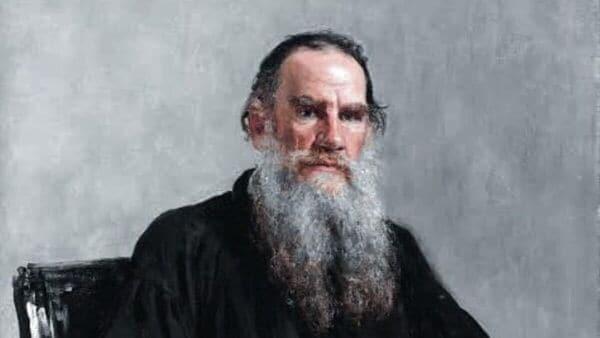
Leo Tolstoy Quote Of The Day: Why Love Is The Root Of Understanding
(MENAFN- Live Mint) Leo Tolstoy, born Lev Nikolayevich Tolstoy in 1828 at Yasnaya Polyana in the Russian Empire, became one of the greatest novelists and moral thinkers in world literature. After an aristocratic childhood, military service and early literary success, he wrote War and Peace and Anna Karenina, both widely regarded among the finest novels ever written. Later in life, Tolstoy became increasingly focused on faith, ethics, nonviolence, education, labour and the moral purpose of human life. Britannica describes him as a master of realistic fiction whose works explored the widest range of human experience.
“All, everything that I understand, I understand only because I love.”
- Leo Tolstoy
The quote appears in War and Peace, Book 12, Chapter 16, as part of Prince Andrei's reflection on love, death and the unity of existence. In the fuller passage, Tolstoy writes:“Love hinders death. Love is life.”
Meaning of the QuoteTolstoy's quote presents love not merely as emotion, but as a way of understanding the world. It suggests that the deepest truths about people, suffering, forgiveness, duty and life cannot be understood through intellect alone. They require sympathy, tenderness and moral attention.
Also Read | Quote of the day by Tim Cook on empathy: 'People will try to convince you...'The line is powerful because it gives love an almost philosophical role. Love is not just what one feels after understanding someone; it is the force that makes understanding possible. A parent understands a child more deeply because of love. A friend sees another person's pain more clearly because of love. A leader, teacher or artist understands human life more honestly when they care enough to look beneath the surface.
The deeper lesson is that love sharpens perception. Indifference makes people simple; love makes them complex. When we love, we stop reducing others to labels, mistakes, status or usefulness. We begin to see their fear, longing, goodness, weakness and dignity.
Why This Quote ResonatesTolstoy's quote feels especially relevant today because modern life often rewards speed, judgement and detachment. People are constantly encouraged to analyse, compare, optimise and react. But the quote reminds us that real understanding requires care, not just information.
It also speaks strongly to relationships. Many conflicts are not caused by a lack of intelligence, but by a lack of loving attention. Couples, families, friends and colleagues may hear the same words, yet fail to understand the need behind them. Love asks a different question: not only“What did they say?” but“What are they trying to carry?”
Also Read | Quote of the Day by Hung Cao: 'Don't come to this country and ask for....'In a workplace, family or society, Tolstoy's idea can change behaviour. A manager who loves the work and cares about people understands burnout differently. A partner who loves sincerely listens beyond irritation. A citizen who loves humanity refuses to treat suffering as someone else's problem. Love becomes a discipline of deeper seeing.
“The vocation of every man and woman is to serve other people.”
- Leo Tolstoy
This line appears in Tolstoy's What Shall We Do?, where he links human purpose with service to others.
Together, both quotes create a complete moral lesson. The first says love is the root of understanding. The second says service is the natural expression of that understanding. In other words, if love helps us see people clearly, service is what we do after seeing them.
This is why Tolstoy's idea is not sentimental. Love is not only feeling deeply; it is acting responsibly. To understand because we love is to become less selfish, less careless and less willing to ignore another person's pain.
How You Can Implement This Listen beyond the words: When someone speaks in anger, sadness or fear, ask what feeling may be hidden beneath the sentence. Pause before judging: Before reducing someone to one mistake or one behaviour, ask what context, pain or pressure you may not yet understand. Show love through attention: Put away distractions during important conversations and give the other person your full presence. Turn care into action: If you understand someone's need, do one concrete thing - help, call, apologise, encourage, protect or simply stay. Practise patience with complexity: Let people be more than one thing: flawed and good, afraid and brave, confused and sincere. Use love as a lens: In conflict, ask:“What would I see differently if I looked at this person with care instead of only irritation?”“There is no greatness where there is not simplicity, goodness, and truth.”
- Leo Tolstoy
This line from War and Peace fits the same moral world as the primary quote. Tolstoy's message is that the highest understanding is never cold or purely intellectual. It is rooted in love, expressed through goodness and tested in the way we treat other people.

Legal Disclaimer:
MENAFN provides the
information “as is” without warranty of any kind. We do not accept
any responsibility or liability for the accuracy, content, images,
videos, licenses, completeness, legality, or reliability of the information
contained in this article. If you have any complaints or copyright
issues related to this article, kindly contact the provider above.
Most popular stories
Market Research

More Story







Comments
No comment