




403
Sorry!!
Error! We're sorry, but the page you were looking for doesn't exist.
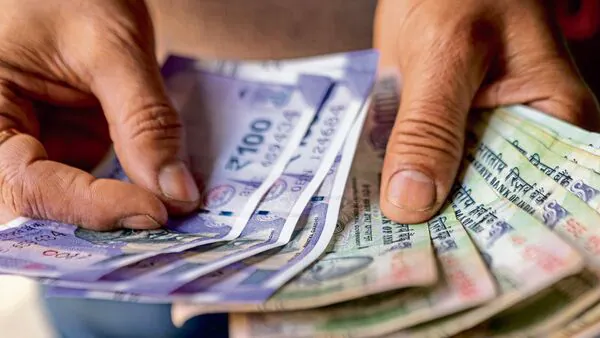
Chhattisgarh Woman Carries 90-Year-Old Mother-In-Law 4 Kilometres In The Heat For ₹500 Pension
(MENAFN- Live Mint) A tribal woman in Chhattisgarh carried her 90-year-old mother-in-law nearly four kilometres on her back through scorching heat to complete a bank formality so the elderly woman could collect a ₹500 monthly pension, according to a Times of India report.
This incident was hauntingly similar to one reported a month ago, wherein an Odisha man carried his sister's skeleton to the bank, to prove that she had indeed died.
The Chhattisgarh Incident: A Four-Kilometre Walk for a ₹500 PensionSukhmaniya, a woman in her late fifties from Jangalpara village in the Mainp t block of Chhattisgarh's Surguja district, had no vehicle, no money for transport and no other option. Her 90-year-old mother-in-law was too frail to walk. The local bank had stopped delivering the elderly woman's monthly pension of ₹500 to their home for four months, citing a pending Know Your Customer, or KYC, verification process.
So Sukhmaniya strapped the elderly woman to her back and walked.
A video of the journey, recorded on 22 May and first reported by the Times of India, showed Sukhmaniya trudging along a road under the summer sun, her mother-in-law secured to her back, making her way to the Central Bank of India branch in Mainpat town.
What Happened at the Bank: KYC Completed, Four Months of Pension ReleasedSukhmaniya told reporters that a Bank Mitra, a local banking correspondent responsible for delivering financial services to those who cannot easily access branches, had previously brought the pension to the elderly woman's home each month. That arrangement had come to a halt four months earlier when the KYC process was flagged as incomplete, leaving the family without the pension since January.
Breaking down in tears outside the branch, Sukhmaniya described the journey and the months of waiting that had preceded it. Once she arrived at the bank on 22 May, the KYC formalities were completed and the outstanding pension of ₹2,000, covering four months of arrears, was released.
Mainpat Janpad Panchayat Chief Executive Officer Khushboo Shastri told reporters that the local bank maintains seven Bank Mitras specifically to deliver pensions at the doorstep of beneficiaries who are unable to visit branches. She confirmed that the elderly woman would receive her pension at home from the following month.
Political Fallout: Singh Deo Calls Out Elected LeadersThe incident drew swift political comment. Former Chhattisgarh Deputy Chief Minister T S Singh Deo said that leaders who visit people's homes seeking votes must also ensure that elderly beneficiaries receive their pensions at their doorstep. His remarks pointed to a wider accountability gap between the promises of electoral politics and the realities of welfare delivery in remote and tribal areas.
The Odisha Incident: A Man Carries His Sister's Remains to a BankThe Chhattisgarh case arrived alongside an equally disturbing account from the neighbouring state of Odisha, where a man named Jitu Munda, 52, from Keonjhar district, carried the exhumed skeletal remains of his deceased sister to a bank branch in an act of desperation after repeated failed attempts to withdraw her savings without being able to produce official proof of her death.
A video of Munda carrying the remains to the bank circulated widely, prompting national outrage. Munda said he had acted out of sheer frustration after his attempts to access the funds through conventional means had come to nothing.
Police confirmed that Munda had exhumed the woman's remains and brought them to the bank. The bank denied having asked him to do so, stating it had only requested legally required documentation and suggesting the incident appeared to stem from a lack of awareness of standard procedures. The bank added that the funds had since been handed over to the legal heirs, and disputed other elements of Munda's account of events.
Official Response in Odisha: Investigation Ordered, Branch Manager Under ScrutinyThe incident drew the attention of state authorities. Odisha Revenue Minister Suresh Pujari said the case was under investigation and that action would be taken against the branch manager over his alleged conduct. The Keonjhar district administration expressed what it described as "deep concern," saying that protecting people's rights and dignity was a priority.
Two Stories, One Fault Line: When Welfare Systems Fail the Most VulnerableTaken together, the two incidents illuminate a structural tension in India's welfare architecture: systems designed to provide financial inclusion and social protection to the country's most vulnerable citizens are, in practice, often inaccessible to the very people they are meant to serve. The elderly, the poor, the geographically isolated and the paperwork-illiterate face procedural barriers that those with resources, mobility and connections rarely encounter.
In Chhattisgarh, a woman carried another human being on her back for four kilometres in the heat of an Indian summer to collect ₹500. In Odisha, a man carried the bones of his dead sister to a bank because he did not know what else to do. In both cases, the system eventually delivered. In both cases, it should never have come to that.
The videos went viral. The pensions were paid. The investigations were ordered. Whether the underlying conditions that produced these moments will change is a question that neither bank statement nor official inquiry has yet answered.

Legal Disclaimer:
MENAFN provides the
information “as is” without warranty of any kind. We do not accept
any responsibility or liability for the accuracy, content, images,
videos, licenses, completeness, legality, or reliability of the information
contained in this article. If you have any complaints or copyright
issues related to this article, kindly contact the provider above.
Most popular stories
Market Research

More Story




Comments
No comment