




403
Sorry!!
Error! We're sorry, but the page you were looking for doesn't exist.
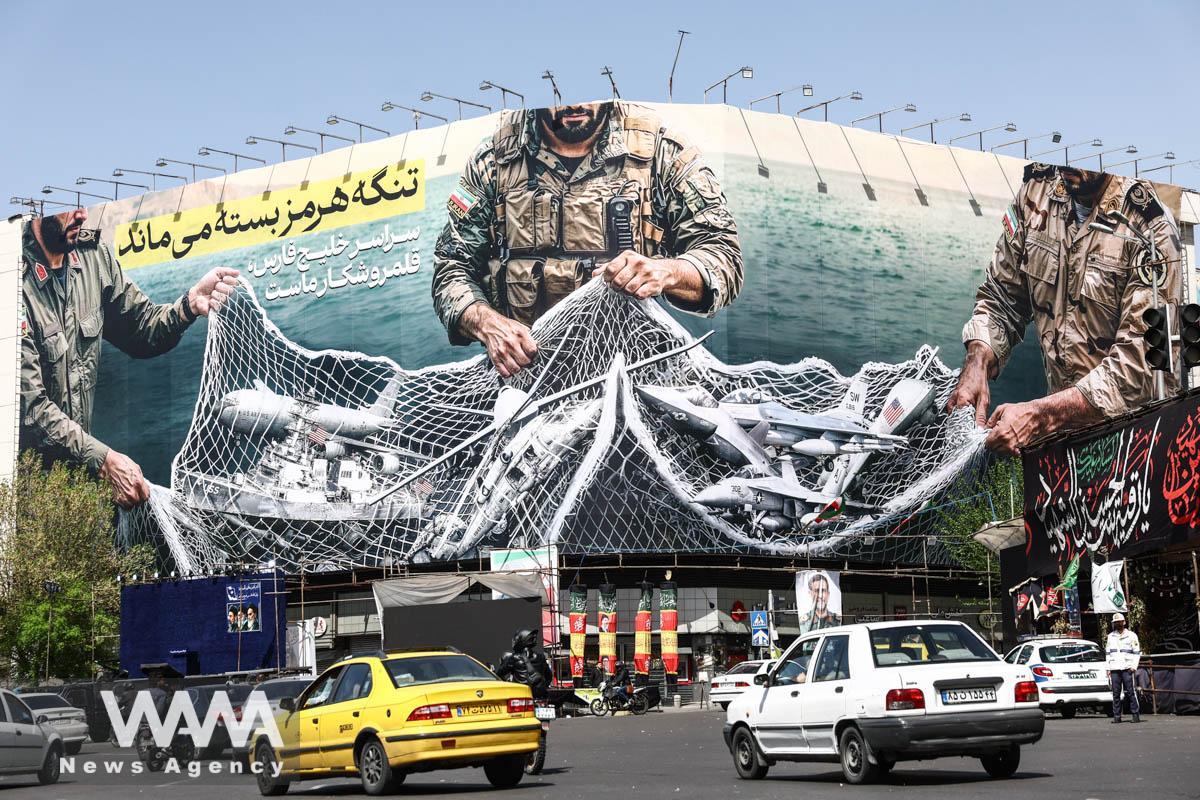
Iran Links Hormuz Control To National Security
(MENAFN- Kashmir Observer) Tehran – Iran said on Tuesday it would continue asserting control over the strategic Strait of Hormuz and warned it would respond forcefully to any attempt to challenge its influence in the waterway, as officials framed the chokepoint as a key lever of the country's economic, political and military power.
ADVERTISEMENT
The remarks, made by senior lawmaker Ebrahim Azizi and echoed by military officials, come amid heightened tensions in the Gulf following recent confrontations involving Iran, the United States and Israel. Tehran has also signalled changes to how maritime traffic through the narrow passage could be managed, including a proposed mechanism involving designated routes and service fees.
ADVERTISEMENT
“The Strait of Hormuz is not merely a maritime transit route; it is a strategic achievement for the Islamic Republic,” Azizi, chairman of the Iranian parliament's National Security and Foreign Policy Committee, said in an interview published on Tuesday.
He described the waterway as a“full-fledged economic, political and military lever” that would remain under the management and control of the Iranian nation.
The Strait of Hormuz, located between Iran and Oman, is one of the world's most critical energy chokepoints, through which a substantial share of global oil and liquefied natural gas supplies pass. Any disruption to shipping in the corridor can send shockwaves through energy markets and global trade.
Azizi warned countries seeking to project influence in the region that Iran would pursue what it described as its legal rights in the waterway with“full strength” and would show“no leniency” in defending its interests.
On Saturday, Azizi said in a post on X that Iran had developed a new mechanism to regulate maritime traffic through designated routes in the Strait of Hormuz and could impose charges for what he called 'specialised services'. He said the move was aimed at safeguarding Iran's sovereignty and ensuring trade security.
Read Also Iran's Geography Powers Trade Shift Beyond Seas Iran Says It Will Unveil Hormuz Toll Mechanism SoonIran has increasingly emphasized the waterway's strategic significance in recent months. Tehran says it tightened controls in the area after U.S. President Donald Trump announced the continuation of a naval blockade targeting Iranian vessels and ports. Iranian officials have also cited regional military tensions as justification for enhanced security measures.
Separately, Iran's Army said it had maintained combat readiness despite a ceasefire period and warned adversaries against launching further attacks.
“If the enemy commits another folly and launches another aggression against our dear Iran, we will open new fronts against them with new tools and methods,” Army spokesman Brigadier General Mohammad Akraminia said during a gathering in Tehran, according to military public relations statements.
ADVERTISEMENTAkraminia said Iran's Armed Forces had treated the ceasefire period as“a time of war” and used it to bolster operational capabilities.
He added that Iranian forces retained full command over the Strait of Hormuz and suggested the security environment around the waterway had fundamentally changed.
Regional tensions involving Iran, Israel and the United States have repeatedly raised concerns over the security of Gulf shipping routes. The Strait of Hormuz has long been viewed by analysts as one of Tehran's most significant strategic pressure points, particularly during periods of confrontation with Western powers and regional rivals.

Legal Disclaimer:
MENAFN provides the
information “as is” without warranty of any kind. We do not accept
any responsibility or liability for the accuracy, content, images,
videos, licenses, completeness, legality, or reliability of the information
contained in this article. If you have any complaints or copyright
issues related to this article, kindly contact the provider above.
Most popular stories
Market Research

More Story







Comments
No comment