




403
Sorry!!
Error! We're sorry, but the page you were looking for doesn't exist.
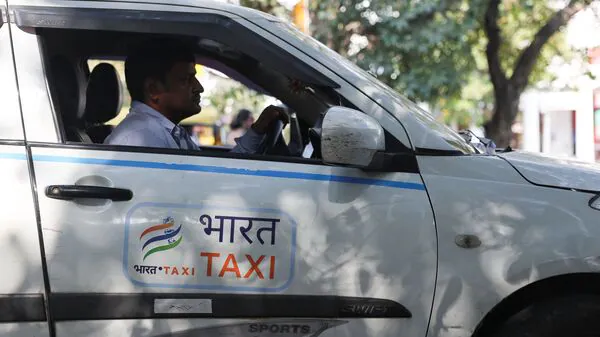
Haryana Phases Out Petrol, Diesel Cabs For Aggregators: What This Means For NCR's AQI After PM Modi's Austerity Push
(MENAFN- Live Mint) The Haryana Cabinet on Monday approved new aggregator licensing rules mandating that all vehicles added to the fleets of cab aggregators, delivery service providers and e-commerce companies in the region be powered by CNG, electric, battery-operated or other cleaner fuels.
The rules also state that only CNG and electric three-wheeler auto-rickshaws can be added to existing fleets in the region.
At a meeting chaired by Chief Minister Nayab Singh Saini on Monday, the Haryana Cabinet approved rules for granting aggregator licences under the Haryana Motor Vehicles Rules, 1993, aligning the framework with guidelines issued by the Ministry of Road Transport and Highways and directives from the Commission for Air Quality Management (CAQM).
As per PTI, it stated,“Under the amended rules, all vehicles inducted in the fleet of aggregators, delivery service providers and e-commerce entities in NCR areas from January 1, 2026 onwards will mandatorily be CNG, Electric Vehicles (EV), Battery Operated Vehicles (BOV) or based on any other cleaner fuel....”
What this means for NCR's AQI?In June last year, the CAQM directed that, from January 1, 2026, cab aggregators, delivery firms and e-commerce companies operating in the region would no longer be allowed to add new petrol- or diesel-powered vehicles to their fleets.
According to an official statement, the move is aimed at accelerating clean mobility, reducing emissions from vehicles and improving air quality in the region.
Also Read | Petrol, Diesel Price Today LIVE Updates: Fuel shoots 90 paise/litre; second hikeThis comes after Prime Minister Narendra Modi launching a national austerity push to combat rising crude oil prices and foreign exchange outflows caused by the West Asia conflict The government is urging citizens to conserve fuel, avoid non-essential gold purchases for a year, and forgo foreign vacations and destination weddings.
Haryana's cabinet move is expected to reduce the increase in daily fuel consumption if more petrol or diesel vehicles are not added to the fleet, as per PM Modi's call, boosting India's self reliance.
Haryana's new cabinet moveThe new rules make it mandatory for aggregators and delivery service providers to obtain licences and lay down requirements covering driver and vehicle onboarding, passenger safety, grievance redressal, training programmes, insurance, cybersecurity for apps and fare regulation.
Also Read | Rising fuel and food prices: Does this justify a higher DA hike in July 2026?Under the framework, operators must provide at least ₹5 lakh in insurance coverage for passengers, health insurance of no less than ₹5 lakh for drivers and a minimum term insurance cover of ₹10 lakh for all onboarded drivers.
Applicable vehicles will have to be equipped with vehicle tracking devices, panic buttons, first-aid kits and fire extinguishers. Aggregators must also set up round-the-clock control rooms and call centres to assist passengers and handle complaints.
Also Read | Back to WFH? India Inc responds to Modi's fuel-saving appealTo improve transparency and accountability, vehicle and driver details will be digitally authenticated through the VAHAN and SARATHI portals. Companies will reportedly also be required to maintain comprehensive digital records of all onboarded drivers and vehicles.
The Cabinet was told that aggregators, delivery service providers and e-commerce companies will complete their registration and licensing through the dedicated portal, gov.
The framework also contains provisions related to driver welfare, fare-sharing arrangements, safety norms, the inclusion of vehicles accessible to Divyangjan and a phased shift toward electric mobility.
Separately, ahead of the meeting, Haryana Transport Minister Anil Vij mentioned a proposal had been submitted to the government seeking a 100% tax exemption for electric vehicles in Haryana.
"The proposal has been sent to provide 100 per cent tax exemption on electric vehicles in Haryana on the lines of Chandigarh and Delhi, with the objective of encouraging people to purchase electric vehicles," PTI quoted Vij as saying.
At present, Haryana provides a 20% concession on registration fees for electric vehicles. Vij said that granting tax relief on EVs would significantly boost public adoption of electric vehicles.
He also said the state government plans to procure 500 electric buses.

Legal Disclaimer:
MENAFN provides the
information “as is” without warranty of any kind. We do not accept
any responsibility or liability for the accuracy, content, images,
videos, licenses, completeness, legality, or reliability of the information
contained in this article. If you have any complaints or copyright
issues related to this article, kindly contact the provider above.
Most popular stories
Market Research

More Story



Comments
No comment