




403
Sorry!!
Error! We're sorry, but the page you were looking for doesn't exist.
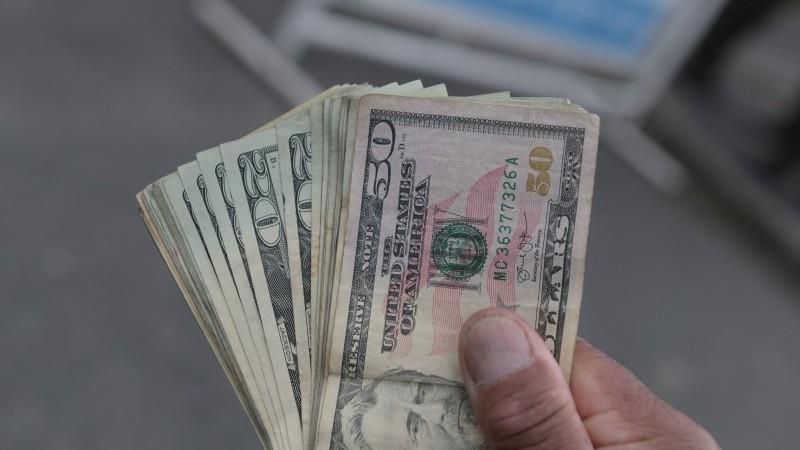
FX Daily: Recovery In Bonds And EUR/USD Looking Fragile
(MENAFN- ING)
We have published our monthly update of FX views and forecasts – FX Talking: Weatherproof markets
USD: Waiting for the next Iran headlineWe think risks remain on the upside for the dollar in this volatile bond environment. Unlike in 2025, the ongoing bear steepening of the US Treasury curve is dollar-positive, as it is being driven by rising inflation fears rather than fiscal concerns.
With the US data calendar thinning out, the next directional cue for bonds and FX is likely to come from the Middle East. President Trump said yesterday that he had called off a strike on Iran after appeals from Gulf countries, pointing to“serious negotiations”. Yet press reports continue to highlight a wide gap between the US and Iran on peace and nuclear terms. If tangible progress fails to materialise in the coming days, DXY could push through 99.50 even without a renewed military escalation.
Against this backdrop, the early-week rebound in pro-cyclical G10 and EM currencies versus the USD looks vulnerable, and hinges on some positive Middle East news as much as good earnings by Nvidia tomorrow.
Meanwhile, the yen has struggled to find any grip even during a softer USD session, signalling a bias to test the new FX intervention thresholds of the Japanese authorities.
The key test sits at 160.0. Failing to intervene then should pave the way for a retesting of 160.60-.70, where the Bank of Japan stepped in on 30 April. Anyway, markets are clearly embedding the diminishing effectiveness of this intervention campaign, with one-month implied volatility still trading well below realised.
Francesco Pesole
EUR: Return to 1.160 quite possibleThe ongoing G7 summit in Paris is unlikely to deliver meaningful outcomes from a market perspective. While the current crisis may accelerate efforts to extend Europe's independence from the military sphere, as seen last year, to resources and supply chains, it remains difficult for markets to play the long game at this stage. What should still limit excessive downside pressure on EUR/USD is the ECB having little choice but to stay hawkish to avoid losing control of the long end of the curve.
While the 73bp of tightening priced into the 2026 OIS curve looks excessive, we would not expect the ECB to push back against hawkish expectations until a clear path towards a reopening of Hormuz emerges.
Based on our USD view discussed above, we see greater risks of EUR/USD retesting 1.160 than returning to 1.170 this week.
Francesco Pesole
CAD: Inflation bounce shouldn't scare the BoCToday's release of Canada's April CPI should show a sharp rise in headline inflation, driven by food and gasoline prices. The consensus is looking for a 3.1% YoY print, while core measures (median and trim) should remain anchored around 2.2-2.3%.
In our view, this implies limited pressure on the Bank of Canada to hike rates for now, especially following the 0.2pp increase in the unemployment rate in April. The BoC has already sounded cautious on tightening prospects, keeping a firm focus on the risks associated with upcoming USMCA renegotiations. Against this backdrop, the 44bp priced into the CAD OIS curve by December looks too hawkish, reflecting broader global front-end repricing rather than domestic dynamics, in our view.
We remain cautious on the downside potential for USD/CAD, given potential US-Canada trade tensions this summer and CAD's low attractiveness in any search for carry once sentiment re-stabilises. Our 1.34 year-end call for USD/CAD remains primarily a mirror of expected USD weakness rather than CAD outperformance versus peers.
Francesco Pesole
CEE: Divergent stories impose risks on our baselinesMixed global headlines and shifting sentiment caught CEE off guard yesterday, leading to divergent market reactions. FX saw some tiny gains with the forint outperforming regional peers. However, as usual since the start of the US-Iran conflict, more attention was given to the rates market which opened with a sharp sell-off. We saw some adjustments in pricing during the day and the close ended very mixed.
CZK rates underperformed the region and the front of the curve tested new highs. The CNB governor reiterated in an interview that he intends to remain hawkish and hike rates if core inflation goes up. The market has increased rate hike bets to 106bp in the 12-month horizon, with the first rate hike fully priced in August.
In Poland, core inflation rose from 2.7% to 3.0% yesterday, a tenth above expectations, but the market probably had expectations here already, and we only saw a slight move of the curve up by 2-3bp. For the 12-month horizon, the market has settled at 103bp of tightening. In Hungary, on the other hand, PM Magyar's words about fiscal consolidation and unlocking EU funds helped HUF rates return from the initial sell-off to gains and the curve closed even lower with 51bp of easing for the NBH priced in.
Although for our economists the baseline is no change for all central banks in the region, the story here shows significant divergence within the region and risks to these views. From a strategic point of view, we see the NBP as the most likely to make an imminent rate hike, while the CNB can wait longer given a more favourable inflation profile. On the other hand, the NBH could cut rates this year if the FX rally continues and becomes a problem for the economy, with the REER already approaching historical highs.
Frantisek Taborsky

Legal Disclaimer:
MENAFN provides the
information “as is” without warranty of any kind. We do not accept
any responsibility or liability for the accuracy, content, images,
videos, licenses, completeness, legality, or reliability of the information
contained in this article. If you have any complaints or copyright
issues related to this article, kindly contact the provider above.
Most popular stories
Market Research

More Story





Comments
No comment