







403
Sorry!!
Error! We're sorry, but the page you were looking for doesn't exist.
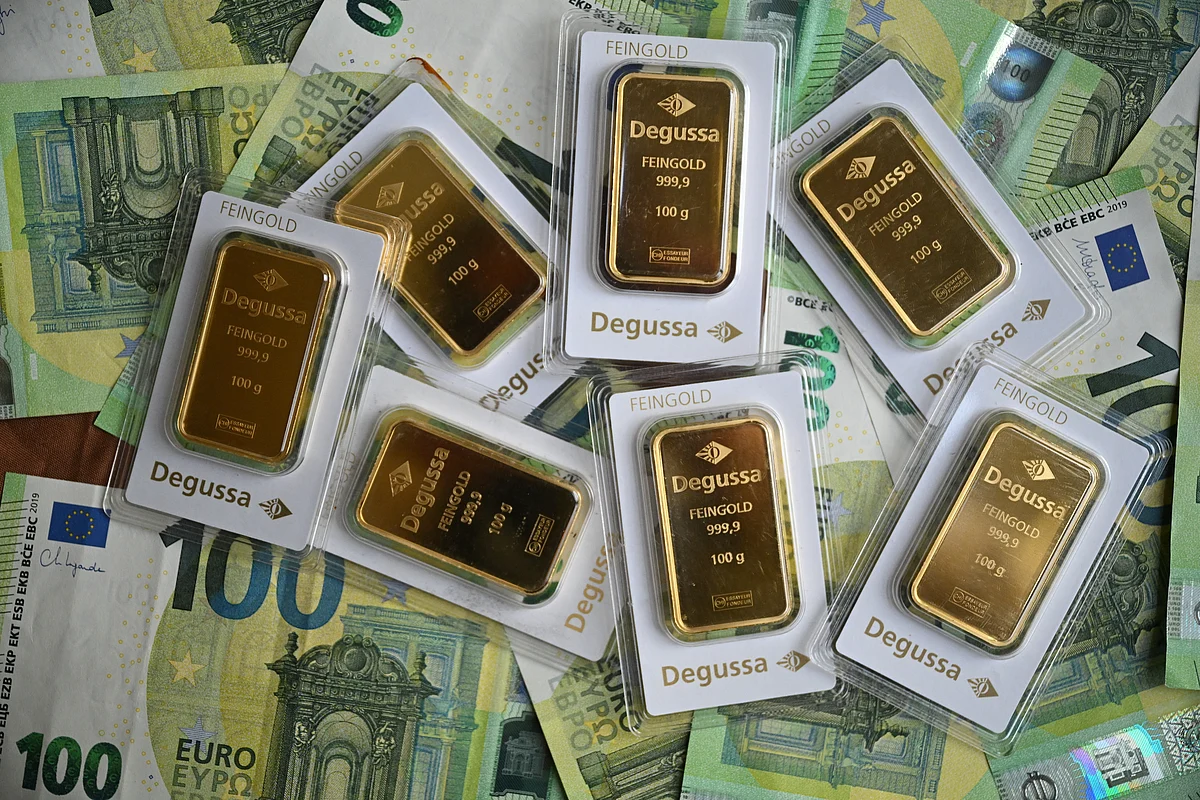
Gold's Bull Run Pauses, But $5,000 Remains In Sight
(MENAFN- Khaleej Times) Gold's spectacular rally has entered a volatile phase in 2026, but leading banks, commodities strategists and market analysts remain overwhelmingly bullish on the precious metal's long-term trajectory, arguing that the structural forces driving the rally are still firmly intact.
After surging to record highs earlier this year, spot gold has retreated sharply in recent weeks as rising oil prices, stubborn inflation, higher US Treasury yields and a stronger dollar weighed on investor sentiment.
Recommended For YouGold briefly climbed above $5,500 an ounce in January before slipping below the key $4,600 level this month. Spot prices were trading near $4,543 an ounce heading into the weekend after a broad sell-off triggered by hotter US inflation data and rising bond yields.
Analysts say the correction reflects short-term macroeconomic pressures rather than a reversal of the broader bull market.
A Reuters poll of 31 metals analysts showed a median gold forecast of $4,916 an ounce for 2026, with many expecting the rally to resume once geopolitical tensions ease.
The most bullish institutional forecasts are coming from major Wall Street banks.
JPMorgan Chase expects gold to reach between $6,000 and $6,300 an ounce by the end of 2026, driven by sustained central bank accumulation and reserve diversification away from the US dollar.
“We remain firmly bullish on gold prices through 2026,” JPMorgan said in a recent commodities outlook, adding that the“structural diversification trend into gold still has further room to run.”
Goldman Sachs has maintained a year-end 2026 target of $5,400 an ounce despite the recent correction, arguing that central bank buying and geopolitical instability continue to underpin the market.
Goldman analysts Lina Thomas and Daan Struyven said geopolitical developments could“accelerate diversification into gold and weigh on perceptions of Western fiscal sustainability.”
The World Gold Council also remains constructive on bullion. In its latest outlook, the council said geopolitical risks, inflation concerns and central bank demand would continue supporting investment flows into gold through 2026.
According to the WGC, global gold demand rose two per cent year-on-year to 1,231 tonnes in the first quarter of 2026, while total demand value surged 74 per cent to a record $193 billion. Central banks purchased 244 tonnes during the quarter, up 17 per cent from the previous quarter.
Analysts say the current weakness in gold is largely tied to the inflationary fallout from the Iran conflict.
Higher oil prices have strengthened the dollar and pushed bond yields sharply higher, reducing the appeal of non-yielding assets such as gold. The 10-year US Treasury yield recently climbed above 4.5 per cent as markets scaled back expectations for Federal Reserve rate cuts.
Ewa Manthey, commodities strategist at ING, said the Iran conflict had“put the brakes on the gold rally”, but stressed that the long-term structural supports remained firmly in place.
“Central bank demand remains supportive for gold over the medium term,” she said, pointing to continued reserve accumulation by China and other emerging market economies.
The People's Bank of China added another eight tonnes of gold in April alone, extending its long-running reserve diversification strategy.
Ross Norman, an independent metals analyst quoted in the Reuters survey, said geopolitical fragmentation and concerns over dollar assets were strengthening the case for bullion.
“The motivation for central banks to acquire gold is arguably stronger than ever,” Norman said.“Events in the Middle East have amplified a sense of vulnerability to dollar assets.”
Analysts also point to de-dollarisation, rising sovereign debt and fiscal concerns as major long-term catalysts.
The World Gold Council said 95 per cent of central banks surveyed expect global gold reserves to increase over the next 12 months, while none anticipate reducing holdings.
However, near-term volatility is expected to remain elevated.
Marc Chandler, managing director at Bannockburn Global Forex, warned that higher yields and a stronger dollar were continuing to pressure bullion prices.
“Surging interest rates and an appreciating greenback weighed on gold prices,” Chandler said, adding that a break below the $4,500 support level could trigger further selling pressure.
Still, many investors see any pullback as a buying opportunity rather than the end of the rally.
Daniel Pavilonis, senior commodities broker at RJO Futures, said gold's recent weakness reflected profit-taking and market jitters rather than a collapse in fundamentals.
“Ultimately, I do think gold is going to grind higher,” he said.“The market is just jittery right now.”
Analysts say the metal now sits at the centre of a powerful global shift driven by geopolitical uncertainty, reserve diversification, inflation risks and weakening confidence in fiat currencies.
The rally may have slowed, but few expect it to end anytime soon.

Legal Disclaimer:
MENAFN provides the
information “as is” without warranty of any kind. We do not accept
any responsibility or liability for the accuracy, content, images,
videos, licenses, completeness, legality, or reliability of the information
contained in this article. If you have any complaints or copyright
issues related to this article, kindly contact the provider above.
Most popular stories
Market Research

More Story








Comments
No comment