





403
Sorry!!
Error! We're sorry, but the page you were looking for doesn't exist.
Branded Dreams, Borrowed Pressure: How Youth Are Losing Themselves In The Race For Status
(MENAFN- Tribal News Network) By Amna Salarzai
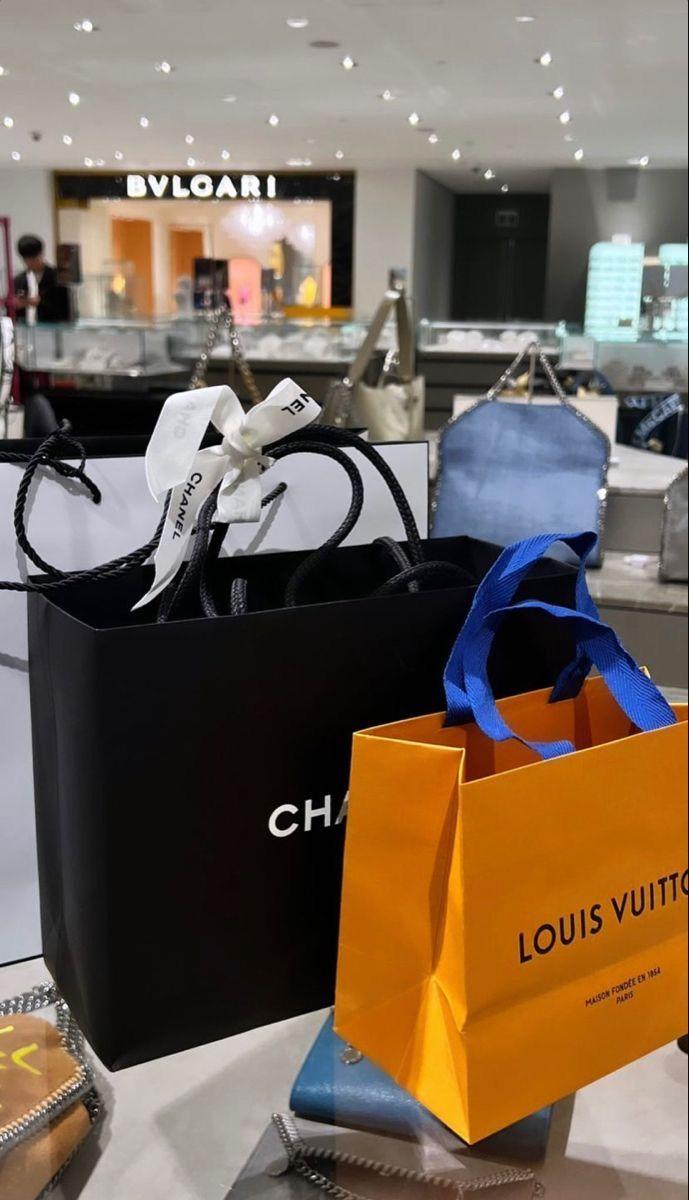
In a developing country like Pakistan, the growing trend of branded products among young people has become increasingly common. You have probably often heard youngsters say,“This item is from a certain brand; I bought it at a very high price.” Apparently, it may seem like an ordinary sentence, but in reality, it reflects the changing mindset and priorities of our society.
The situation has now reached a point where a person's personality, standard of living, and social status are often judged by the brand of their clothes, mobile phone, shoes, or watch. This trend is increasing not only financial pressure but also mental stress among the younger generation.
First of all, it is important to understand what a brand actually is.
A brand refers to a product or service that is produced and sold under a specific company name, logo, or slogan. The purpose of branding is not only to sell products but also to create a unique identity and trust in the minds of people.
According to Guinness World Records, the world's first officially recognized brand was introduced in Britain in 1885. It was a syrup used in baking. Over time, brands began to leave a deep impact on the global economy, trade, and people's way of thinking.
Today, young people often prefer branded items over ordinary products. One major reason is that brands are no longer just a necessity; they have become symbols of fashion and social status.
Youngsters frequently buy branded clothes, shoes, watches, and mobile phones not out of need, but to impress others.
In colleges and universities, students are often caught in an atmosphere of competition where outward appearance is valued more than education, talent, and character.
Social media has made this trend even more dangerous. Platforms such as Instagram, TikTok, and others present luxurious lifestyles, expensive brands, and comforts in such an attractive way that ordinary young people begin to feel inferior.
Also Read: Children in a Time-Scarce World: The Forgotten Need for Presence and Attention
Many youngsters believe that expensive products must automatically be of better quality, while cheaper products are considered inferior. However, this is not always true. Many local products are of excellent quality but are ignored simply because they do not carry the name of a famous national or international brand.
This mindset is gradually dividing society into two classes: those who can afford expensive brands and those who suffer from feelings of inferiority because they cannot.
As a result, some young people begin purchasing fake or copied products when they cannot afford the original brands, just to maintain a false sense of status in front of others.
The abundance of counterfeit branded products in markets is also a result of this mentality. Sadly, a person's true worth is now increasingly associated with the brands they use rather than their morals, character, and abilities.
The psychological effects of this trend are also extremely dangerous. Today, mental stress, anxiety, and frustration among youth are rising rapidly. Constantly trying to look like others, the desire to buy expensive items, and the race to display an artificial lifestyle on social media gradually hollow a person from within.
The happiness of buying a branded product lasts only a few days; soon after, the desire for a newer model or a new trend emerges. In this way, people are never truly satisfied because their happiness becomes attached to material things, whereas real peace lies in contentment and self-confidence.
Mobile phones are a clear example of this issue. Every few months, companies introduce new models with only minor changes, and young people begin chasing them. Many youngsters wish to own expensive phones merely to impress others, which increases financial pressure on parents and promotes unnecessary spending.
It would not be wrong to say that buying branded products is not a bad thing in itself, because many brands do provide quality products. The problem begins when showing off replaces necessity, and people start spending beyond their means.
The truth is that a person's real identity lies in their character and thinking, not in the brand of their clothes, shoes, or mobile phone. Brands can be a part of life, but they should not become the purpose of life.
Note: This article reflects the personal opinion of the writer, and the organization is not necessarily required to agree with it.

Legal Disclaimer:
MENAFN provides the
information “as is” without warranty of any kind. We do not accept
any responsibility or liability for the accuracy, content, images,
videos, licenses, completeness, legality, or reliability of the information
contained in this article. If you have any complaints or copyright
issues related to this article, kindly contact the provider above.
Most popular stories
Market Research

More Story







Comments
No comment