





403
Sorry!!
Error! We're sorry, but the page you were looking for doesn't exist.
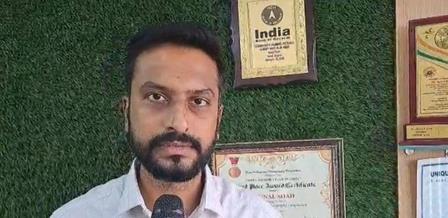
PM Modi's Appeal: Hybrid Work, Shared Transport Gain Ground In Surat IT Sector
(MENAFN- IANS) Surat, May 14 (IANS) Prime Minister Narendra Modi's appeal for the more efficient use of national resources, including reducing fuel consumption and encouraging shared mobility and flexible working arrangements where possible, has been reflected in operational changes within parts of India's IT sector.
The appeal, aimed at promoting fuel conservation and reducing unnecessary use of private transport through measures such as carpooling, public transport adoption, and work-from-home arrangements where feasible, has been cited by employees and business leaders as influencing workplace decisions and commuting behaviour.
Kunal Shah, Chief Executive Officer and Director of BizInsights IT Solutions, said the company had adjusted its working model in response to the appeal.
He stated that approximately 70 per cent of staff are now working remotely, while office attendance was being limited to employees involved in critical assignments or nearing project deadlines.“The appeal that PM Modi has made, we are following it quite well and are continuing to follow it,” he said.
He narrated an example: in a workforce of over 20 employees, around 12 to 13 are currently working from home, with coordination maintained through online meetings, telephone communication, and digital platforms.
According to him, this arrangement ensures "continuity of work while supporting reduced travel requirements".
On broader business and economic conditions, Shah said companies should adopt a cooperative approach rather than a competitive one in isolation.
"Businesses should consider ways to support individuals who are unemployed through freelancing or smaller assignments, as it is a way of maintaining economic activity during challenging circumstances," he said.
He also noted that hybrid and remote working models, previously widely used during the Covid-19 pandemic, were being reintroduced in a more targeted form.
He emphasised that such practices could reduce fuel consumption and encourage greater use of shared or public transport.
“Fuel will be saved, and people will use public transport... dependency on external fuel should be reduced as much as possible,” he said, adding that employees are also encouraged to share travel where practical.
Employees described similar changes in commuting habits.
Dhruvi, an IT professional, said her organisation has adopted partial work-from-home arrangements.
She added that when office attendance is required, she often travels with family members rather than driving alone.
“Earlier we used to come by personal vehicle, but now I come with my father or brother, whoever is available, so they drop me,” she said.
She said shared travel had become more common within households.“Those who used to go by personal vehicle will now go together in one vehicle,” she said, adding that this helps reduce fuel use.
Kartik, an intern who travels approximately 15 to 20 kilometres to work, said he regularly carpools with a friend and occasionally uses private cabs.
He also noted an increase in the use of public transport for non-work travel.“We do carpooling,” he said, adding that public transport use had resulted in cost savings and reduced resource consumption.
He said the approach was beneficial both economically and environmentally.“The money in our hands is being saved, and we are not consuming too many resources. So in both ways, it's a win-win,” he said.
The developments, as described by those employees, indicate a continued shift towards hybrid working models and shared mobility practices within segments of the IT workforce, aligning with broader calls for fuel efficiency and more sustainable use of transport resources.

Legal Disclaimer:
MENAFN provides the
information “as is” without warranty of any kind. We do not accept
any responsibility or liability for the accuracy, content, images,
videos, licenses, completeness, legality, or reliability of the information
contained in this article. If you have any complaints or copyright
issues related to this article, kindly contact the provider above.
Most popular stories
Market Research

More Story






Comments
No comment