




403
Sorry!!
Error! We're sorry, but the page you were looking for doesn't exist.
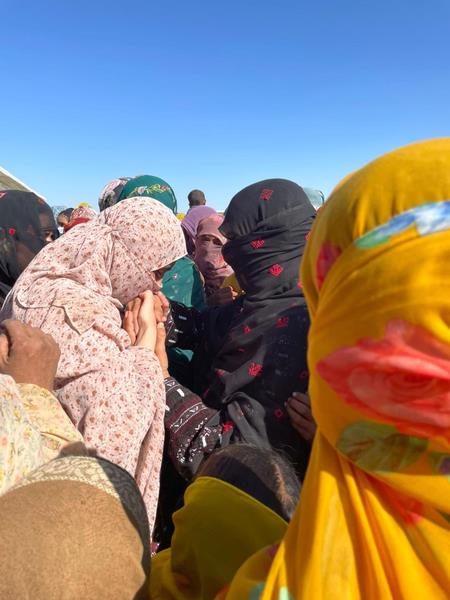
Pakistan: Women Activists Participate In 'Aurat March' Despite Restrictions, Tighter Scrutiny
(MENAFN- IANS) Karachi, May 13 (IANS) Despite restrictions imposed by Pakistani authorities on Aurat March in Karachi, hundreds gathered at Seaview to raise issues that continue to impact countless women across the country. Over the years, Aurat March has become one of Pakistan's most visible platforms for discussion on women's rights and social justice, a report has stated.
"Among the most poignant moments was the tribute to Shanti, the 19-year-old bride from Lyari whose tragic death after alleged sexual violence reignited difficult but necessary conversations around marital abuse and the silence that often surrounds it. The significance of such gatherings lies in the space they create for conversations society is often reluctant to confront openly," an editorial in leading Pakistani daily The Express Tribune stated.
Pakistan's constitution guarantees freedom of speech and the right to peacefully assemble at a place. These rights are not reserved for one class and belong to each citizen, irrespective of whether their opinions are popular or controversial. The role of Pakistani authorities is not to support every message made at a public gathering but to ensure that people can exercise their constitutional freedoms safely and responsibly, The Express Tribune stated.
On May 6, the Human Rights Commission of Pakistan (HRCP) condemned the detention of Aurat March organisers and volunteers outside the Karachi Press Club, where they had gathered to hold a press conference.
The rights body stated that preventing people from holding press conference showcases an "increasingly repressive approach to governance", where dissent is considered a threat instead of a democratic necessity, leading Pakistani news network Geo News reported.
The HRCP's statement came after police briefly arrested several Aurat March leaders, including activist and artist artist Sheema Kermani, outside the Karachi Press Club.
"HRCP strongly condemns the arrest of several organisers and volunteers of Aurat March from outside the Karachi Press Club, where they were scheduled to address a press conference. This incident is not isolated overreach but rather part of a broader and deeply troubling pattern: the systematic denial of public space to citizens seeking to articulate their rights," HRCP posted on X.
"The rights to peaceful assembly and freedom of expression are constitutionally guaranteed. Preventing citizens, particularly women and marginalised groups, from even convening a press conference reflects an increasingly repressive approach to governance, where dissent is treated as a threat rather than a democratic necessity," it added.

Legal Disclaimer:
MENAFN provides the
information “as is” without warranty of any kind. We do not accept
any responsibility or liability for the accuracy, content, images,
videos, licenses, completeness, legality, or reliability of the information
contained in this article. If you have any complaints or copyright
issues related to this article, kindly contact the provider above.
Most popular stories
Market Research

More Story



Comments
No comment