



403
Sorry!!
Error! We're sorry, but the page you were looking for doesn't exist.
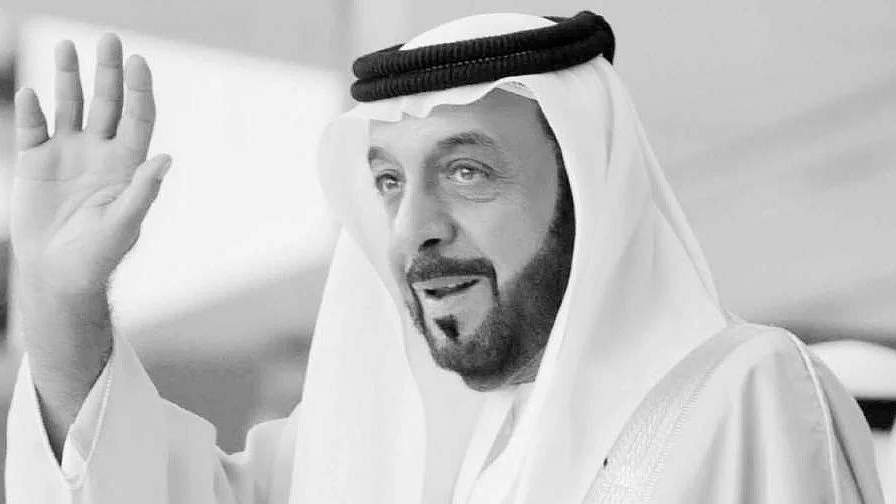
Four Years Later, The UAE Still Reflects Sheikh Khalifa's Vision And Values
(MENAFN- Khaleej Times) From infrastructure and humanitarian work to innovation and social welfare, his vision continues to influence every aspect of life in the UAE
- By: Arwa Almazrouei
Four years after the passing of Sheikh Khalifa bin Zayed Al Nahyan, the UAE continues to honour a leader whose life journey from the oases of Al Ain to the presidency of a rapidly rising nation defined an era of stability, generosity, and transformative growth.
Born in 1948 at Al Muwaiji Fort in Al Ain, Sheikh Khalifa grew up immersed in the traditions and values of a society rooted in unity and resilience. As the eldest son of the Founding Father, Sheikh Zayed bin Sultan Al Nahyan, he spent his early years accompanying his father across the region, witnessing firsthand the efforts to improve the lives of people and bring communities together.
Recommended For YouThose formative experiences, shaped by close contact with citizens in daily majlis gatherings, instilled in him a deep sense of responsibility, humility, and commitment to public service.
Stay up to date with the latest news. Follow KT on WhatsApp Channels
Educated at the Al Nahyan School, established by Sheikh Zayed, Sheikh Khalifa's upbringing combined formal learning with practical exposure to leadership.
He observed his father's dedication to ensuring stability, safeguarding unity, and promoting welfare, while also drawing influence from respected figures within his family, including his maternal grandfather Sheikh Mohammed bin Khalifa, and his grandmother, Sheikha Salama, both known for their wisdom and strong character. Together, these influences shaped a leader who believed that true leadership lies in serving people and prioritising their wellbeing.
When Sheikh Khalifa assumed the presidency in 2004, he carried forward his father's vision while steering the UAE into a new phase of development. His leadership was marked by a clear focus on balanced and sustainable growth, ensuring that progress reached every corner of the country.
He oversaw major infrastructure advancements, allocating significant resources to develop roads, ports, hospitals, and housing projects, particularly in the northern emirates, helping bridge development gaps and improve the quality of life for thousands of families.
Under his direction, the UAE strengthened its economic foundations by expanding beyond oil, supporting sectors such as industry, aviation, tourism, and finance.
This diversification positioned the country as a global hub for business and innovation, while long-term strategies in science, technology, and education laid the groundwork for a knowledge-based economy. His decision to introduce a hybrid system of election and appointment to the Federal National Council marked an important step in enhancing public participation in governance.
Sheikh Khalifa's legacy is perhaps most deeply felt in the lives of citizens. His directives led to the construction and renovation of thousands of homes, the establishment of social support programs, and the creation of initiatives to empower Emiratis in the workforce.
Programs to address citizens' financial burdens, including the establishment of a fund to support those with outstanding debts, reflected his commitment to social stability and dignity.
Beyond the UAE's borders, Sheikh Khalifa's humanitarian vision left a profound global impact. Through the Khalifa bin Zayed Al Nahyan Foundation, aid reached more than 70 countries, supporting communities affected by disasters, poverty, and conflict.
From emergency relief following the 2004 Indian Ocean tsunami to assistance after the 2005 earthquake in Pakistan, the UAE, under his leadership, became synonymous with compassion and rapid response to crises.
His tenure also reflected a forward-looking vision that embraced innovation and sustainability. Initiatives supporting science, technology and innovation were backed by substantial investment, while national campaigns such as the Year of Innovation, Year of Reading, Year of Giving and Year of Tolerance reinforced values that continue to define the UAE's identity today.
Projects like Masdar City highlighted an early commitment to clean energy and environmental responsibility.
Despite overseeing a period of rapid transformation, Sheikh Khalifa remained known for his understated leadership style, characterised by calm decision-making and a close connection to the people. His regular engagement with citizens and his understanding of their needs ensured that development was not only ambitious but inclusive.
Today, the UAE continues its journey under the leadership of Sheikh Mohamed bin Zayed Al Nahyan, building on the strong foundations laid during Sheikh Khalifa's era. From modern infrastructure and thriving cities to a global reputation for humanitarian leadership, the imprint of his vision remains visible across every aspect of national life.
ALSO READ- From a historic vote to shaping UAE's future: Sheikh Mohamed's 4 years as President Sheikh Saif's viral speech: 6 things he said that will make you proud to be from UAE

Legal Disclaimer:
MENAFN provides the
information “as is” without warranty of any kind. We do not accept
any responsibility or liability for the accuracy, content, images,
videos, licenses, completeness, legality, or reliability of the information
contained in this article. If you have any complaints or copyright
issues related to this article, kindly contact the provider above.
Most popular stories
Market Research

More Story


Comments
No comment