




403
Sorry!!
Error! We're sorry, but the page you were looking for doesn't exist.
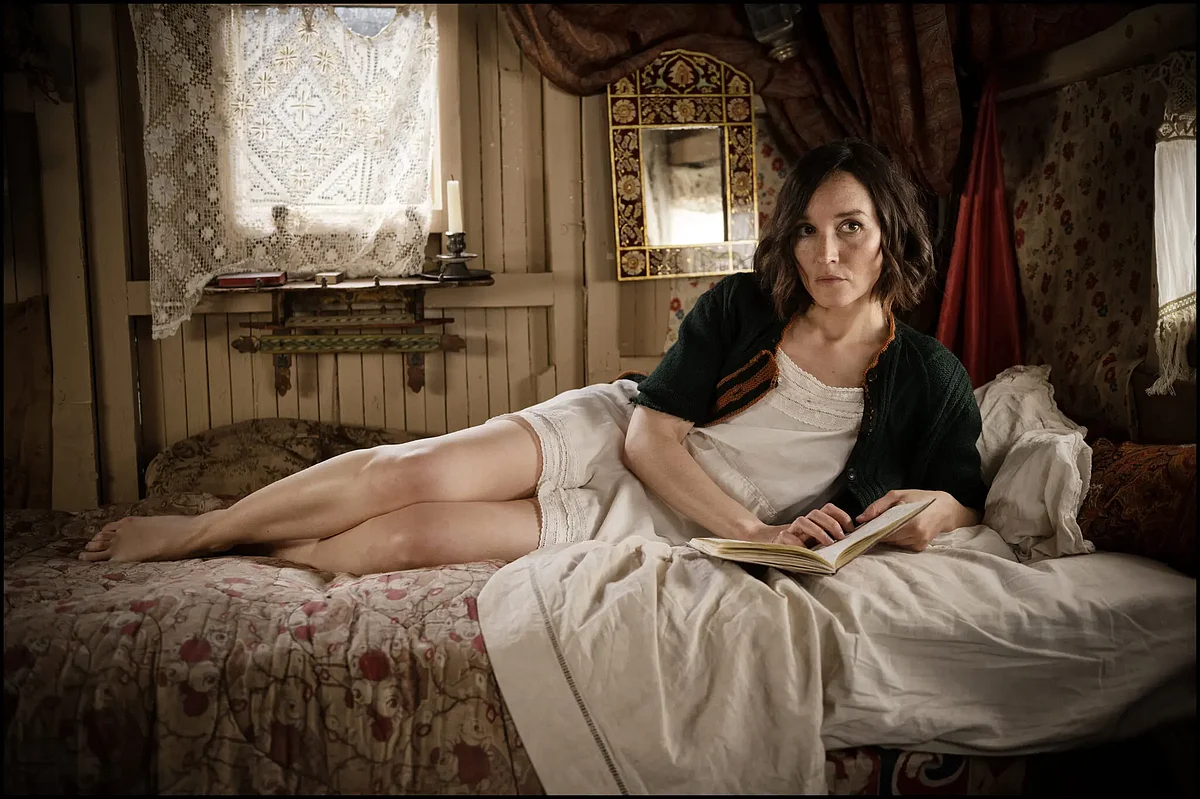
At Cannes, French Cinema Is Front And Centre.
(MENAFN- Khaleej Times) When Pierre Salvadori, a French filmmaker, heard that his film The Electric Kiss would open the 79th Cannes Film Festival this year, it still wasn't quite finished.“I was so happy,” he said,“but I couldn't enjoy it because we had to work. It had to be finished.”
The film, a comedy set in 1920s Paris, tells the story of a fake psychic who dupes a widower, then falls in love with him. Salvadori, who is from Corsica but has lived in Paris for decades, said he never considered entering the film into the festival's main competition.“I had this feeling that this one could be ideal for the opening. That was my secret wish,” he said, adding:“It was much more interesting to have it start the party.”
Recommended For You Iran sends response to US proposal via Pakistan, state media saysUnder festival rules, a film must be ready to premiere in hundreds of movie theaters across France on the same day as the opening ceremony, which this year is Tuesday. Thierry Frémaux, director of the festival, which runs until May 23, said in an email that he issued the rule about 15 years ago to give the films“strong commercial momentum,” and because“it reinforces our core belief: Cinema is meant to be experienced in theaters".
That ethos might be broadly shared in France, which is one of the few countries that has seen a post-Covid rebound in attendance at the cinema, and where there is an ingrained and culture-wide passion for films and moviegoing.
“To see a comedy in a huge room like that, in a huge theater like that, and, I hope, to feel and to listen to the reaction of the people,” will be an invaluable experience, Salvadori said, adding:“I'm this kind of director which is obsessed by the reaction of the audience.”
Frémaux said the selection committee began reviewing contenders as early as December, and looked for films that might appeal to both audiences and critics, and that possessed strong direction and well-known actors.
Opening films are not always part of the main festival competition.“There is no specific message behind the choice” of the opening film, Frémaux said, adding that it“serves a different purpose. It needs to make an immediate impact.” He pointed to Leave One Day, the film selected for last year's festival, which was the first time a filmmaker's debut feature opened Cannes.
Amélie Bonnin, the director of Leave One Day, said she didn't believe she had been chosen until she heard it from Frémaux himself on television during the official news conference last year.
“I was so surprised; we all were so surprised,” she said in an interview.
Bonnin said her film, a musical comedy about a chef who reconnects with an old crush upon returning to her hometown after her father's heart attack, had a“universal quality” that might have seemed like a“great appetizer movie” for the rest of the festival.
She said the film also used real French pop hits for the musical numbers, which might have appealed to people's sense of nostalgia.“It's very French,” she said.
Frenchness is a common theme among the selections.
When Moulin Rouge!, directed by Baz Luhrmann, an Australian, opened the festival in 2001, the film critic Roger Ebert wrote that“to have your film open the Cannes festival is an honour so unimaginably grand that normally only French films are considered adequate.”
Since 2021, all of the opening films have been directed by French filmmakers, though the French have always featured heavily in the slot.
François Truffaut's The 400 Blows opened the festival in 1959, and Luc Besson's The Fifth Element in 1997. Others have had a French flair, like Midnight in Paris (2011), directed by Woody Allen.
But Frémaux said that though The Electric Kiss is“distinctly French”, it has not been an intentional pattern to select French films.
In the past, he said, the festival would often open with offerings from big Hollywood studios, like Moulin Rouge! and The Great Gatsby (2013), also directed by Luhrmann. In 2006, it was The Da Vinci Code, directed by Ron Howard.
But the presence of studio films has become more rare.
“I would be very happy to open with an international film,” Frémaux said, but these days they often don't meet the festival's criteria.
Cannes was supposed to kick off in 1939, but was postponed to 1946 because of the outbreak of World War II. Vanessa R. Schwartz, a professor at the University of Southern California and the author of It's So French! Hollywood, Paris and the Making of Cosmopolitan Film Culture, said that from the beginning, the opening films had“an international theme, but were seen as commercial blockbuster type films”. Some of those included An American in Paris (1951) and Around the World in 80 Days (a 1956 film that opened the 1957 festival).
“I think that's really the Cannes brand,” Schwartz said in a phone interview.
She added that people tend to see Cannes as a showcase for director-driven, arthouse films, a“small film extravaganza”, but the festival has been“most important for creating an international film market and making it possible for co-productions and things made outside of Hollywood to have commercial influence".
Audience reception aside, getting the first slot is inevitably a boost for a film and its director.“The opening is the best publicity in the world,” Schwartz said, at a festival that's“a giant and brilliant publicity machine”.
This article originally appeared in The New York Times

Legal Disclaimer:
MENAFN provides the
information “as is” without warranty of any kind. We do not accept
any responsibility or liability for the accuracy, content, images,
videos, licenses, completeness, legality, or reliability of the information
contained in this article. If you have any complaints or copyright
issues related to this article, kindly contact the provider above.
Most popular stories
Market Research

More Story







Comments
No comment