




403
Sorry!!
Error! We're sorry, but the page you were looking for doesn't exist.
PM Modi's Appeal To Hold On Gold Purchase Puts Spotlight On Rising Import Dependence
(MENAFN- KNN India)
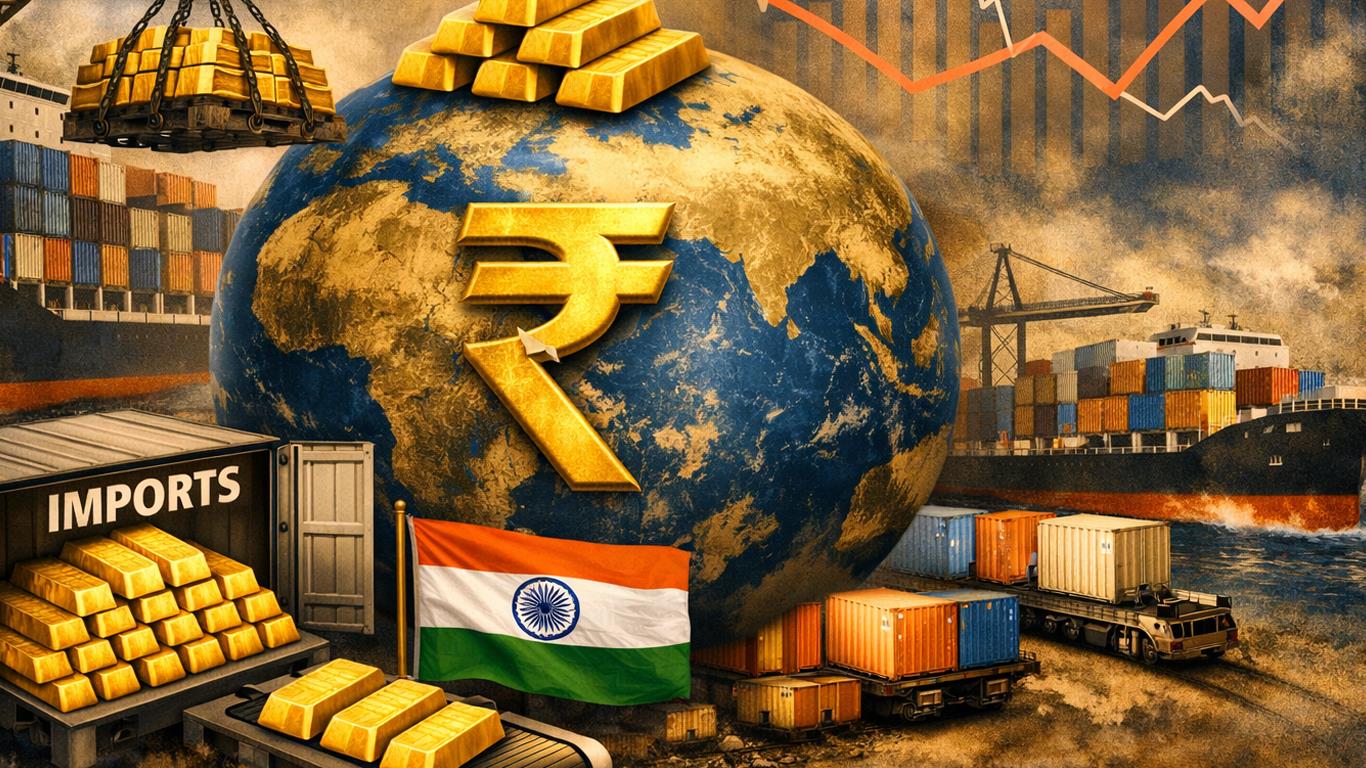
New Delhi, May 11 (KNN) Prime Minister Narendra Modi's recent appeal urging citizens to avoid non-essential gold purchases for a year has raised concerns on India's growing dependence on bullion imports and its negative impact on the country's trade balance and foreign exchange reserves.
India's gold import bill has risen sharply in recent years, increasing from around USD 36.5 billion in 2022 to nearly USD 58.9 billion in 2025.
According to the Ministry of Commerce and Industry, the country's gold imports further climbed 24 per cent in FY26 to approximately USD 72 billion, highlighting the increasing pressure on the external account as India continues to rely heavily on imported gold.
The concerns have also drawn attention to the India-UAE Comprehensive Economic Partnership Agreement (CEPA) which came into force in 2022. Under the agreement, gold imports from the UAE are permitted at concessional tariffs through a Tariff Rate Quota mechanism.
The quota initially allowed 120 tonnes of gold imports annually and is expected to rise to 200 tonnes from 2027, accounting for nearly a quarter of India's gold imports. Following the reduction in standard gold import duty from 15 per cent to 6 per cent in the Union Budget 2024, the effective duty on eligible UAE-origin gold imports declined to 5 per cent.
India also allowed private firms and jewellers to directly import bullion through the India International Bullion Exchange, easing access to overseas gold supplies.
As a result, India's gold bar imports from the UAE increased significantly, rising from USD 2.9 billion in 2022 to USD 16.5 billion in 2025. Dubai's share in India's total gold imports also rose from 7.9 per cent before the trade pact to 28 per cent in 2025.
The surge in imports routed through Dubai has triggered concerns among industry watchers, particularly because the UAE is not a major gold producer. Analysts have raised questions over the possibility of bullion from third countries being routed through Dubai to avail lower tariffs under CEPA provisions.
There are also concerns regarding possible misuse of Rules of Origin norms through minimal processing activities aimed at qualifying bullion for concessional duties, prompting calls for stricter origin verification and a review of precious metal concessions under free trade agreements.
Meanwhile, India's domestic gold consumption patterns are also shifting due to elevated prices. According to the World Gold Council, gold jewellery consumption in India fell 19 per cent year-on-year to 66.1 tonnes during the January–March quarter of 2026 as record prices discouraged discretionary purchases.
However, jewellery demand in value terms reached a record USD 10 billion during the quarter due to rising prices. Investment demand strengthened simultaneously, with bar and coin demand rising 34 per cent year-on-year to 62.3 tonnes the highest first-quarter level since 2013.
As per World Gold Council, many consumers shifted from jewellery to bars and coins because of lower making charges and premiums, while gold-backed lending also increased as households used gold more actively as financial collateral.
(KNN Bureau)

Legal Disclaimer:
MENAFN provides the
information “as is” without warranty of any kind. We do not accept
any responsibility or liability for the accuracy, content, images,
videos, licenses, completeness, legality, or reliability of the information
contained in this article. If you have any complaints or copyright
issues related to this article, kindly contact the provider above.
Most popular stories
Market Research

More Story








Comments
No comment