




403
Sorry!!
Error! We're sorry, but the page you were looking for doesn't exist.
Trump Rejects Iran's Demands As Tehran Insists On Hormuz Role, Sanctions Relief
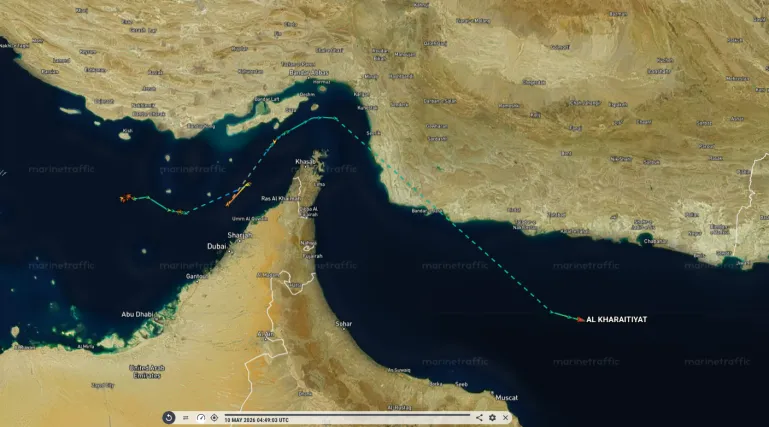
(MENAFN- Daily News Egypt) US President Donald Trump has rejected Iran's response to a US proposal aimed at ending the war, as Tehran pressed for conditions including lifting the naval blockade, easing sanctions, and retaining influence over shipping through the Strait of Hormuz. The exchange comes amid intensified regional and international diplomacy to preserve the fragile Gulf truce.
Trump said on Truth Social that he had reviewed Iran's response, delivered via Pakistani mediators, and found it“totally unacceptable.” He later told Fox News he had not yet decided whether to resume“Project Freedom,” the US-led naval operation designed to secure maritime traffic, but suggested it could be expanded beyond Hormuz.
He said Washington was considering reviving the operation“on a broader scale, not limited to escorting ships through the Strait of Hormuz,” while warning that the United States would continue dealing firmly with Iran's hardline leadership until an agreement was reached.
US Central Command reported redirecting 62 commercial vessels and disabling four ships since the blockade began, underscoring continued American pressure. Bloomberg cited sources saying Iran's demands included lifting the blockade, easing sanctions, releasing frozen assets, and removing restrictions on oil exports. Tehran also sought control over Hormuz shipping and called for a ceasefire in Lebanon.
Iranian state television and the conservative Tasnim news agency said Tehran's response emphasized the“fundamental rights of the Iranian people” and rejected what it described as“Trump's excessive demands.” Reports added that Iran also sought compensation for the war and guarantees against renewed attacks.
Iranian Foreign Ministry spokesperson Esmail Baghaei said Tehran's proposal was“not excessive,” arguing that Washington continued to present“unreasonable demands.” He added that any understanding must include an end to fighting on all fronts, the lifting of sanctions and arrangements to ensure security in the Strait of Hormuz.
Responding to Trump's rejection, Tasnim quoted a source as saying the US president's position“carries no importance,” adding that Iran's negotiating team drafts proposals“to defend the rights of the Iranian people, not to satisfy Trump.”
Iranian President Masoud Pezeshkian said the country had“multiple options,” ranging from entering negotiations“with dignity” to remaining in a state of“no war, no peace,” reflecting Tehran's continued caution toward the diplomatic track.
Meanwhile, regional powers stepped up mediation efforts. Saudi Arabia and Pakistan stressed the importance of diplomacy following a phone call between Saudi Foreign Minister Prince Faisal bin Farhan and Pakistani Foreign Minister Ishaq Dar, during which they discussed Islamabad's mediation efforts between Washington and Tehran.
Pakistan's foreign ministry said the Saudi minister expressed support for Islamabad's role, while both sides emphasized the importance of safeguarding maritime security, including shipping through the Strait of Hormuz.
Iranian Foreign Minister Abbas Araqchi also held another phone call with his Saudi counterpart – the second in less than 24 hours – to discuss regional developments and Pakistani-mediated negotiations.
Turkish Foreign Minister Hakan Fidan is expected to visit Doha on Tuesday for talks on the Iran conflict, Gulf security and maritime safety in Hormuz, according to a Turkish diplomatic source.
The source said Ankara was maintaining intensive contacts with the United States, Iran and Pakistan in an effort to contain escalation, while supporting Qatar and simultaneously criticizing Iranian strikes on Gulf states.
Highlighting mounting international concern, Fatih Birol warned that the Strait of Hormuz's reputation as a reliable global energy corridor could be“permanently damaged” if disruptions continue, adding that once confidence is lost“it cannot easily be restored.”
The Arab League condemned attacks targeting Qatar, Kuwait and the United Arab Emirates, calling them a“flagrant violation” of international law and warning that further escalation could undermine mediation efforts and push the region toward deeper instability.
With both sides firmly holding to core demands, diplomacy faces an increasingly difficult test as issues of war, sanctions, maritime security and energy flows become more tightly intertwined, complicating efforts to move beyond a fragile ceasefire toward a broader agreement.

Legal Disclaimer:
MENAFN provides the
information “as is” without warranty of any kind. We do not accept
any responsibility or liability for the accuracy, content, images,
videos, licenses, completeness, legality, or reliability of the information
contained in this article. If you have any complaints or copyright
issues related to this article, kindly contact the provider above.
Most popular stories
Market Research

More Story








Comments
No comment