




403
Sorry!!
Error! We're sorry, but the page you were looking for doesn't exist.
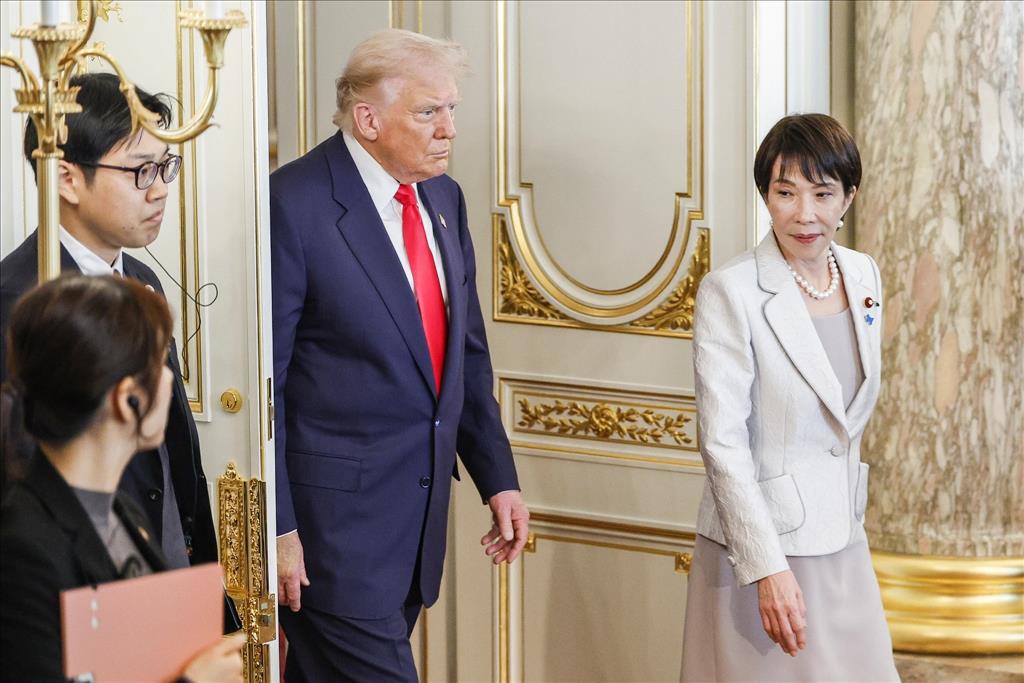
View From Tokyo: Has Iran War Changed Confidence In The US?
(MENAFN- Asia Times)
Originally published by Pacific Forum, this article is republished with permission.
The war on Iran waged by the US and Israel has caused multidimensional and likely irreversible tectonic shifts. At the global level, the negative effects of the war extend far beyond economic aspects such as soaring energy prices and the onset of international stagflation. This war has unnecessarily triggered a transformation in US-Russia relations, a deterioration in US-China relations, and a worsening of transatlantic ties.
Naturally, in the Indo-Pacific region, it is having a complex and ambivalent impact on the trust that US allies and friendly nations place in the United States.
Among these variables, I will examine the changes in“confidence in the US” as seen from the Indo-Pacific, particularly from Japan's perspective, while consciously distinguishing between Japan's mass media/researchers, and government officials – and between the US government in general and the Trump administration.
Typical criticism of the US in JapanWinning a war requires a clear strategy, appropriate tactics, a just cause and trustworthy allies. If a country wages war in this manner, its allies' trust in that country will remain unshaken. However, the current war with Iran lacks three of these four elements – strategy, a just cause, and allies – leaving only appropriate tactics, namely the powerful American military force. It is only natural that this war would fail to yield results.
Sure enough, confidence in the United States is rapidly declining among Japanese media and researchers.
In public opinion polls conducted by major Japanese media outlets from March to April, the percentage of respondents who“do not support” the attacks by the United States and Israel reached 75% to 86%. Moreover, the criticism is harsher than before. There is strong criticism of Mr. Trump's“unilateral declaration of war,” and since the attack was forced through without international consensus or clear evidence of nuclear development, many are questioning the United States' qualifications as a“leader safeguarding the international order.”
Of course, the primary reason for this is that the prolonged war has directly impacted the lives of ordinary people. As Japan's economic losses materialize – including soaring crude oil and electricity prices due to the blockade of the Strait of Hormuz, as well as the sharp decline in stock prices and the value of the yen – criticism is mounting that American unilateral military actions are harming Japan's national interests. However, these criticisms are not limited to Japan; they are likely shared across the Indo-Pacific region and around the world.

Legal Disclaimer:
MENAFN provides the
information “as is” without warranty of any kind. We do not accept
any responsibility or liability for the accuracy, content, images,
videos, licenses, completeness, legality, or reliability of the information
contained in this article. If you have any complaints or copyright
issues related to this article, kindly contact the provider above.
Most popular stories
Market Research

More Story






Comments
No comment