




403
Sorry!!
Error! We're sorry, but the page you were looking for doesn't exist.
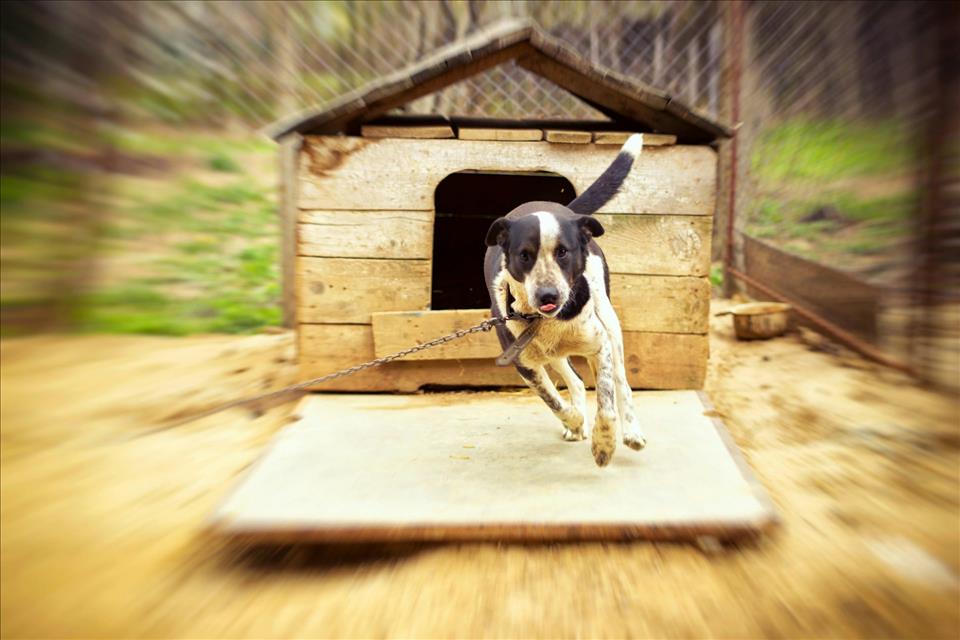
South African Study Reveals Most Dog Fights Happen At Home And How Best To Prevent It
Author: Josef Hanekom
(MENAFN- The Conversation) Dogs can be very aggressive towards one another, as many people will have witnessed in public places. But in South Africa aggression between dogs occurs more often in people's homes.

We, a group of South African veterinary scientists including epidemiologists and a behaviourist at the Faculty of Veterinary Science, University of Pretoria, set out to understand the drivers of dog-on-dog aggression in dog bite patients. One of the reasons for doing this is that international studies rarely represent African settings, yet dog-keeping practices profoundly influence behaviour.
In South Africa, for example, dog ownership is driven by safety concerns and a guard against crime. Typically owners keep multiple dogs, select more aggressive dog breeds and combine large breeds for protection with smaller“alert” dogs meant to raise the alarm.
In a recent paper we examined detailed owner surveys from dogs presented to the veterinary hospital with bite wounds. We have also been drilling down into data based on more than 3,000 dogs that had been treated for dog bite wounds between 2013 and 2024 at the Onderstepoort Veterinary Academic Hospital. We analysed dog fight descriptions and household demographics, looking at the sex, age, breed and sterilisation status of dogs.
Our aim was to provide solid evidence-based and locally relevant prevention strategies to reduce inter-dog aggression, and to identify some risk amelioration strategies for South Africa.
We found that the biggest drivers of dog-on-dog aggression were overcrowded homes, and mismatched dog groups in terms of sex, sterilisation status and size. And that, by and large, dogs had minimal training and early socialisation and were given limited exercise outside the household.
Together, these factors create a household“pressure cooker” for inter-dog conflict.
Unfortunately, once fighting between household dogs occurs, this behaviour usually escalates. It's often necessary to permanently supervise or separate fighting dogs.
This makes identifying prevention strategies all the more important, as once fighting occurs between two household dogs it is very difficult to curb.
Our findings highlight the importance of selecting compatible dogs, managing home environments and supporting owners with practical, evidence-based advice. Based on our findings we make seven recommendations that could help reduce dog-on-dog violence. These include limiting the number of dogs in a home to two or three, castrating male dogs, making sure there's a mix of males and females, and not mixing small and large breeds.
What we foundOur research found extensive damage to the dogs that had been bitten:
- 4% had chest or abdominal cavity penetration
12% suffered fractures
6% resulted in death or euthanasia.Beyond the welfare concerns for the dogs, this conflict also affected humans in considerable ways. Owners were injured while breaking up the fight in 3.2% of fights. Wounds to the face and hands were reported.
We found that households where fighting occurred owned more dogs (4.1 dogs compared to 3.4 dogs) and had more than one intact male dog.
When we examined patterns in fighting pairs, we identified clear trends: 71% of fights were between dogs of the same sex; 53% occurred between dogs with the same sterilisation status. Conversely, fighting was less common between male and female dogs (29%). The most common pairs were two intact males (25%) or two spayed females (15%).
Intact males were significantly over-represented in fights (38% of fighters vs 12.7% for castrated males). We did not establish causality, but the association is strong.
Female spayed dogs were slightly over-represented: 28% of fighting dogs vs 22% for female intact dogs. Fighting was frequent (12% of reports) when one household dog was in oestrus (on heat).
Fights were more common in dogs older than three years when hierarchy challenges arose. Most injured dogs were small breeds attacked by larger dogs.
Several breeds were over-represented in fighting households. These included boerboels, German shepherd dogs and pitbull terriers. Jack Russell terriers and miniature pinschers were over-represented in dog bite wound patients.
Breeds such as dachshunds, labrador retrievers, miniature schnauzers and toy poodles were less represented in fighting households.
The differences between South Africa and EuropeIn Europe, fights occur mostly in public spaces between non-household dogs. Research has been done this on this in the UK, Germany and Czech Republic.
But in South Africa, household dynamics themselves are the central risk factor. In our study 85% of the dog bite wound cases happened at the owner's home, and 68% involved dogs living in the same household.
Fighting often happened when a dog escaped from the yard or entered another dog's property.
In several countries like the UK and Germany, leash laws were introducted to reduce dog attacks and fighting. But in our study population this would have a minimal effect on fighting between dogs at this occurs mostly at home.
Other clear differences to previous western studies were that most households in our survey kept 3.4 dogs. In many European studies there were usually fewer than two.
This shows that South African households face unique pressures that shape dog behaviour. Local evidence is essential to prevent fights and improve welfare.
What can owners do?Keep no more than three dogs in a household. More dogs, more competition = more fighting.
Secondly, castrate all male dogs.
Third, avoid keeping dogs of only one sex. Fighting between same sex pairs was more common.
Fourth, avoid keeping large breed dogs with small breed dogs. Injuries were more common when small breed dogs were bitten by larger breed dogs.
Fifth, avoid keeping boerboels, German shepherds and pitbull terriers in multi-dog households. These breeds were more common in fighting households.
Sixth, Jack Russell terriers and miniature pinschers should be limited to low risk households without large breed dogs. These two breeds were over-represented in dog bite wound patients.
Seventh, maintain dog proof-fencing and control dogs during gate opening and closing. Fighting was often reported when dogs escaped their yard or entered another property.
Institution:University of Pretoria

Legal Disclaimer:
MENAFN provides the
information “as is” without warranty of any kind. We do not accept
any responsibility or liability for the accuracy, content, images,
videos, licenses, completeness, legality, or reliability of the information
contained in this article. If you have any complaints or copyright
issues related to this article, kindly contact the provider above.
Most popular stories
Market Research

More Story








Comments
No comment