




403
Sorry!!
Error! We're sorry, but the page you were looking for doesn't exist.
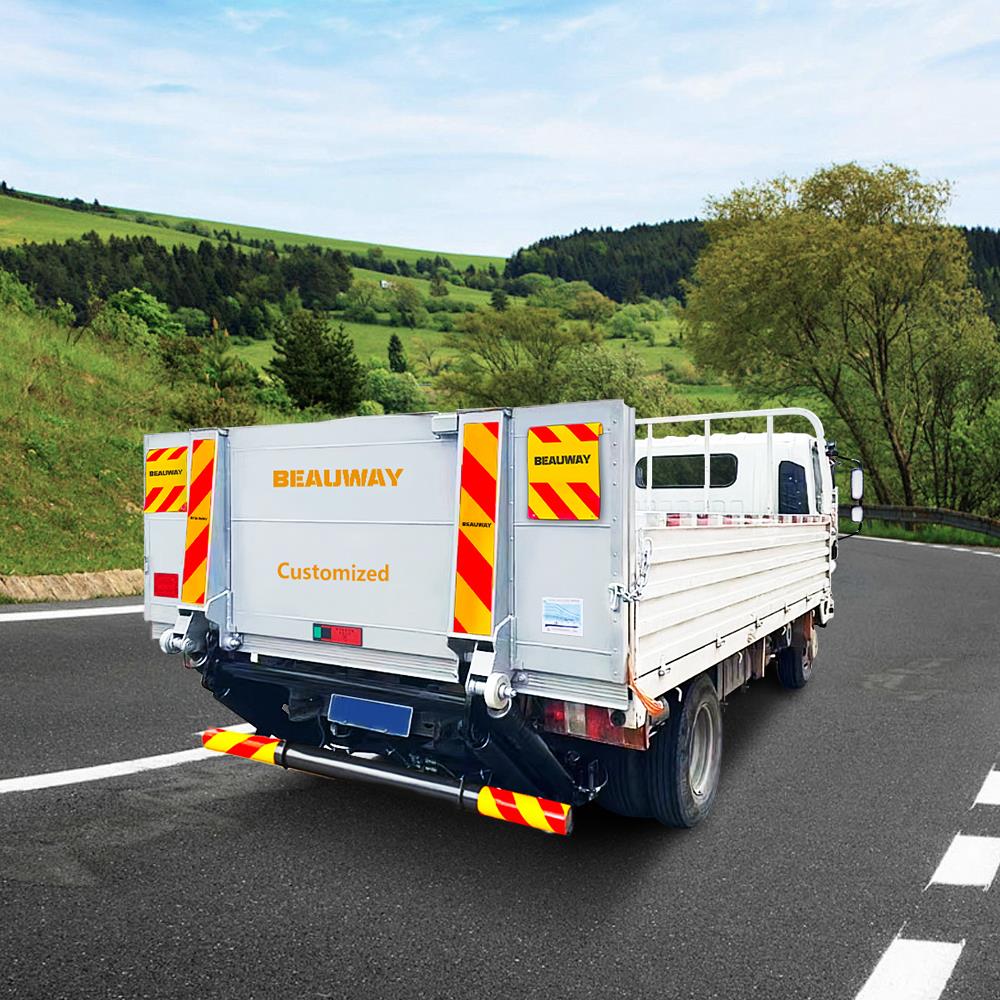
How Long Do Truck Tail Lifts Last? Lifespan and Maintenance Guide
(MENAFN- MENAFNEditorial) In modern logistics and distribution operations, truck tail lifts have become essential equipment for improving loading efficiency. For fleet managers and equipment buyers, a reliable tail lift is more than just a loading tool — it directly affects operational efficiency, safety, and long-term maintenance costs.
From my years of experience working with logistics fleets and transport companies, one of the most common questions I hear is simple: how long can a truck tail lift actually last?
There is no single answer to that question. The lifespan of a tail lift depends on several practical factors such as structural design, material quality, usage intensity, and maintenance practices. In real-world operations, I have seen tail lifts operate reliably for many years, while others required major repairs much sooner due to demanding working conditions.
Understanding these influencing factors helps fleet managers make better purchasing decisions and reduce long-term operational costs.
Key Factors That Affect Tail Lift Lifespan
Structural Design and Material Quality
The durability of a tail lift begins with its structural design and material selection.
High-quality tail lifts are typically built with high-strength steel structures or reinforced aluminum platforms. These materials provide strong load-bearing capacity while maintaining structural stability during repeated lifting operations.
Lower-quality equipment often reduces manufacturing cost by using thinner steel plates or simplified reinforcement structures. While these differences may not be obvious initially, heavy usage over time can lead to platform deformation, weld fatigue, or hinge wear.
In one project I worked on with a regional cold-chain distribution fleet, their original tail lifts began showing platform bending after several years of high-frequency deliveries. After upgrading to reinforced structural models, the vehicles were able to continue operating under similar conditions with much more stable performance.
Frequency of Operation and Load Intensity
The working intensity of a vehicle has a direct impact on the lifespan of its tail lift.
In urban delivery operations, a single truck may perform dozens of loading and unloading cycles each day. Every lifting operation places mechanical stress on hydraulic cylinders, pivot joints, and platform structures.
The type of cargo also plays an important role. For example, tail lifts used to handle:
home appliances
industrial equipment
construction materials
will typically experience greater mechanical load compared with light parcel delivery operations.
When tail lifts are used primarily for lighter goods such as cartons or packaged consumer products, the mechanical stress on the system is significantly lower, allowing the equipment to remain in service for longer periods.
Maintenance and Daily Care
In many cases, tail lift failures are not caused by structural issues but by insufficient maintenance.
Simple routine checks can significantly extend the service life of the equipment. A practical maintenance routine usually includes:
checking hydraulic oil condition
inspecting hydraulic hoses for leaks
monitoring hinge and pin wear
verifying electrical control operation
Keeping the platform clean is also important. Dirt, debris, and small stones left on the platform after transport can gradually accelerate wear on moving components.
One e-commerce distribution fleet I worked with introduced a weekly inspection routine for their vehicles. After implementing this basic maintenance practice, their tail lift failure rate dropped noticeably within a year.
Operating Environment
Environmental conditions also play a role in how long a tail lift will last.
Vehicles operating in coastal regions are exposed to salty air, which can accelerate corrosion on metal structures. Without proper surface treatment or protective coatings, rust may gradually weaken structural components.
Extreme temperatures can also influence equipment performance. In very cold climates, hydraulic oil viscosity increases and may affect system responsiveness. In hot climates, prolonged exposure to sunlight can accelerate aging of seals and rubber components.
Because of these environmental variables, maintenance strategies often need to be adjusted depending on where the vehicles operate.
Typical Service Life of Truck Tail Lifts
Based on my experience working with transport fleets and logistics operators, a well-built tail lift that receives proper maintenance can generally operate reliably for five to eight years, sometimes longer.
In lighter delivery operations, where vehicles transport relatively small loads and operate under controlled conditions, tail lifts may remain in service for ten years or more.
However, in high-intensity environments such as construction logistics or heavy equipment transportation, the equipment may require major servicing or structural replacement within four to six years.
This is why proper equipment selection and maintenance planning are so important for fleet operators.
How Fleets Can Extend Tail Lift Service Life
Selecting the Right Tail Lift
Different transport operations require different types of tail lifts.
For example:
urban delivery trucks often use folding tail lifts
heavy cargo vehicles may require cantilever tail lifts
refrigerated vehicles require stable platform designs suitable for cold-chain operations
Choosing the right model based on cargo weight, vehicle type, and loading frequency can significantly improve equipment longevity.
Establishing a Maintenance Routine
Fleet operators who implement regular inspection procedures often experience fewer unexpected failures.
A practical maintenance system might include:
daily visual checks by drivers
weekly hydraulic inspections
monthly technical inspections by maintenance staff
These simple practices help identify potential issues early and prevent small problems from turning into major repairs.
Operator Training
Proper operating practices can also reduce equipment wear.
Drivers should avoid situations such as:
placing excessive impact loads on the platform
exceeding rated lifting capacity
unloading cargo before the platform is fully supported
Even basic training can greatly reduce unnecessary stress on the equipment.
Final Thoughts
Truck tail lifts play a critical role in modern logistics operations. Their lifespan depends on multiple factors, including material quality, structural design, operational intensity, maintenance practices, and working environment.
From my experience in the industry, a well-designed and properly maintained tail lift can provide reliable service for many years and significantly improve loading efficiency for transport fleets.
With years of technical experience in lifting and loading equipment, Beauway remains committed to delivering reliable solutions tailored to real operational needs. Whether fleets require guidance on tail lift selection, loading equipment configuration, or application-specific recommendations, the Beauway team works closely with customers to provide practical support and detailed product information.
Companies seeking dependable loading solutions are always welcome to connect with Beauway to explore suitable equipment options and obtain professional technical advice.
From my years of experience working with logistics fleets and transport companies, one of the most common questions I hear is simple: how long can a truck tail lift actually last?
There is no single answer to that question. The lifespan of a tail lift depends on several practical factors such as structural design, material quality, usage intensity, and maintenance practices. In real-world operations, I have seen tail lifts operate reliably for many years, while others required major repairs much sooner due to demanding working conditions.
Understanding these influencing factors helps fleet managers make better purchasing decisions and reduce long-term operational costs.
Key Factors That Affect Tail Lift Lifespan
Structural Design and Material Quality
The durability of a tail lift begins with its structural design and material selection.
High-quality tail lifts are typically built with high-strength steel structures or reinforced aluminum platforms. These materials provide strong load-bearing capacity while maintaining structural stability during repeated lifting operations.
Lower-quality equipment often reduces manufacturing cost by using thinner steel plates or simplified reinforcement structures. While these differences may not be obvious initially, heavy usage over time can lead to platform deformation, weld fatigue, or hinge wear.
In one project I worked on with a regional cold-chain distribution fleet, their original tail lifts began showing platform bending after several years of high-frequency deliveries. After upgrading to reinforced structural models, the vehicles were able to continue operating under similar conditions with much more stable performance.
Frequency of Operation and Load Intensity
The working intensity of a vehicle has a direct impact on the lifespan of its tail lift.
In urban delivery operations, a single truck may perform dozens of loading and unloading cycles each day. Every lifting operation places mechanical stress on hydraulic cylinders, pivot joints, and platform structures.
The type of cargo also plays an important role. For example, tail lifts used to handle:
home appliances
industrial equipment
construction materials
will typically experience greater mechanical load compared with light parcel delivery operations.
When tail lifts are used primarily for lighter goods such as cartons or packaged consumer products, the mechanical stress on the system is significantly lower, allowing the equipment to remain in service for longer periods.
Maintenance and Daily Care
In many cases, tail lift failures are not caused by structural issues but by insufficient maintenance.
Simple routine checks can significantly extend the service life of the equipment. A practical maintenance routine usually includes:
checking hydraulic oil condition
inspecting hydraulic hoses for leaks
monitoring hinge and pin wear
verifying electrical control operation
Keeping the platform clean is also important. Dirt, debris, and small stones left on the platform after transport can gradually accelerate wear on moving components.
One e-commerce distribution fleet I worked with introduced a weekly inspection routine for their vehicles. After implementing this basic maintenance practice, their tail lift failure rate dropped noticeably within a year.
Operating Environment
Environmental conditions also play a role in how long a tail lift will last.
Vehicles operating in coastal regions are exposed to salty air, which can accelerate corrosion on metal structures. Without proper surface treatment or protective coatings, rust may gradually weaken structural components.
Extreme temperatures can also influence equipment performance. In very cold climates, hydraulic oil viscosity increases and may affect system responsiveness. In hot climates, prolonged exposure to sunlight can accelerate aging of seals and rubber components.
Because of these environmental variables, maintenance strategies often need to be adjusted depending on where the vehicles operate.
Typical Service Life of Truck Tail Lifts
Based on my experience working with transport fleets and logistics operators, a well-built tail lift that receives proper maintenance can generally operate reliably for five to eight years, sometimes longer.
In lighter delivery operations, where vehicles transport relatively small loads and operate under controlled conditions, tail lifts may remain in service for ten years or more.
However, in high-intensity environments such as construction logistics or heavy equipment transportation, the equipment may require major servicing or structural replacement within four to six years.
This is why proper equipment selection and maintenance planning are so important for fleet operators.
How Fleets Can Extend Tail Lift Service Life
Selecting the Right Tail Lift
Different transport operations require different types of tail lifts.
For example:
urban delivery trucks often use folding tail lifts
heavy cargo vehicles may require cantilever tail lifts
refrigerated vehicles require stable platform designs suitable for cold-chain operations
Choosing the right model based on cargo weight, vehicle type, and loading frequency can significantly improve equipment longevity.
Establishing a Maintenance Routine
Fleet operators who implement regular inspection procedures often experience fewer unexpected failures.
A practical maintenance system might include:
daily visual checks by drivers
weekly hydraulic inspections
monthly technical inspections by maintenance staff
These simple practices help identify potential issues early and prevent small problems from turning into major repairs.
Operator Training
Proper operating practices can also reduce equipment wear.
Drivers should avoid situations such as:
placing excessive impact loads on the platform
exceeding rated lifting capacity
unloading cargo before the platform is fully supported
Even basic training can greatly reduce unnecessary stress on the equipment.
Final Thoughts
Truck tail lifts play a critical role in modern logistics operations. Their lifespan depends on multiple factors, including material quality, structural design, operational intensity, maintenance practices, and working environment.
From my experience in the industry, a well-designed and properly maintained tail lift can provide reliable service for many years and significantly improve loading efficiency for transport fleets.
With years of technical experience in lifting and loading equipment, Beauway remains committed to delivering reliable solutions tailored to real operational needs. Whether fleets require guidance on tail lift selection, loading equipment configuration, or application-specific recommendations, the Beauway team works closely with customers to provide practical support and detailed product information.
Companies seeking dependable loading solutions are always welcome to connect with Beauway to explore suitable equipment options and obtain professional technical advice.

Legal Disclaimer:
MENAFN provides the
information “as is” without warranty of any kind. We do not accept
any responsibility or liability for the accuracy, content, images,
videos, licenses, completeness, legality, or reliability of the information
contained in this article. If you have any complaints or copyright
issues related to this article, kindly contact the provider above.
Most popular stories
Market Research

More Story








Comments
No comment