




403
Sorry!!
Error! We're sorry, but the page you were looking for doesn't exist.
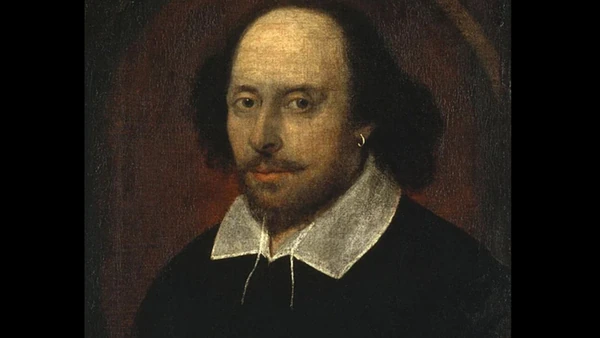
Quote Of The Day By William Shakespeare: 'The Fault, Dear Brutus, Is Not In Our Stars, But...'
(MENAFN- Live Mint) One of the most impressive lines by William Shakespeare that has stood the test of time is:“The fault, dear Brutus, is not in our stars, but in ourselves.” These words are taken from one of his masterpieces, the play Julius Caesar, and remain relevant to many people in the contemporary world.The meaning of the words
The quote suggests that people tend to believe that destiny determines whether they will succeed in different areas of life. In contrast, the author implies that individuals are responsible for their failures, as they are the ones making decisions.
In other words, success or failure depends on the choices people make, rather than on external factors such as fortune, destiny, or chance.
Relevance in contemporary societyIn the modern world, people often try to justify their failures by blaming misfortune. These words can serve as a reminder to stop blaming external factors and instead take responsibility for one's actions and outcomes.
Considering the intense competition in today's world, it is important to focus on personal development.
Also Read | Quote of the day by Martin Luther King Jr: 'Injustice anywhere is a threat to...' Who is William Shakespeare? A look at the writer behind Julius CaesarShakespeare, one of the greatest writers in the English language, is best known for his plays, poetry, and deep understanding of human nature. Writing during the late 16th and early 17th centuries, he created timeless works that are still widely read and performed today.
About Julius Caesar and its themesWritten around 1599 or 1600, likely for the opening of the Globe Theatre in London, Shakespeare's play Julius Caesar marks a shift in his writing toward darker and more serious themes. Although based on historical events from ancient Rome, the play explores ideas that go beyond simple history.
Also Read | Quote of the Day by Zendaya is a lesson on beauty and self-worthSet in a non-Christian world, the story presents a society where the role of divine power is uncertain. Characters interpret major events, like Caesar's assassination, in different ways-some see it as the will of the gods, while others believe there is no higher purpose at all. The Roman thinker Cicero reflects this confusion, suggesting that people often interpret events based on their own views rather than any true meaning.
A story of power, fate, and tragedyThe play highlights a cycle of rise and fall in human history. Caesar rises to great power but is assassinated by conspirators. Brutus and Cassius then take control, only to face defeat later. Their attempt to protect the Roman Republic ultimately leads to its downfall.
Also Read | Quote of the Day by Justin Bieber: 'Haters will say what they want...'Brutus, in particular, stands out as a tragic figure. Though noble and well-meaning, his pride and stubbornness contribute to his downfall. Shakespeare uses such characters to show that personal traits can shape destiny.
Shakespeare's lasting impactWith Julius Caesar, Shakespeare combined history with deep psychological insight, drawing from classical ideas of tragedy. The play reflects his growing skill in portraying complex characters and moral dilemmas, cementing his place as a literary giant whose works continue to influence storytelling today.

Legal Disclaimer:
MENAFN provides the
information “as is” without warranty of any kind. We do not accept
any responsibility or liability for the accuracy, content, images,
videos, licenses, completeness, legality, or reliability of the information
contained in this article. If you have any complaints or copyright
issues related to this article, kindly contact the provider above.
Most popular stories
Market Research

More Story








Comments
No comment