




403
Sorry!!
Error! We're sorry, but the page you were looking for doesn't exist.
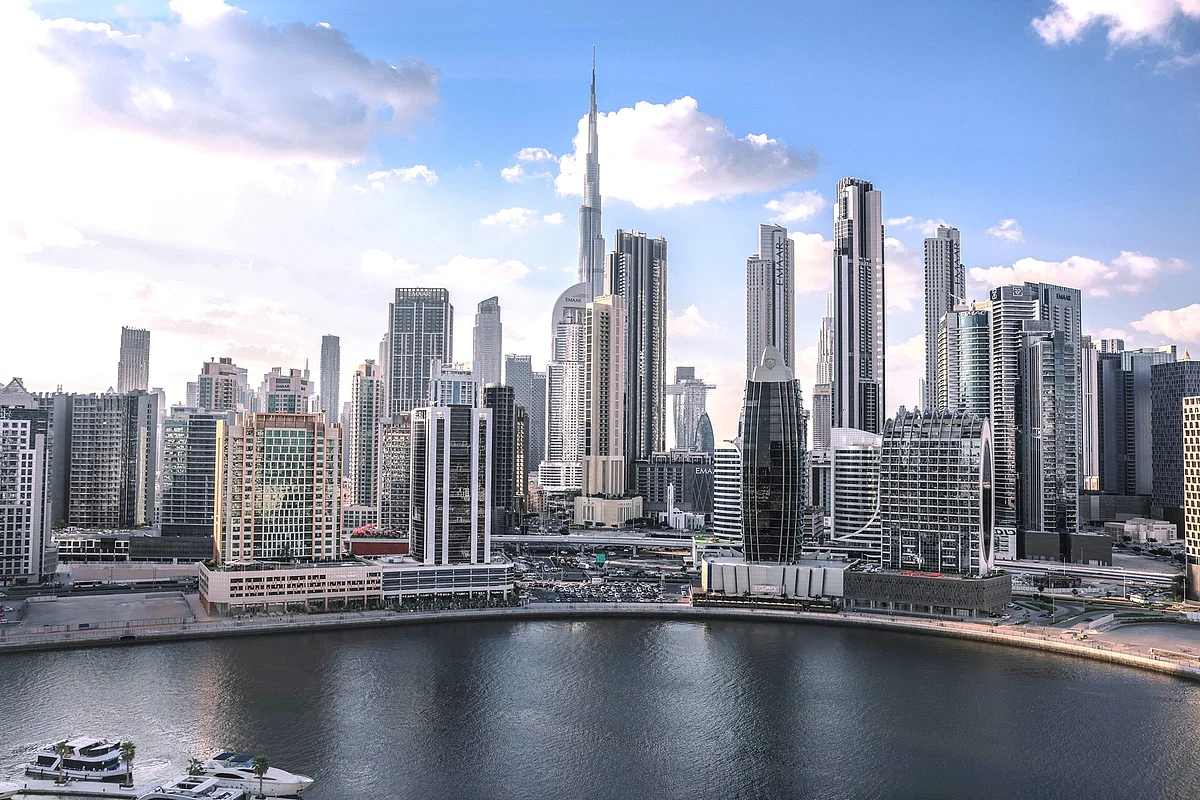
$10M+ Deals Jump 63% As Dubai Real Estate Sales Cross Dh180b In Q1
(MENAFN- Khaleej Times) Dubai's property market began 2026 on a powerful note, with transactions exceeding Dh180 billion in the first quarter as a surge in ultra-luxury home purchases and sustained demand across residential and commercial segments underscored the emirate's continuing appeal to global investors, according to the latest market update from Engel & Völkers Middle East.
The standout feature of the quarter was a sharp rise in high-end activity, with 2,148 property transactions valued above Dh10 million recorded between January and March - a 62.6 per cent increase year-on-year and one of the highest quarterly totals on record. The performance reflects Dubai's growing status as a preferred destination for global high-net-worth individuals seeking secure assets, residency advantages and long-term lifestyle investments.
Recommended For YouResidential sales accounted for Dh143.1 billion across 44,743 transactions, up 22.2 per cent compared with the same period last year, while commercial transactions reached Dh37.9 billion from 3,619 deals, supported by strong demand for office and retail assets across major business districts.
Several trophy transactions illustrated the scale of investor appetite at the top end of the market, including a Dh422 million off-plan residence at Aman Residences, a Dh350 million villa at Jumeirah Asora Bay and a Dh340 million villa on Jumeirah Bay Island. Such landmark deals highlight the deepening maturity of Dubai's ultra-prime segment, which continues to attract family offices, entrepreneurs and international wealth relocating to the emirate.
Prime demand remained concentrated in established communities such as Palm Jumeirah and Dubai Hills Estate, while master-planned destinations including The Oasis Dubai and Nad Al Sheba gained traction alongside emerging waterfront developments such as Palm Jebel Ali and La Mer, reflecting a growing preference for integrated lifestyle communities and long-term capital appreciation potential.
Although the market entered the year with strong momentum, activity became more measured toward the end of the quarter following regional tensions in late February, with some buyers extending decision-making timelines. However, analysts say this represented a temporary adjustment in sentiment rather than a structural slowdown in demand.
“Dubai's real estate market continues to demonstrate exceptional depth, particularly at the luxury end, where demand remains highly resilient,” said Daniel Hadi, chief executive of Engel & Völkers Middle East.“What we saw in March was a natural pause linked to evolving regional conditions, but also a transition towards a more mature phase where buyers and investors are increasingly focused on value, quality and long-term fundamentals.”
The commercial property sector mirrored the broader market's strength, with office assets emerging as a standout performer. A total of 1,565 office transactions were recorded during the quarter, representing a 74.5 per cent increase year-on-year, while average office prices rose to Dh3,047 per square foot as demand strengthened for Grade A workspaces.
Business hubs such as Business Bay, Al Sufouh and Dubai Maritime City accounted for a significant share of off-plan office activity, reflecting continued expansion by multinational companies and professional services firms establishing regional headquarters in the emirate.
Retail property transactions also recorded solid growth, supported by population expansion and the rapid development of mixed-use residential communities that continue to drive footfall across emerging urban corridors.
Official figures from Dubai Land Department reinforced the strength of the broader trend, showing total real estate transactions reached Dh252 billion in the first quarter of 2026, a 31 per cent increase year-on-year across more than 60,000 deals. Foreign investment alone climbed 26 per cent to Dh148.35 billion, highlighting sustained international confidence in Dubai's property market despite regional volatility.
The emirate's population growth remains a key structural driver of demand, with Dubai's resident base surpassing four million last year as professionals, entrepreneurs and investors continue relocating to the city under long-term residency programmes and business-friendly policies.
With rental yields still averaging between 6 and 8 per cent in many communities and total property sales already reaching a record Dh686.8 billion in 2025, the strong start to 2026 suggests Dubai's real estate sector is entering a more selective and globally institutional phase, increasingly shaped by asset quality, strategic location and long-term investor conviction rather than short-term speculative activity.

Legal Disclaimer:
MENAFN provides the
information “as is” without warranty of any kind. We do not accept
any responsibility or liability for the accuracy, content, images,
videos, licenses, completeness, legality, or reliability of the information
contained in this article. If you have any complaints or copyright
issues related to this article, kindly contact the provider above.
Most popular stories
Market Research

More Story






Comments
No comment