




403
Sorry!!
Error! We're sorry, but the page you were looking for doesn't exist.
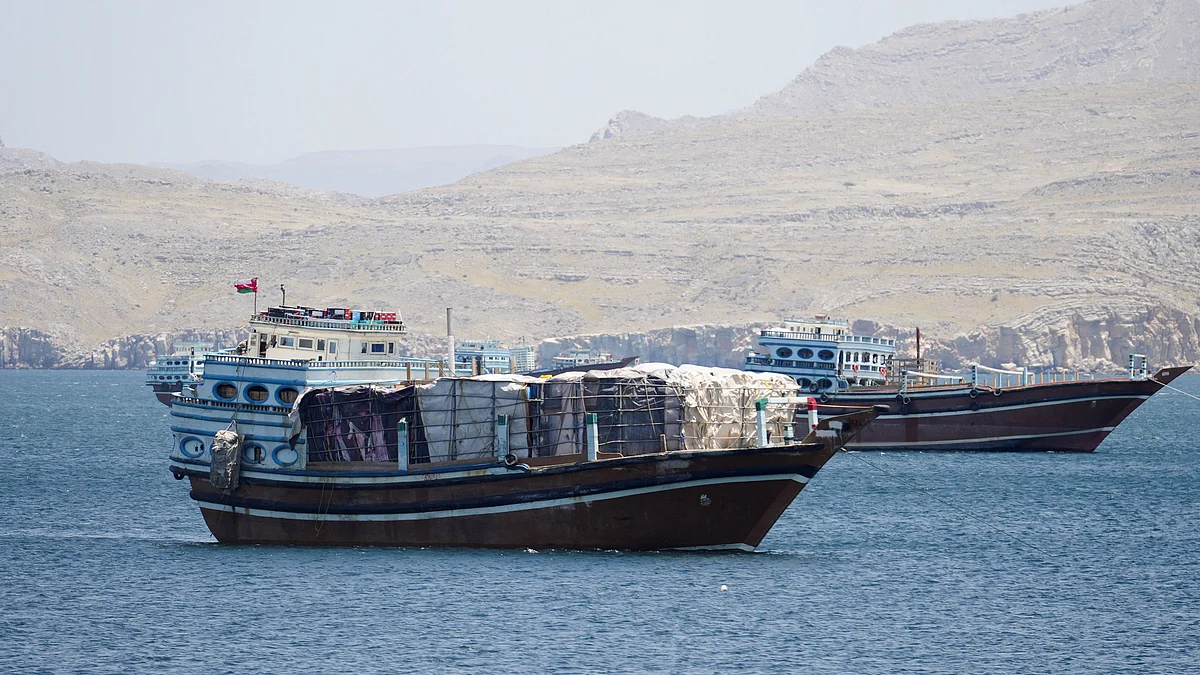
Oil Surges Above $110 As Hormuz Uncertainty Outweighs Reopening Offer
(MENAFN- Khaleej Times) Oil prices surged back above $110 a barrel this week despite Iran signalling a willingness to reopen the Strait of Hormuz in exchange for deferring nuclear negotiations with the United States, underscoring how deeply geopolitical risk has tightened global energy markets even as supply buffers remain intact.
Brent crude, the international benchmark, rose about 3 per cent to $111.49 a barrel in early trading, extending a rally that has lifted prices roughly 13 per cent in just a week and pushed the market firmly back into triple-digit territory.
Recommended For YouTraders remained unconvinced that Tehran's proposal - conveyed through diplomatic intermediaries including Pakistan - would translate quickly into restored shipping flows through the critical waterway.
The Strait of Hormuz, through which roughly a fifth of global oil consumption normally passes, remains partially constrained nearly two months into the conflict between Iran and US-aligned forces, forcing refiners and traders to rely increasingly on inventories, alternative shipping routes and strategic reserves to bridge supply gaps.
Iran's foreign minister, Abbas Araghchi, has indicated Tehran is prepared to reopen the corridor if nuclear talks with Washington are postponed. The United States has not publicly responded to the proposal, leaving markets wary that negotiations remain stalled and maritime risks elevated.
Shipping and logistics analysts caution that even if a political breakthrough is reached, restoring normal flows through Hormuz could take months because of infrastructure disruptions, tanker backlogs and the need to clear mines from key transit lanes.
Market strategists say the persistence of these bottlenecks - rather than the immediate loss of supply - is driving the latest leg of the rally.
“The gridlocked negotiations and continued confrontations reignite some nervousness and lift oil prices back above $110,” said Norbert Rücker, head of economics and next generation research at Julius Baer.“Of course, trade through Hormuz needs to revitalise eventually to prevent a bigger shock. The conflict is more enduring than initially expected and is depleting supplies more lastingly.”
Despite the renewed surge in prices, Rücker said the broader structure of the oil market suggests the supply deficit is smaller than headline estimates imply. Global storage levels across major trading hubs such as the US Gulf Coast, northwest Europe and Singapore are declining only gradually, indicating that inventories continue to cushion the disruption.
According to Julius Baer's assessment, the effective supply shortfall linked to Hormuz constraints is closer to 5 per cent rather than the 10 per cent sometimes cited during the early phase of the crisis. Alternative export routes from the Middle East, partial demand destruction in emerging markets and continued - albeit reduced - traffic through the strait have all helped limit the scale of the shock.
The rapid adjustment of trade flows is also visible in shipping markets. Tanker freight rates and refining margins, which surged immediately after the escalation, have begun to ease as cargoes are rerouted and strategic petroleum reserves are tapped. Additional barrels from gas-derived petrochemical feedstocks and emergency stock releases are already moving toward refiners in Asia and Europe.
Large storage holdings in China and Japan are providing another layer of resilience, either directly through exports or indirectly by reducing import demand. Analysts say these buffers are helping prevent the isolated fuel shortages that many feared when the conflict first erupted.
“Oil trade largely has re-plugged along alternative routes and supply chains,” Rücker said.“We do not see the oil market heading towards a supply cliff.”
Even so, prolonged restrictions on Hormuz traffic are beginning to erode commercial inventories beyond the surplus accumulated before the crisis, gradually tightening market conditions. Strategic stockpile releases have so far offset much of the disruption, but continued conflict could deepen the deficit if flows remain constrained.
The longer the standoff persists, the greater the risk that higher prices begin to curb demand more visibly, particularly in energy-sensitive emerging economies already facing currency pressure and rising import costs.
For now, however, traders appear to be pricing in uncertainty rather than outright scarcity. Storage levels remain adequate, infrastructure damage has been limited and alternative supply corridors are functioning - all factors that could trigger a sharp pullback in prices if negotiations revive and tanker traffic through Hormuz resumes more fully.
Until then, the market is likely to remain volatile, with oil anchored above $100 a barrel as geopolitical risk continues to overshadow otherwise manageable supply fundamentals.

Legal Disclaimer:
MENAFN provides the
information “as is” without warranty of any kind. We do not accept
any responsibility or liability for the accuracy, content, images,
videos, licenses, completeness, legality, or reliability of the information
contained in this article. If you have any complaints or copyright
issues related to this article, kindly contact the provider above.
Most popular stories
Market Research

More Story








Comments
No comment