

403
Sorry!!
Error! We're sorry, but the page you were looking for doesn't exist.
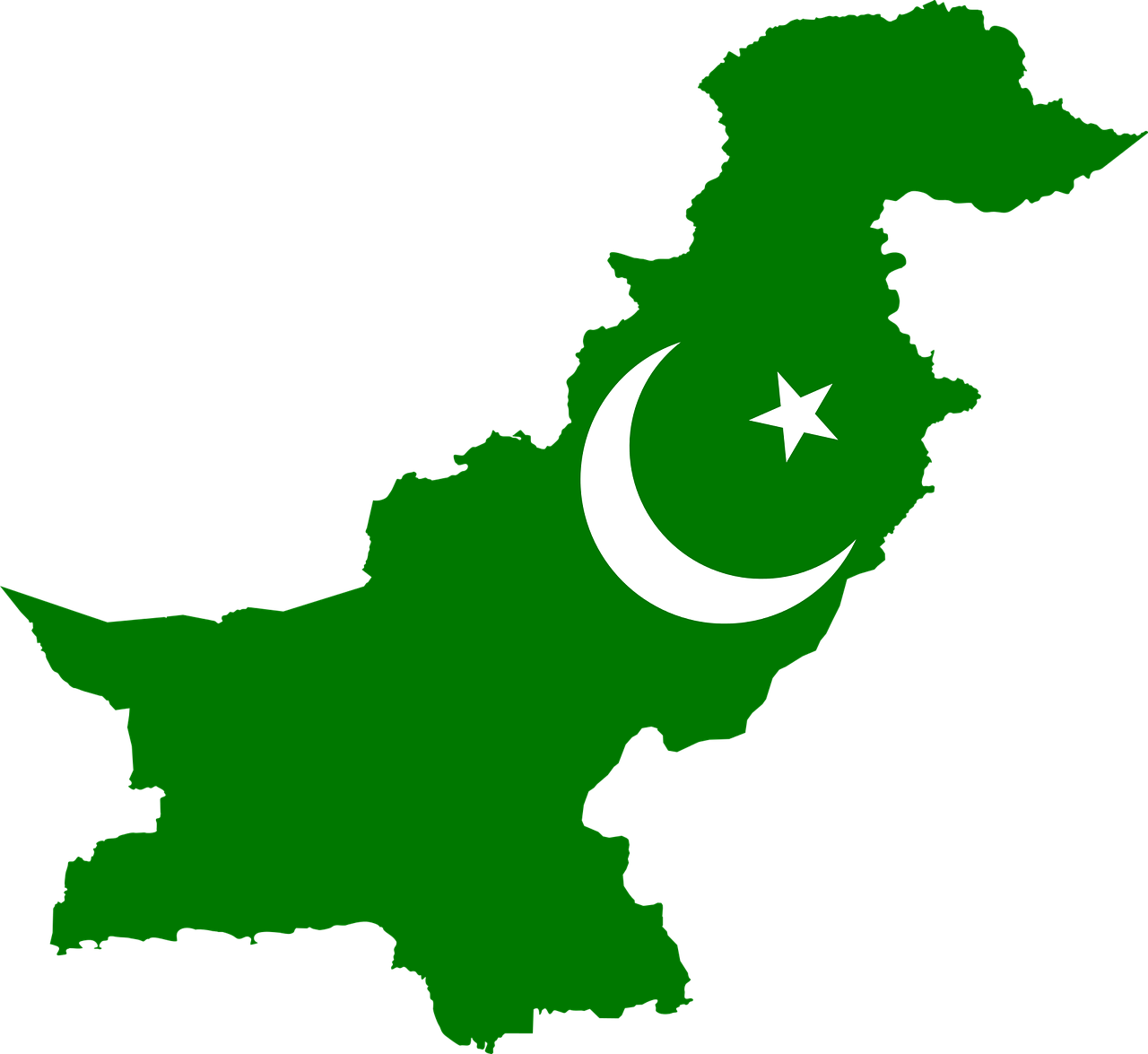
Pakistan Warns UN of Strait of Hormuz Closure Could Threaten Global Trade


(MENAFN) Pakistan has cautioned that continued disruptions to key maritime routes, especially the Strait of Hormuz, could seriously endanger global peace, economic stability, and the interests of developing countries.
According to reports, Pakistan’s ambassador to the United Nations, Asim Iftikhar Ahmad, made the remarks during a high-level UN Security Council debate on maritime security, where he emphasized the strategic importance of safe and uninterrupted sea lanes.
He described global maritime spaces as central to modern trade and international stability.
“Global maritime spaces are a key geostrategic arena where the challenges of the 21st century intersect. They are the lifeline of global commerce, bellwether of earth’s environment," he said.
Ahmad pointed to the situation in the Strait of Hormuz as a clear example of how instability at sea can quickly escalate into broader global economic disruption.
“Closure of the Strait of Hormuz and its cascading effects on food and energy security, and supply-chain disruption is a case in point,” he said.
He warned that such disruptions could lead to rising prices for energy and agricultural inputs, potentially triggering inflation, slower economic growth, and financial strain—particularly for developing nations already facing economic pressure.
Ahmad stressed that Pakistan continues to support diplomatic solutions and efforts aimed at reducing tensions between major actors, including the United States and Iran, in order to prevent further escalation and protect global stability.
According to reports, Pakistan’s ambassador to the United Nations, Asim Iftikhar Ahmad, made the remarks during a high-level UN Security Council debate on maritime security, where he emphasized the strategic importance of safe and uninterrupted sea lanes.
He described global maritime spaces as central to modern trade and international stability.
“Global maritime spaces are a key geostrategic arena where the challenges of the 21st century intersect. They are the lifeline of global commerce, bellwether of earth’s environment," he said.
Ahmad pointed to the situation in the Strait of Hormuz as a clear example of how instability at sea can quickly escalate into broader global economic disruption.
“Closure of the Strait of Hormuz and its cascading effects on food and energy security, and supply-chain disruption is a case in point,” he said.
He warned that such disruptions could lead to rising prices for energy and agricultural inputs, potentially triggering inflation, slower economic growth, and financial strain—particularly for developing nations already facing economic pressure.
Ahmad stressed that Pakistan continues to support diplomatic solutions and efforts aimed at reducing tensions between major actors, including the United States and Iran, in order to prevent further escalation and protect global stability.

Legal Disclaimer:
MENAFN provides the
information “as is” without warranty of any kind. We do not accept any
responsibility or liability for the accuracy, content, images, videos,
licenses, completeness, legality, or reliability of the information
contained in this article. If you have any complaints or copyright issues
related to this article, kindly contact the provider above.
Comments
No comment