






403
Sorry!!
Error! We're sorry, but the page you were looking for doesn't exist.
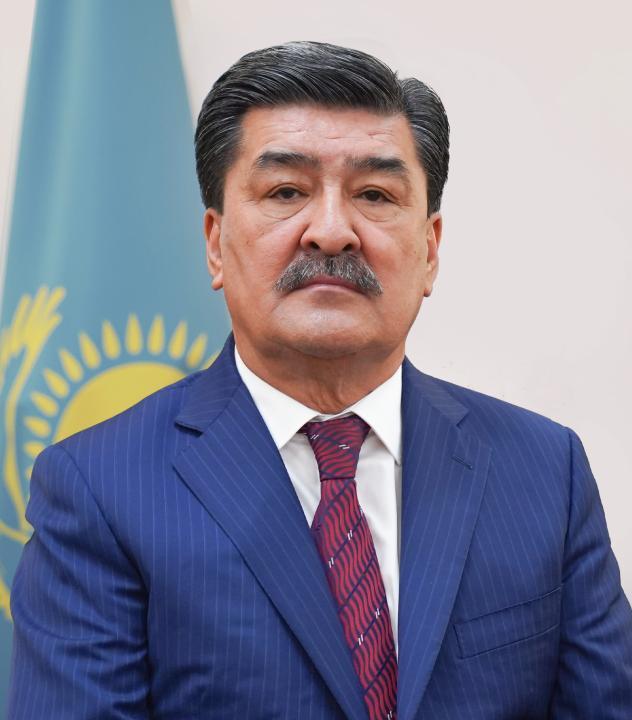
Central Asia Needs Transition To Circular Economy As Practical Necessity - Kazakh Minister
(MENAFN- Trend News Agency)
BAKU, Azerbaijan, April 22. The transition to a
circular economy is becoming a practical necessity, Kazakhstan's
Minister of Ecology and Natural Resources Yerlán Nyssanbayev said
during the Regional Ecological Summit 2026 in Astana, Trend reports.
“Today, countries of Central Asia face similar challenges. Economic growth is accompanied by increasing volumes of waste. The pressure on natural resources is growing. Waste management infrastructure does not always develop at the same pace. In these conditions, the transition to a circular economy is becoming a practical necessity. It allows us to simultaneously support economic development, reduce environmental risks, and improve the quality of life of the population,” Nyssanbayev said.
He noted that the circular economy is not only about waste utilization.
“It is about more rational use of resources, development of innovation, creation of new business opportunities, and formation of modern green jobs,” the minister said.
At the same time, he stressed that one of the key challenges in the region remains the lack of coordination of approaches. Differences in regulation, limited cooperation, and insufficient investment are slowing the spread of successful solutions.
“That is why Kazakhstan has proposed the development of a framework partnership program on the circular economy for Central Asian countries. We see this document as a practical tool that will help harmonize approaches at the national and regional levels, develop a common vision and priorities, create more favorable conditions for investment, and expand the exchange of technologies, data, and best practices,” Nyssanbayev said.

Legal Disclaimer:
MENAFN provides the
information “as is” without warranty of any kind. We do not accept
any responsibility or liability for the accuracy, content, images,
videos, licenses, completeness, legality, or reliability of the information
contained in this article. If you have any complaints or copyright
issues related to this article, kindly contact the provider above.
Most popular stories
Market Research

More Story







Comments
No comment