




403
Sorry!!
Error! We're sorry, but the page you were looking for doesn't exist.
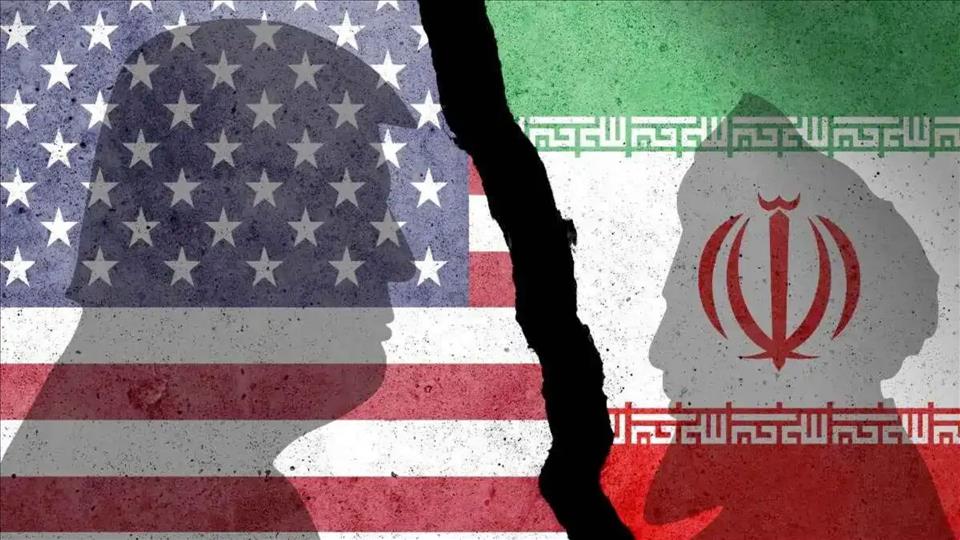
Hormuz Knot: Fragile Ceasefire On Brink
(MENAFN- AzerNews)
AzerNEWS Staff
Read more
The Strait of Hormuz, the world's most critical maritime chokepoint, has once again become the epicenter of global instability. President Trump's post on April 19, 2026, highlights a sharp discrepancy in the perception of the "deal" supposedly reached via Pakistani mediation.
While a two-week ceasefire was announced on April 8, it appears to have been dead on arrival due to conflicting interpretations:
Here, we can observe the situation from two perspectives; US and Iran
From the U.S. perspective President Trump insists that the agreement required Iran to immediately reopen the Strait to all traffic while the U.S. maintained its "BLOCKADE" on Iranian-linked shipping. He views any Iranian military activity, such as the "firing of bullets" at British and French vessels, as a "Total Violation."
And from the Iranian perspective Tehran contends that a ceasefire must be reciprocal. The IRGC has stated that it will not ensure freedom of navigation for the world if its own ports remain under a U.S. naval siege. For Iran, the "Hormuz Knot" is simple: if they cannot export oil, no one can.
Discrepancy in the "Deal"
Trump's claim that Iran is "helping us without knowing" by closing the Strait-arguing it costs Iran $500 million a day while the U.S. "loses nothing"-masks a deeper tactical deadlock.
Economic Leverage vs. Military Might: Trump is betting on "unconditional surrender" through economic strangulation and the threat of total infrastructure destruction ("knock out every single Power Plant").
The "Pakistan Track": Negotiations are set to resume in Islamabad tomorrow. However, the rhetoric remains maximalist. Trump's "No More Mr. Nice Guy" stance suggests that the U.S. is less interested in a middle-ground settlement and more focused on using the current blockade to force a permanent end to the "Iran Killing Machine."
IRGC intelligence: The specter of surprise attack
Compounding the maritime tension is a chilling report from the Islamic Revolutionary Guard Corps (IRGC). Tehran has officially claimed to have received intelligence that the United States and Israel are preparing for a surprise attack on Iran.
"Tehran claims it has received intelligence information indicating that the United States and Israel are preparing for a surprise attack on Iran."
This report serves as the Iranian justification for the "bullets" fired in the Strait. The IRGC views the U.S. naval presence not as a policing force, but as a precursor to an "Operation Epic Fury"-style strike, similar to the devastating opening salvos of February 28. By claiming an imminent threat, the IRGC justifies its "strict management" of the Strait as a defensive necessity rather than a violation of the truce.
Photo: Upstox

Legal Disclaimer:
MENAFN provides the
information “as is” without warranty of any kind. We do not accept
any responsibility or liability for the accuracy, content, images,
videos, licenses, completeness, legality, or reliability of the information
contained in this article. If you have any complaints or copyright
issues related to this article, kindly contact the provider above.
Most popular stories
Market Research

More Story








Comments
No comment