



403
Sorry!!
Error! We're sorry, but the page you were looking for doesn't exist.
Women's Quota Bill Fails In LS Despite Govt Push
(MENAFN- Kashmir Observer)
ADVERTISEMENT
- Falls short of two-thirds majority; 298 support, 230 oppose in vote Oppn calls it 'electoral map change'; govt terms it historic miss
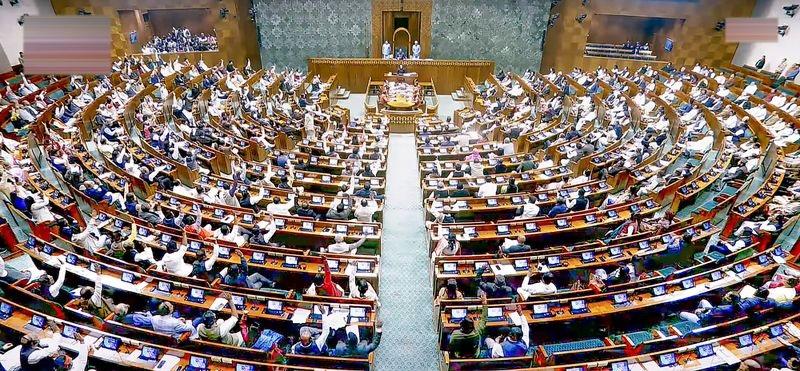
Srinagar- In a major setback to the Centre, a Constitution Amendment Bill seeking to implement 33 per cent reservation for women in legislatures and expand the Lok Sabha to 816 seats was defeated in the Lower House on Friday after it failed to secure the required two-thirds majority.
The Constitution (131st Amendment) Bill garnered 298 votes in favour and 230 against, falling well short of the 352 votes needed for passage. A total of 528 members participated in the voting.
ADVERTISEMENT
The proposed legislation aimed to operationalise women's reservation in Parliament and state assemblies ahead of the 2029 general elections by increasing the strength of the Lok Sabha from the current 543 seats to 816, following a delimitation exercise based on the 2011 Census. It also proposed a corresponding rise in seats across state and Union Territory assemblies.
The defeat marks the first instance of a bill being rejected in Parliament under the government led by Narendra Modi.
Soon after the voting, Lok Sabha Speaker Om Birla adjourned the House for the day, announcing that proceedings would resume on Saturday. The three-day special session of Parliament had been convened from April 16 to 18 to secure approval for the legislation.
Following the setback, Parliamentary Affairs Minister Kiren Rijiju informed the House that the government would not proceed with two other proposed legislations - the Delimitation Bill and the Union Territories Laws (Amendment) Bill - as they were interlinked with the Constitution Amendment Bill.
Rijiju termed the outcome a“lost opportunity” for the country, asserting that the government's efforts to secure women's representation would continue.“We will not rest until women get their rightful place in legislatures,” he said.
Union Home Minister Amit Shah blamed opposition parties, including Congress, TMC, DMK and the Samajwadi Party, for blocking the bill's passage. He criticised opposition leaders for celebrating the outcome, calling it“condemnable” and against the interests of women.
“Women will not get 33 per cent reservation now. Those opposing this will have to answer to the women of this country,” Shah said, warning of political repercussions in future elections.
Read Also Changing India's Electoral Map Anti-national Act: Rahul Centre Notifies Women's Reservation Act in Assemblies, J&K, UTsEarlier, replying to a two-day debate, Shah had attempted to build consensus by offering an official amendment ensuring a 50 per cent increase in Lok Sabha seats across all states and Union Territories. However, the opposition remained unconvinced.
ADVERTISEMENTLeader of Opposition Rahul Gandhi rejected the proposal, alleging that the bill was less about women's empowerment and more about restructuring India's electoral map.“This is not a women's reservation bill but an attempt to alter the country's electoral framework,” he said during the debate.
Prime Minister Modi, who was present during the voting, had earlier appealed to MPs to support the bill, urging them to act in the interest of“nari shakti” and ensure women's rightful participation in decision-making.
The government also pushed back against opposition concerns over delimitation, with Shah asserting that periodic redrawing of constituencies is constitutionally mandated and necessary to uphold the principle of equal representation. He cited disparities in voter size across constituencies, arguing that some seats represent as many as 45 lakh voters while others account for as few as six lakh.
He further dismissed allegations that the exercise would disadvantage southern states or delay caste enumeration, stating that the Cabinet had already approved caste enumeration alongside the upcoming Census.
With the bill's defeat, the government's push to implement women's reservation ahead of the 2029 elections has suffered a significant setback, setting the stage for a sharper political contest over representation, delimitation and electoral reforms in the coming years.
Legal Disclaimer:
MENAFN provides the
information “as is” without warranty of any kind. We do not accept
any responsibility or liability for the accuracy, content, images,
videos, licenses, completeness, legality, or reliability of the information
contained in this article. If you have any complaints or copyright
issues related to this article, kindly contact the provider above.
Most popular stories
Market Research

More Story


Comments
No comment