







403
Sorry!!
Error! We're sorry, but the page you were looking for doesn't exist.
Tail Lift Problems and Maintenance Guide for Hydraulic Systems
(MENAFNEditorial) Tail Lift Real-World Function and Logistics Value
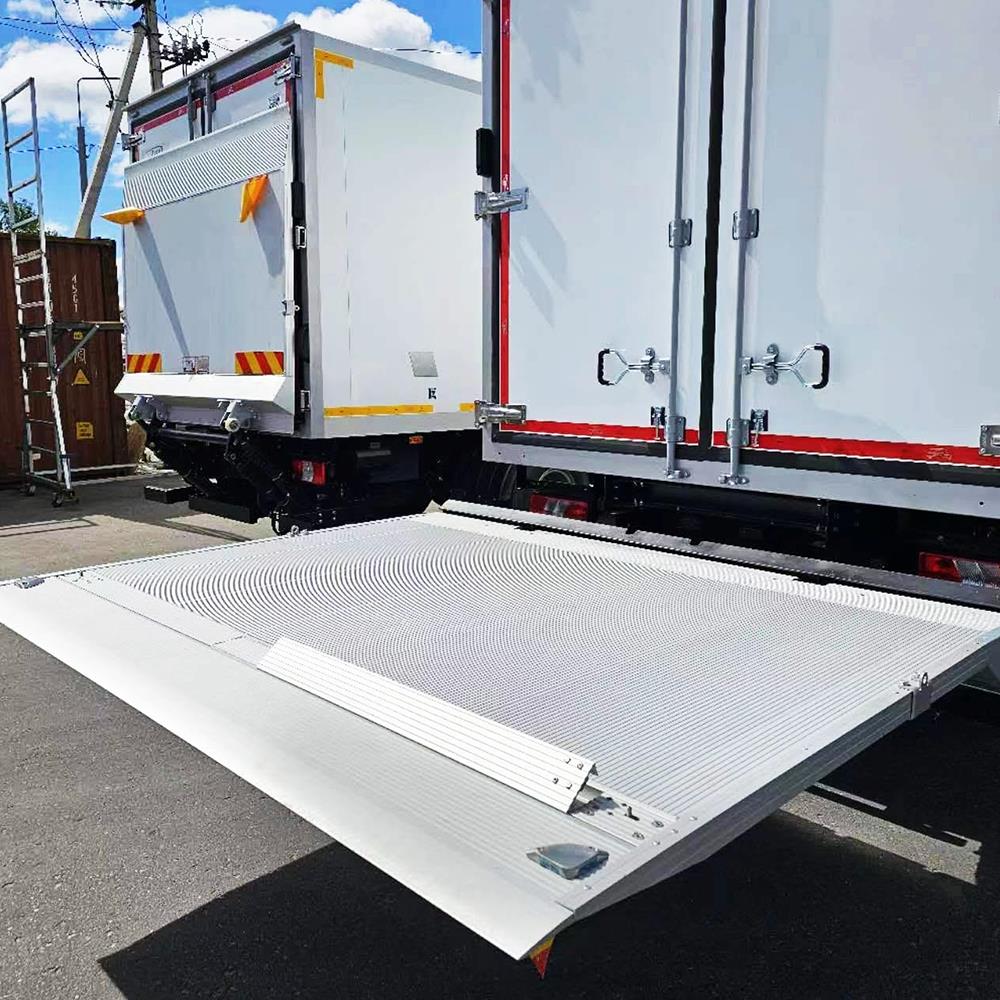
In my long-term experience in logistics equipment engineering and after-sales technical support, tail lift is not a simple auxiliary device, but a highly integrated mechanical and hydraulic system. In particular, hydraulic tail lift system involves mechanical structure, hydraulic power unit, electrical control system, and environmental exposure working together under continuous load conditions. From real project observations, the true value of liftgate tail lift is not only convenience but measurable efficiency improvement. In a city distribution project I once participated in, comparing truck tail lift with manual loading showed that loading time was reduced from around 20 minutes to about 7 minutes per cycle, while labor demand dropped from 2–3 workers to 1. This clearly demonstrates that tail lift lifting system functions as a logistics efficiency multiplier rather than a supporting tool.
Mechanical Structure Risks and Engineering Observations
From field maintenance experience, mechanical issues are often more hidden than hydraulic failures. The tail lift platform gradually develops material fatigue under long-term load cycles. The progression is typically subtle: early stage slight deformation, mid-stage load deviation, and late-stage stress concentration. If structural calibration is not performed regularly, risks accumulate over time. In one fleet maintenance case, heavy duty tail lift units experienced repeated platform sinking issues within 18 months. The root cause was not a single failure but a combination of long-term overloading and lack of structural alignment. In addition, hinge wear, bolt loosening, and support frame fatigue are common mechanical degradation patterns that do not cause immediate failure but continuously reduce safety margins.
Hydraulic System as the Core Failure Source
In maintenance statistics, hydraulic tail lift repair consistently accounts for the highest proportion of service cases. Hydraulic failures typically concentrate in three areas. The first is hydraulic leakage, usually caused by seal aging, hose wear, or loose fittings, resulting in pressure loss and reduced lifting capability. The second is pump degradation; when performance declines, the tail lift lifting system becomes slower, less stable, and inconsistent under load. The third is cylinder malfunction. In truck loading tail lift applications with high-frequency cycles, internal corrosion, seal failure, or piston sticking can significantly affect operational reliability and lead to complete functional interruption in severe cases.
Electrical Control System Failure Patterns
The tail lift control system is responsible for operational logic and motion execution. Although failure frequency is lower compared to hydraulic issues, its impact is often more critical. Common issues include switch failure, which may present as no response or intermittent operation; wiring degradation caused by vibration, friction, or environmental corrosion leading to signal interruption; and control module failure. Once the electronic control unit fails, hydraulic lift tailgate systems may experience startup failure or logic errors that require professional diagnostics to resolve.
Environmental Exposure and Usage Behavior Impact
Long-term exposure to rain, humidity, and road salt significantly accelerates corrosion in tail lift systems. This effect is especially severe in coastal or high-humidity regions. In addition, insufficient lubrication of key moving components increases wear rate over time. Improper usage is another major factor affecting service life, including uneven loading, overload operation, or using the equipment beyond its intended design purpose. These behaviors increase structural stress and accelerate system degradation.
Maintenance Strategy and Engineering Optimization
From an engineering standpoint, the reliability of hydraulic tail lift system does not depend on a single repair action but on a structured maintenance strategy. Regular inspection of hydraulic, electrical, and structural components is essential. Standardized operating procedures and operator training reduce human error significantly. The use of high-quality components improves long-term stability. Most importantly, a preventive maintenance strategy helps shift operations from reactive repair to proactive failure prevention, reducing unexpected downtime.
Conclusion and Beauway Positioning
From overall engineering practice, the performance and reliability of tail lift lifting system depend on the balance between mechanical structure, hydraulic performance, electrical control, and environmental conditions. Any weakness in a single system can affect overall operational stability. With proper maintenance and system-level management, service life and reliability can be significantly improved. In the industrial equipment sector, Beauway focuses on the development and manufacturing of high-reliability tail lift platform and hydraulic tail lift system solutions, delivering engineered products designed for durability, efficiency, and long-term operational stability in global logistics applications.
In my long-term experience in logistics equipment engineering and after-sales technical support, tail lift is not a simple auxiliary device, but a highly integrated mechanical and hydraulic system. In particular, hydraulic tail lift system involves mechanical structure, hydraulic power unit, electrical control system, and environmental exposure working together under continuous load conditions. From real project observations, the true value of liftgate tail lift is not only convenience but measurable efficiency improvement. In a city distribution project I once participated in, comparing truck tail lift with manual loading showed that loading time was reduced from around 20 minutes to about 7 minutes per cycle, while labor demand dropped from 2–3 workers to 1. This clearly demonstrates that tail lift lifting system functions as a logistics efficiency multiplier rather than a supporting tool.
Mechanical Structure Risks and Engineering Observations
From field maintenance experience, mechanical issues are often more hidden than hydraulic failures. The tail lift platform gradually develops material fatigue under long-term load cycles. The progression is typically subtle: early stage slight deformation, mid-stage load deviation, and late-stage stress concentration. If structural calibration is not performed regularly, risks accumulate over time. In one fleet maintenance case, heavy duty tail lift units experienced repeated platform sinking issues within 18 months. The root cause was not a single failure but a combination of long-term overloading and lack of structural alignment. In addition, hinge wear, bolt loosening, and support frame fatigue are common mechanical degradation patterns that do not cause immediate failure but continuously reduce safety margins.
Hydraulic System as the Core Failure Source
In maintenance statistics, hydraulic tail lift repair consistently accounts for the highest proportion of service cases. Hydraulic failures typically concentrate in three areas. The first is hydraulic leakage, usually caused by seal aging, hose wear, or loose fittings, resulting in pressure loss and reduced lifting capability. The second is pump degradation; when performance declines, the tail lift lifting system becomes slower, less stable, and inconsistent under load. The third is cylinder malfunction. In truck loading tail lift applications with high-frequency cycles, internal corrosion, seal failure, or piston sticking can significantly affect operational reliability and lead to complete functional interruption in severe cases.
Electrical Control System Failure Patterns
The tail lift control system is responsible for operational logic and motion execution. Although failure frequency is lower compared to hydraulic issues, its impact is often more critical. Common issues include switch failure, which may present as no response or intermittent operation; wiring degradation caused by vibration, friction, or environmental corrosion leading to signal interruption; and control module failure. Once the electronic control unit fails, hydraulic lift tailgate systems may experience startup failure or logic errors that require professional diagnostics to resolve.
Environmental Exposure and Usage Behavior Impact
Long-term exposure to rain, humidity, and road salt significantly accelerates corrosion in tail lift systems. This effect is especially severe in coastal or high-humidity regions. In addition, insufficient lubrication of key moving components increases wear rate over time. Improper usage is another major factor affecting service life, including uneven loading, overload operation, or using the equipment beyond its intended design purpose. These behaviors increase structural stress and accelerate system degradation.
Maintenance Strategy and Engineering Optimization
From an engineering standpoint, the reliability of hydraulic tail lift system does not depend on a single repair action but on a structured maintenance strategy. Regular inspection of hydraulic, electrical, and structural components is essential. Standardized operating procedures and operator training reduce human error significantly. The use of high-quality components improves long-term stability. Most importantly, a preventive maintenance strategy helps shift operations from reactive repair to proactive failure prevention, reducing unexpected downtime.
Conclusion and Beauway Positioning
From overall engineering practice, the performance and reliability of tail lift lifting system depend on the balance between mechanical structure, hydraulic performance, electrical control, and environmental conditions. Any weakness in a single system can affect overall operational stability. With proper maintenance and system-level management, service life and reliability can be significantly improved. In the industrial equipment sector, Beauway focuses on the development and manufacturing of high-reliability tail lift platform and hydraulic tail lift system solutions, delivering engineered products designed for durability, efficiency, and long-term operational stability in global logistics applications.

Legal Disclaimer:
MENAFN provides the
information “as is” without warranty of any kind. We do not accept
any responsibility or liability for the accuracy, content, images,
videos, licenses, completeness, legality, or reliability of the information
contained in this article. If you have any complaints or copyright
issues related to this article, kindly contact the provider above.
Most popular stories
More Story







Comments
No comment