




403
Sorry!!
Error! We're sorry, but the page you were looking for doesn't exist.
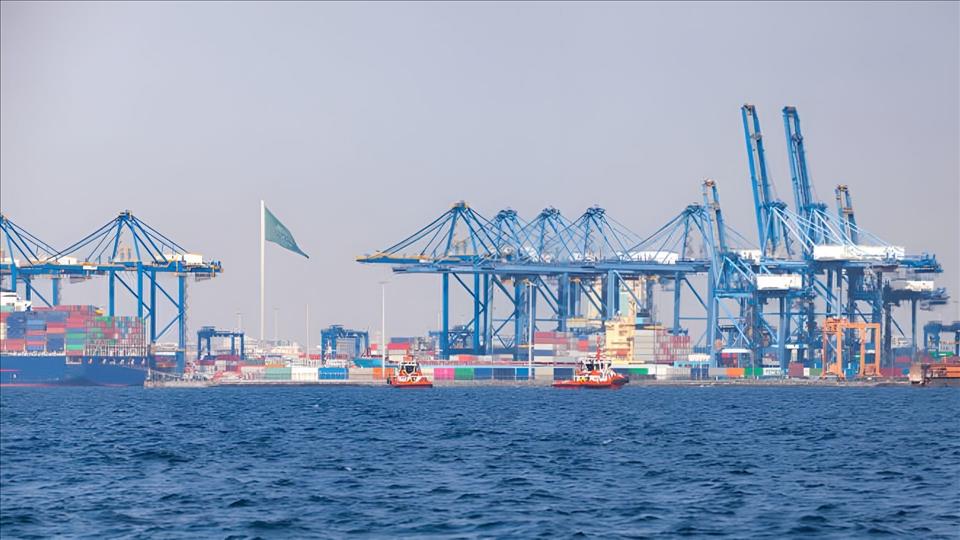
Non-Oil Boom Masks Deeper Risk As Saudi Growth Still Hinges On State Spending
(MENAFN- AzerNews)
Ulviyya Poladova
Read more
Saudi Vision 2030 deploys several policy instruments to reduce dependence on hydrocarbons. Central among them is the Public Investment Fund (PIF), which serves as the primary capital engine for diversification by investing in strategic sectors such as tourism, entertainment, mining, logistics, renewables, and advanced manufacturing. These investments are complemented by sector-specific strategies (mining as a third economic pillar, renewable energy expansion, and industrial localization), along with fiscal reforms including VAT (Value Added Tax) introduction, subsidy rationalization, and efforts to expand non-oil revenues. Labor localization and skills development policies aim to increase domestic participation in higher-value industries.
Dr. Umud Shokri, Senior Visiting Fellow at George Mason
University and Energy Strategist noted that in the short term,
diversification has produced measurable results. Non-oil GDP (Gross
Domestic Product) has grown steadily and now represents a majority
share of total output, and non-oil revenue has increased
significantly. In his comment for AzerNEWS,
economic momentum remains tied to public spending and oil revenues,
meaning fiscal pressure can re-emerge during periods of lower oil
prices or constrained production. In the longer term,
sustainability depends on whether private-sector productivity,
competitiveness, and non-oil exports can replace state-driven
investment as the main growth engine. Megaprojects and new
industries have long gestation periods, and achieving a
knowledge-based economy requires deeper reforms in human capital,
productivity, and innovation capacity.
As the expert stated Saudi Arabia has undertaken regulatory and
institutional reforms to attract private investment and foreign
capital. Key measures include a new investment law that simplifies
market entry, strengthens investor protections, and expands foreign
ownership rights. Updated corporate regulations, privatization
programs, and public-private partnership frameworks aim to reduce
state dominance in commercial activity. Incentives such as tax
benefits under the regional headquarters program and improved
financial market access are designed to encourage multinational
firms and institutional investors to commit capital.
According to the Shokri, these reforms have improved investor sentiment and produced tangible outcomes, including increased foreign direct investment in targeted sectors and greater multinational presence. However, investor confidence remains tempered by structural concerns. The economy still relies heavily on government and PIF spending to drive demand, which raises questions about the durability of private-sector growth independent of state support. Execution risks in large projects, regulatory consistency, and broader geopolitical and fiscal volatility continue to influence investor risk perceptions. The direction of reform is clear, but full de-risking requires consistent implementation and stronger private-sector profitability.
Regional economic coordination can accelerate diversification by
expanding market size, enabling shared infrastructure, and
facilitating cross-border investment. In practice, progress has
been strongest within the Gulf Cooperation Council, where customs
integration, capital market links, energy cooperation, and
coordinated diversification strategies support economic expansion.
Regional investment by the PIF and joint infrastructure and energy
initiatives illustrate the potential for deeper integration.
However, broader regional integration remains uneven. While
economic cooperation in the Gulf provides scale and investment
opportunities, competing national strategies, regulatory
differences, and geopolitical constraints limit the depth of
integration. Stronger alignment in logistics, industrial policy,
tourism, and financial markets could significantly accelerate the
objectives of Vision 2030, but realizing this potential requires
greater policy coordination and reduced economic fragmentation
across the region, added energy strategist.
Photo: Bloomberg

Legal Disclaimer:
MENAFN provides the
information “as is” without warranty of any kind. We do not accept
any responsibility or liability for the accuracy, content, images,
videos, licenses, completeness, legality, or reliability of the information
contained in this article. If you have any complaints or copyright
issues related to this article, kindly contact the provider above.
Most popular stories
Market Research

More Story






Comments
No comment