




403
Sorry!!
Error! We're sorry, but the page you were looking for doesn't exist.
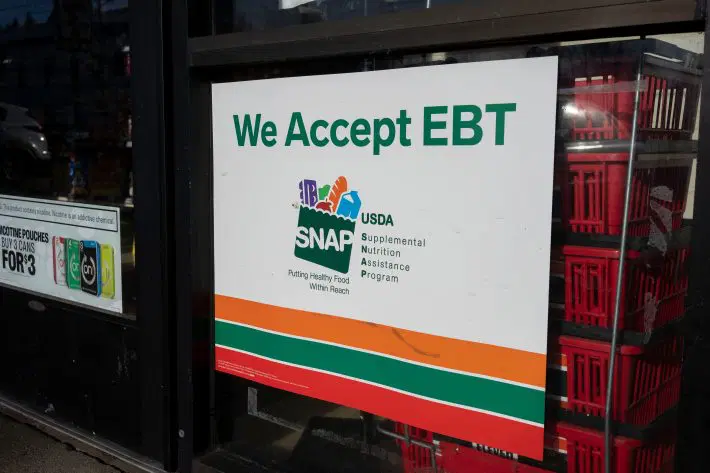
SNAP Rule Changes: Why Seniors May Pay More For Food Under New Restrictions
(MENAFN- Saving Advice) If you rely on SNAP benefits to help cover groceries, recent rule changes could quietly increase your out-of-pocket costs. Across the country, new policies are tightening eligibility, limiting what can be purchased, and adding new requirements... many of which disproportionately affect older Americans. While the program is meant to support low-income households, these updates could make it harder for seniors to qualify or stretch their benefits. For retirees already dealing with rising food prices, that's a serious concern. Here's what's changing and why it may mean paying more at the grocery store.Expanded Work Requirements Are Impacting Older Adults
One of the biggest changes involves expanded work requirements for SNAP eligibility. Under new rules, some adults up to age 64 must now meet work or training requirements to continue receiving benefits. Previously, many in this age group were exempt, especially those nearing retirement.
Now, individuals may need to work at least 20 hours per week or risk losing benefits entirely. For seniors facing health issues or age discrimination in hiring, this requirement can be difficult or even impossible to meet. As a result, SNAP rule changes could push some older adults out of the program altogether.
Stricter Eligibility Rules May Reduce Who QualifiesStates are also being instructed to tighten eligibility verification and enforce stricter guidelines. These changes are designed to reduce improper payments, but they may also exclude people who previously qualified. In some cases, even small documentation issues can delay or deny benefits. For seniors, especially those without easy access to paperwork or digital systems, this creates an additional barrier. These SNAP rule changes could mean fewer people receiving assistance, even if they still need it.
New Restrictions on Food Purchases Could Raise Grocery CostsAnother controversial change involves limiting what SNAP benefits can be used to buy. Some states are exploring or implementing restrictions on items like soda, candy, and certain processed foods. While the goal is to encourage healthier eating, it can reduce flexibility for shoppers.
Seniors on fixed incomes may find fewer affordable options when certain low-cost foods are no longer eligible. In some cases, they may have to pay out-of-pocket for items they previously purchased with benefits.
More Frequent Recertification Adds PressureAnother shift that's affecting seniors is the move toward more frequent recertification. Some areas now require SNAP recipients to reapply or verify eligibility every six months instead of annually. This increases paperwork and administrative hurdles for both applicants and caseworkers.
For older adults, especially those with limited mobility or access to transportation, this can be a major challenge. Missing a recertification deadline can result in temporary or permanent loss of benefits.
State Budget Pressures Could Reduce Benefits Over TimeBehind the scenes, funding changes are also shaping how SNAP operates. New policies are shifting more administrative costs from the federal government to states. In some cases, states may also be required to cover a portion of benefit costs if error rates are too high. This could lead to budget shortfalls, especially in rural or lower-income areas.
When budgets tighten, programs often respond by reducing staff, slowing processing times, or limiting outreach. Over time, these SNAP rule changes could make it harder for seniors to access or maintain benefits.
What This Means for Your Grocery Budget Moving ForwardThe reality is that SNAP rule changes are reshaping how food assistance works and not always in ways that benefit seniors. From stricter eligibility rules to reduced flexibility in food purchases, these updates could lead to higher out-of-pocket costs at a time when many retirees can least afford it.
Small adjustments, like understanding what qualifies or applying for medical expense deductions, can make a meaningful difference. While the system may be changing, being proactive can help you stay one step ahead.
Have you noticed changes in your SNAP benefits or grocery costs recently?

Legal Disclaimer:
MENAFN provides the
information “as is” without warranty of any kind. We do not accept
any responsibility or liability for the accuracy, content, images,
videos, licenses, completeness, legality, or reliability of the information
contained in this article. If you have any complaints or copyright
issues related to this article, kindly contact the provider above.
Most popular stories
Market Research

More Story








Comments
No comment