




403
Sorry!!
Error! We're sorry, but the page you were looking for doesn't exist.
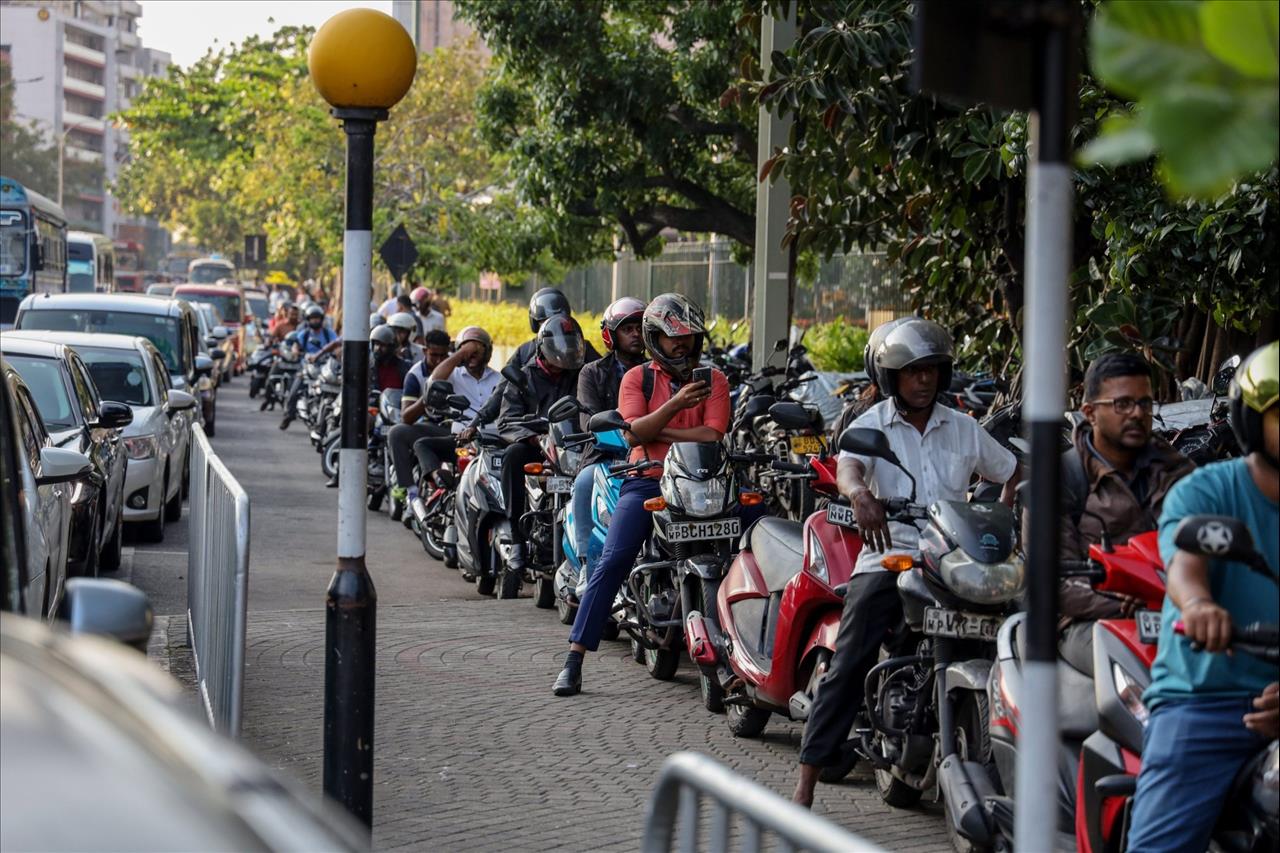
Non-Rich Asian States, Hit Hardest By Iran Crisis, Ration Energy
(MENAFN- Asia Times)
The war in Iran has led to a global energy crisis. Shipping traffic through the Strait of Hormuz, a major energy chokepoint that handles roughly 20% of the world's oil, has been largely blocked by Iran since hostilities broke out in late February. This has, at times, caused oil prices to rise above US$100 a barrel.
As the primary customers of Gulf energy, Asian economies are being hit particularly hard by this crisis. According to figures published by the International Energy Agency in 2025, around 80% of the oil and petroleum products and nearly 90% of the LNG that transited the Strait of Hormuz that year were destined for Asia.
Not all countries in Asia are equally vulnerable. Those most exposed to energy market disruption share a set of structural characteristics: heavy reliance on imported fossil fuels, limited fiscal space and constrained energy systems that make it difficult to switch to alternatives quickly.
Countries such as Bangladesh, Pakistan and Sri Lanka are all heavily dependent on imported oil and gas to meet domestic demand. However, they lack the foreign exchange reserves needed to secure energy supplies in volatile global markets. When prices spike or supplies tighten, these economies are forced into painful trade-offs between energy access, inflation and fiscal stability.
Wealthier Asian economies such as Japan, South Korea, Hong Kong and Singapore have greater financial resources, granting them superior purchasing power in volatile markets. But they, too, are structurally exposed to global energy crises. Their energy systems are also deeply dependent on fuel imported from the Gulf, which leaves them sensitive to supply disruptions.

Legal Disclaimer:
MENAFN provides the
information “as is” without warranty of any kind. We do not accept
any responsibility or liability for the accuracy, content, images,
videos, licenses, completeness, legality, or reliability of the information
contained in this article. If you have any complaints or copyright
issues related to this article, kindly contact the provider above.
Most popular stories
Market Research

More Story






Comments
No comment