




403
Sorry!!
Error! We're sorry, but the page you were looking for doesn't exist.
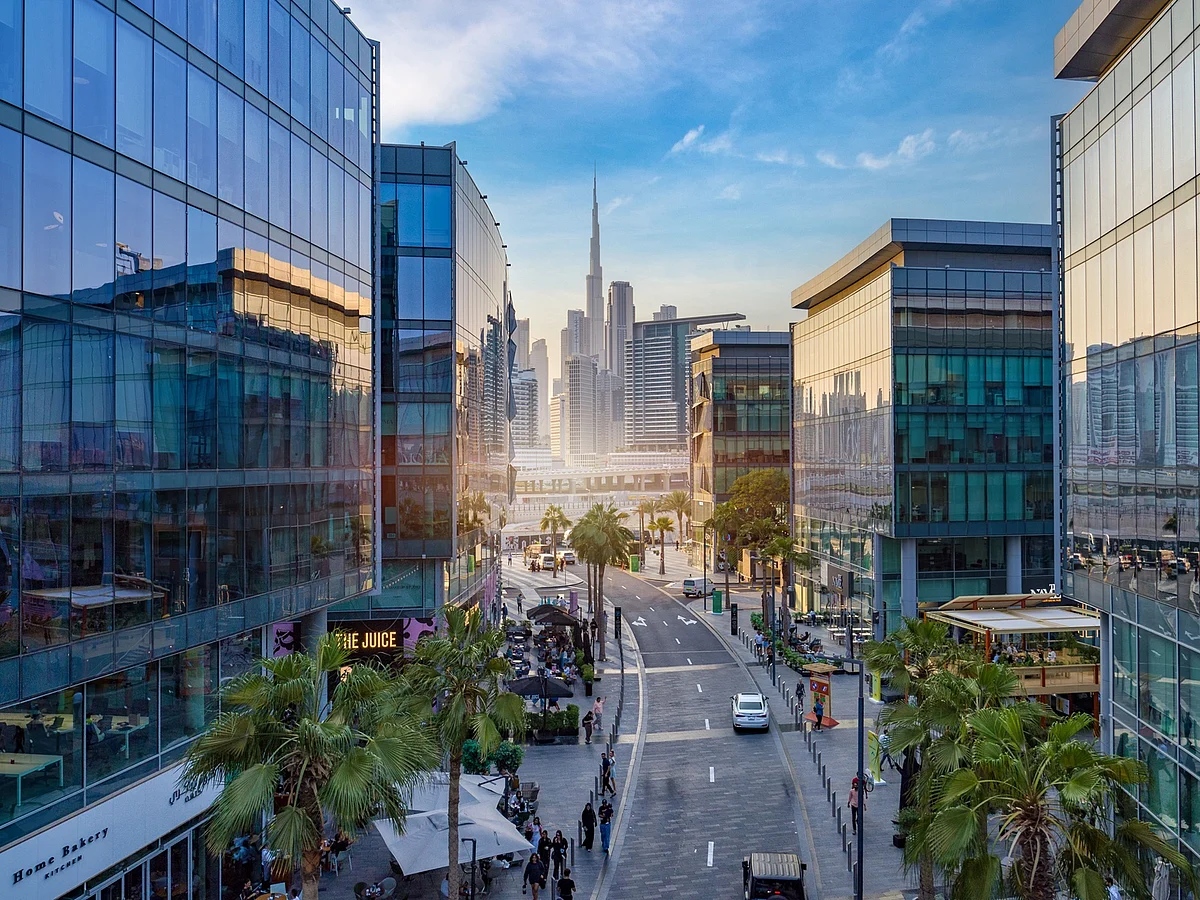
Dubai Real Estate Steadies As Fundamentals Stay Strong
(MENAFN- Khaleej Times) The UAE's property market is showing signs of short-term recalibration rather than retreat as geopolitical tensions in the wider region prompt investors to delay decisions without undermining underlying demand, according to new industry assessments and market data.
Executives at Betterhomes said during a recent market update webinar that recent regional developments have affected sentiment more than fundamentals, with activity slowing modestly but remaining firmly anchored by strong population growth, investor inflows and continued off-plan momentum.
Recommended For You Abu Dhabi tourism surges to record high as Indian visitor numbers jumpTransaction volumes softened in March largely due to seasonal factors including Ramadan, Eid holidays, school breaks and weather-related disruptions, alongside geopolitical caution. However, brokers said daily business activity across Dubai remained stable and investor enquiries continued, indicating a temporary pause rather than a structural shift.
The off-plan segment continues to underpin the market's resilience. New project sales accounted for roughly 70 per cent of transactions over the past year, reflecting sustained appetite from both overseas investors and end-users seeking flexible payment structures and long-term capital appreciation.
Recent figures illustrate that strength. Dubai recorded about 7,983 off-plan transactions worth Dh17.5 billion in March alone, up nearly 13 per cent year-on-year, with strong demand concentrated in growth corridors such as Dubai Islands and Madinat Al Mataar near Al Maktoum International Airport.
Analysts say the continued dominance of off-plan sales reflects confidence in Dubai's long-term expansion strategy, infrastructure upgrades and population growth trajectory. The emirate's population crossed 3.75 million this year and is projected to approach 4 million before the end of the decade, reinforcing structural housing demand.
Developers including Emaar Properties, Omniyat, Sobha Realty and Danube Properties continue to launch projects across multiple price segments, supported by investor-friendly payment plans and strong rental yield expectations averaging between 6 and 8 per cent in prime communities.
Market participants note that buyer behaviour is becoming more selective after several years of rapid price growth. Asking prices have adjusted by about 13 per cent in some segments, reflecting a healthy correction rather than distress selling.
Industry consultants say such adjustments are typical during periods of global uncertainty and often help sustain longer-term market stability.
According to Property Finder data, Dubai recorded one of its strongest first quarters on record in 2026, with sustained demand from international buyers from Europe, India, China and the CIS countries continuing to support transaction volumes.
“Dubai's property market fundamentals remain intact, supported by strong economic growth, investor-friendly policies and sustained inflows of high-net-worth individuals,” analysts at Knight Frank said in a recent outlook note, adding that geopolitical volatility historically has had only temporary effects on transaction activity in the emirate.
CBRE echoed that view, noting that population expansion, job creation in financial and technology sectors, and long-term infrastructure investment linked to the Dubai Economic Agenda D33 are reinforcing real estate demand across residential segments.
The leasing market also showed early signs of stabilisation after a brief slowdown. Enquiries declined by roughly 40 per cent in early March before recovering gradually later in the month as residents resumed relocation plans after seasonal disruptions. At the same time, additional supply from so-called accidental landlords has created a more balanced rental environment, easing pressure in some mid-market communities.
Despite the short-term moderation in activity, Dubai continues to rank among the world's most attractive destinations for real estate investment. According to Henley & Partners estimates, the UAE is expected to remain one of the leading global recipients of millionaire migration this year, a trend that continues to support premium and waterfront developments.
Analysts say the broader macroeconomic backdrop remains supportive. The UAE's diversified non-oil economy, strong banking liquidity, long-term residency reforms and infrastructure expansion continue to underpin investor confidence even during periods of regional uncertainty.
Betterhomes executives emphasised that the current phase marks a shift toward more disciplined pricing and informed decision-making rather than weakening demand.
“The fundamentals driving Dubai's property market - population growth, investor confidence and long-term economic diversification - remain firmly in place,” they said, describing the recent slowdown as a“measured pause” consistent with a maturing market cycle rather than the start of a downturn.
With off-plan launches continuing, rental yields staying competitive and global capital flows intact, the UAE property sector appears to be recalibrating - not retreating - as it transitions into a more selective but still expansionary phase.

Legal Disclaimer:
MENAFN provides the
information “as is” without warranty of any kind. We do not accept
any responsibility or liability for the accuracy, content, images,
videos, licenses, completeness, legality, or reliability of the information
contained in this article. If you have any complaints or copyright
issues related to this article, kindly contact the provider above.
Most popular stories
Market Research

More Story






Comments
No comment