







403
Sorry!!
Error! We're sorry, but the page you were looking for doesn't exist.
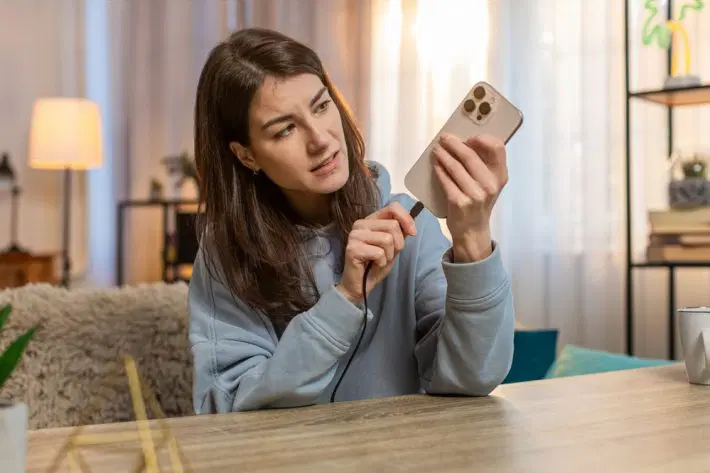
The $10 Phone Charger That Can Burn Down A Bedroom - What Shoppers Don't Know About Knockoff Cables
(MENAFN- Saving Advice) That $10 phone charger sitting next to your bed might seem like a harmless bargain, but it could be one of the most dangerous items in your home. Cheap, knockoff charging cables and power blocks are increasingly being linked to overheating, electrical failures, and even house fires. What's worse, many of these products look identical to trusted brands, making it nearly impossible for the average shopper to spot the difference. Fire officials and consumer safety experts are now warning that counterfeit and low-quality chargers are behind a growing number of incidents. Here's what you need to know.Why Cheap Phone Chargers Are More Dangerous Than They Look
At first glance, most charging cables appear identical, but the internal components tell a very different story. Cheap or counterfeit chargers often lack critical safety features like proper insulation, voltage regulation, and surge protection.
This means they can deliver inconsistent electrical current, which increases the risk of overheating and short circuits. Unlike certified chargers, these knockoffs may use thinner wires and inferior materials that degrade quickly. Over time, that small $10 purchase can turn into a serious safety hazard.
There are real cases of chargers overheating and causing damage. In recent years, hundreds of thousands of portable chargers have been recalled due to fire risks tied to overheating batteries. Some incidents have resulted in burned furniture, smoke damage, and even injuries to users. Reports show chargers can expand, melt, or ignite while actively charging devices. The danger becomes even greater when these devices are used overnight or left unattended.
Knockoff Chargers Often Lack Safety ComponentsOne of the biggest issues with cheap phone chargers is what's missing inside. Authentic chargers include dozens of components designed to regulate power and prevent overheating. Counterfeit versions may skip many of these parts entirely, leaving your device exposed to electrical surges.
Without proper safeguards, even normal charging can become dangerous. This is why two chargers that look identical on the outside can behave very differently in use.
It's also important to note that cheap cables often use thinner wiring and lower-quality insulation to cut costs. These materials can't handle sustained electrical flow as effectively, causing heat to build up quickly. Over time, this heat can weaken the cable, damage your phone, or spark a fire.
Fraying or discoloration is often an early warning sign of this problem. Unfortunately, many people ignore these signs until it's too late.
Charging Overnight Makes the Risk WorseMany people plug in their phones before bed and leave them charging for hours unattended. While convenient, this habit significantly increases the risk when using low-quality chargers. Extended charging puts stress on the cable and battery, raising temperatures over time.
If something goes wrong, you may not notice until damage has already occurred. Charging under pillows or on soft surfaces like beds makes the situation even more dangerous.
Fires Can Start Without WarningPerhaps the most alarming part is how quickly things can escalate. Chargers linked to recalls have been reported to overheat, expand, and ignite without much warning. In some cases, devices have caused fires that spread to nearby furniture or bedding. Even a small spark can lead to significant property damage if left unchecked.
Counterfeit Products Are Flooding Online MarketplacesOne of the biggest reasons this issue is growing is the explosion of third-party sellers online. Counterfeit chargers are often sold through major platforms, making them appear legitimate. Experts have found that a majority of tested knockoff cables failed basic safety checks. Some even falsely claim to be certified or approved by major brands.
How to Spot a Dangerous Charger Before It's Too LateYou can protect yourself by keeping an eye out for signs that your charger isn't safe. Here are some things to look for...
- Suspiciously low prices are often the first red flag, especially if the product claims to be“premium.” Look for official certifications like UL, CE, or manufacturer-approved labels, though even these can sometimes be faked. Poor build quality, such as loose connectors or flimsy cables, is another warning sign. If your charger gets unusually hot, makes noises, or smells like burning plastic, stop using it immediately.
Overall, investing in a certified charger from a reputable brand is the best way to reduce your risk. While it may cost a little more upfront, it provides consistent power delivery and built-in safety protections.
You should also avoid unknown third-party sellers and stick to trusted retailers. Also, never leave your phone charging on flammable surfaces like beds or couches.
A $10 Shortcut That Could Cost You EverythingThat bargain charger might save you a few dollars today, but it could cost you far more in the long run. From damaged devices to potential house fires, the risks far outweigh the savings. Choosing safer, certified products and avoiding common charging mistakes can protect both your home and your family. So, the next time you're tempted by a cheap cable, think twice. Because when it comes to electrical safety, cutting corners is never worth it.
Do you use cheap phone chargers, or has this changed how you think about what you plug in overnight?

Legal Disclaimer:
MENAFN provides the
information “as is” without warranty of any kind. We do not accept
any responsibility or liability for the accuracy, content, images,
videos, licenses, completeness, legality, or reliability of the information
contained in this article. If you have any complaints or copyright
issues related to this article, kindly contact the provider above.
Most popular stories
Market Research

More Story






Comments
No comment