




403
Sorry!!
Error! We're sorry, but the page you were looking for doesn't exist.
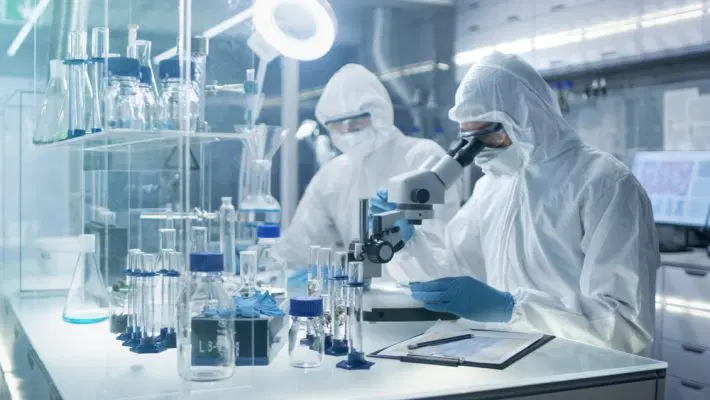
New Antibiotic Kills Drug‐Resistant Superbugs - First Of Its Kind In Decades
(MENAFN- Saving Advice) Doctors have been warning patients about the growing threat of“superbugs” for years. These bacteria no longer respond to existing treatments, leaving patients vulnerable to infection. But all of that is about to change. Scientists have developed a new antibiotic that could finally turn the tide. This breakthrough is especially significant because it represents one of the first truly new approaches to fighting drug-resistant infections in decades. Researchers say this new antibiotic has shown powerful results against some of the most dangerous pathogens. Here is what has been revealed about this new antibiotic so far, and how it could impact healthcare.Why Superbugs Have Become a Global Health Crisis
Drug-resistant bacteria are no longer a distant concern. They're a growing reality in hospitals and communities around the world. According to the World Health Organization, resistance to antibiotics has been increasing steadily in recent years.
In fact, one in six bacterial infections is now resistant to standard treatments. This makes infections harder to treat, increases hospital stays, and raises the risk of death. Even routine procedures like surgeries or chemotherapy can become more dangerous when antibiotics stop working. That's why the development of a new antibiotic is such a critical milestone.
A New Antibiotic That Works in a Completely Different WayWhat makes this new antibiotic so important is how it attacks bacteria. Unlike traditional drugs, which often target the same biological pathways, this one works through a novel mechanism. For example, compounds like bottromycin disrupt bacterial protein synthesis in ways existing drugs cannot. This makes it harder for bacteria to develop resistance quickly. It also opens the door for entirely new classes of treatments.
Hidden Discoveries Are Unlocking Powerful New CompoundsOne of the most exciting aspects of this new antibiotic is where it came from. Researchers discovered powerful compounds hiding within bacteria that had been studied for decades. One example, pre-methylenomycin C lactone, was found to be over 100 times more effective than earlier versions.
It was essentially“hiding in plain sight” as part of a natural process scientists had overlooked. This suggests that many more life-saving drugs could still be waiting to be discovered. Scientists are now re-examining known organisms with fresh eyes.
Early Tests Show Strong Results Against Deadly SuperbugsInitial lab and preclinical studies are showing promising results for this new antibiotic. It has demonstrated effectiveness against dangerous pathogens like MRSA and VRE, which are notoriously difficult to treat.
In some cases, researchers have not observed resistance developing during testing. That's a major breakthrough, since resistance is the biggest challenge in antibiotic development. These early findings suggest the drug could remain effective longer than many current treatments.
Some New Antibiotics Are Already Moving Toward Human TrialsThis isn't just a lab experiment. Some new antibiotics are already progressing toward real-world use. A drug called zosurabalpin, for example, is one of the first new antibiotic classes in over 50 years and is moving into human trials.
It targets a highly dangerous superbug known as carbapenem-resistant Acinetobacter baumannii. This type of bacteria is considered an urgent global threat due to its resistance to nearly all existing drugs. If successful, these trials could lead to the first major antibiotic breakthrough in decades.
Why Antibiotic Innovation Has Been So SlowYou might wonder why it's taken so long to develop a new antibiotic. The answer is complicated, but one major issue is economics. Pharmaceutical companies often focus on drugs that provide long-term profits, while antibiotics are typically used for short periods. At the same time, scientific challenges make discovery difficult and expensive. In fact, experts warn that the pipeline for new antibiotics has been shrinking in recent years. This makes each new antibiotic discovery even more important.
What This Means for Patients and the Future of MedicineFor patients, a new antibiotic could mean more effective treatments and fewer complications. It could also reduce the need for last-resort drugs that often come with serious side effects. In hospitals, it may help control outbreaks of resistant infections. For the medical community, it represents a new strategy for staying ahead of evolving bacteria. Most importantly, it signals that innovation in this field is far from over.
A Turning Point in the Fight Against SuperbugsThe development of a new antibiotic capable of killing drug-resistant superbugs could mark a turning point in modern medicine. After decades of limited progress, scientists are finally breaking through some of the biggest barriers. While challenges remain, the discovery proves that new solutions are still possible. For patients, doctors, and researchers, this breakthrough offers renewed optimism. And in the battle against superbugs, that optimism is something we desperately need.
Would you feel more confident about healthcare knowing new antibiotics are being developed, or are you still concerned about superbugs? Share your thoughts in the comments!

Legal Disclaimer:
MENAFN provides the
information “as is” without warranty of any kind. We do not accept
any responsibility or liability for the accuracy, content, images,
videos, licenses, completeness, legality, or reliability of the information
contained in this article. If you have any complaints or copyright
issues related to this article, kindly contact the provider above.
Most popular stories
Market Research

More Story








Comments
No comment