




403
Sorry!!
Error! We're sorry, but the page you were looking for doesn't exist.
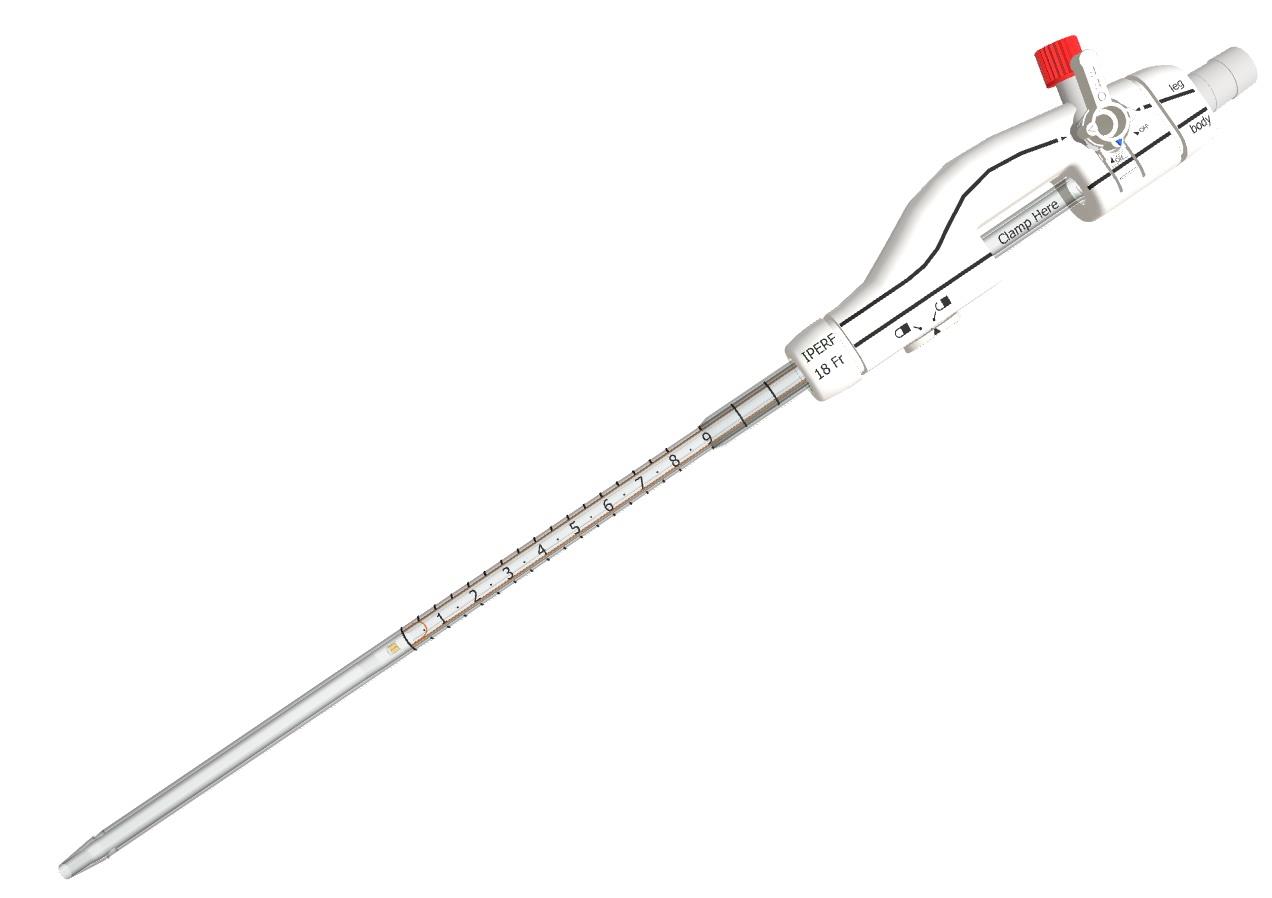
iPerf enrolls first patient in clinical trial of innovative dual-flow femoral arterial cannula for cardiopulmonary support
(MENAFN- ALA Group) •First-ever dual-flow device designed to prevent severe vascular complications and amputations when performing critical heart and lung life-support techniques (ECMO and CPB)
•Innovation driven by company co-founder, thoracic and vascular surgeon Professor Pierre Mordant, with his 15+ years’ expertise in cardiopulmonary support
•First patient cannulated (connected to life-support circuit) as part of clinical trial enrolling 15 participants
Lyon, France, March 24, 2026 – iPerf, a company specializing in the development of innovative medical devices for cardiopulmonary support, today announces the first use of its new dual-flow femoral arterial cannula in a human patient. This transformative device integrates an additional flow to prevent the risk of limb ischemia in the cannulated leg, a major challenge in critical care and cardiac surgery, and features an innovative positioning system for percutaneous placement, ensuring greater precision for clinicians.
The device is designed to reduce the severe complications associated with ECMO (Extra-Corporeal Membrane Oxygenation) and CPB (CardioPulmonary Bypass) cannulas, used in cases of cardiac failure associated with myocardial infarction, aggravation of a cardiac pathology, major cardiothoracic surgery or even as part of minimally invasive cardiac surgery.
Developed by the co-founder of iPerf, Professor Pierre Mordant, thoracic and vascular surgeon at the Hôpital Bichat (AP HP, Paris-Cité University), this innovation is the first solution of its kind.
During surgery or in the interim prior to definitive treatment, ECMO and CPB cardiopulmonary support devices temporarily take over the function of the heart by pumping and oxygenating blood to maintain organ perfusion. When a cannula is inserted into the femoral artery to start extracorporeal circulation, blood is directed to the upper body where vital organs are located. However, obstruction of the artery at the point of insertion often causes lower limb ischemia, due to the cannulated leg not receiving oxygenated blood. Approximately 20% to 30% of patients present vascular complications and 10% to 15% develop acute ischemia that can lead to amputation.
Segmenting blood flow in two to prevent complications
The iPerf device enables 90% of blood to flow directly to the upper body and vital organs, while 10% is diverted to the cannulated lower limb. The iPerf dual-flow cannula also maintains secondary blood perfusion in the leg, in contrast to most conventional cannulas that exclusively perfuse the patient’s upper body. The device uses a retractable positioning system to ensure safe and optimal delivery of the secondary blood flow, i.e. the part of the flow that is diverted to the patient’s leg.
“Lower limb ischemic complications are a real risk in circulatory support in cardiac surgery. During the intervention with our first patient, the device fitted naturally during the procedure,” said Dr. Pierre Demondion, thoracic and cardiovascular surgeon, who operated on the first patient. “This simple and elegant solution could represent an important step for the safety of patients, not only in cases of circulatory support, but also for CPB with femoral cannulation (minimally invasive, aortic or redux surgery) to avoid any risk of ischemic complications.”
The first patient was recruited as part of a clinical trial conducted at the Jacques Cartier Private Hospital in Massy, with a team comprising three surgeons and an anesthesiologist: Professors Doguet and Amour, and Doctors Demondion and Levy-Praschker. The patient received the device as part of a minimally invasive cardiac surgery: a SAVR (Surgical Aortic Valve Replacement) by mini-sternotomy with peripheral CPB. The trial, which will include 15 patients receiving cardiopulmonary support for less than six hours, will enable evaluation of the device’s safety and the quality of lower limb perfusion with a view to preventing ischemic complications. Participants will receive several weeks’ follow-up to confirm the expected benefits.
“Femoro-femoral ECMO cannulation carries a significant risk of limb ischemia, a serious complication in critical care,” said Professor Julien Amour, anesthesiologist and perfusionist in cardiovascular and thoracic surgery, who also operated on the first patient in the study. “Beyond the ease of insertion, this innovative device aims to protect the cannulated limb by supporting perfusion of the superficial femoral artery, while avoiding the thrombosis common to the reperfusion cannulas available on the market. The clinical implications for managing these patients are very promising.”
A patented device with significant growth prospects
The AP-HP filed patents for the technology, for which iPerf holds an exclusive worldwide license. GLP compliant in vivo preclinical studies provided conclusive results, paving the way for these first in human trials, with iPerf receiving authorization from the ANSM (French national agency for the safety of drugs and medical devices) in November 2025.
ECMO and CPB procedures are widely used, with more than a million procedures worldwide in 2025 . The global market for cardiopulmonary support is expected to reach $2.8 billion in 2032, driven by cases of cardiopulmonary failure, increasing use of ECMO in intensive care, development of its use in off-premises emergencies and the growth of minimally invasive cardiac surgery.
“Our device has great potential and is likely to become the gold standard for extracorporeal circulation. This first clinical study marks a major step for iPerf, after successfully overcoming the riskiest stages of development,” said Maya Bertron, iPerf CEO. “We are working on a Series A funding round and simultaneously looking at establishing industrial partnerships with different key players. We are convinced that the results of this trial will generate strong interest from practitioners, investors and international medical technology companies.”
Second trial planned with a cannula integrating additional functionality
In 2027, a second clinical study aimed specifically at ECMO cardiopulmonary support will follow this initial study focused on minimally invasive cardiac surgery. iPerf will use the device during specific procedures associated with a heightened risk of ischemic complications due to their duration extending up to several weeks. The cannula will integrate an innovative anti-thrombogenic function.
“It is important to sustain R&D investment in new surgical devices in France,” said Professor Fabien Doguet, cardiovascular and thoracic surgeon, principal investigator of the study. “Starting out with an everyday problem and coming up with innovative solutions is the best way to advance our specialist fields. iPerf subscribes to this mindset and we are proud to contribute.”
About the Jacques Cartier Private Hospital
Through its general and specialized surgical activities, 24/7 emergency department and highly developed medical imaging department, the Jacques Cartier Private Hospital is a benchmark center, located in the south of Paris. Its center of excellence in cardiology and adult cardiac surgery is recognized throughout the world, thanks to the reputation of its practitioners and the quality of its infrastructure.
About iPerf
iPerf is a French company specializing in the development of medical devices for cardiopulmonary support. AP-HP filed three patents to protect the company’s technological innovations, granting the start-up an exclusive worldwide license. After producing 1,500 prototypes and validating the preclinical phase, the company launched a clinical trial in 2026, successfully operating on its first patient.
Professor Pierre Mordant, MD, PhD, thoracic and vascular surgeon at the Hôpital Bichat (AP HP), highly respected for his work on the limitations of conventional cannulas used for cardiopulmonary support, co-founded the company alongside Maya Bertron, renowned for his corporate finance experience, most notably in private equity and the initial public offerings of biotech and medtech companies.
Founded in 2021 with €5 million in funding from entrepreneurs and private investors, iPerf concentrates its resources on researching and developing cutting-edge solutions aimed at improving the management of patients receiving cardio pulmonary support.
•Innovation driven by company co-founder, thoracic and vascular surgeon Professor Pierre Mordant, with his 15+ years’ expertise in cardiopulmonary support
•First patient cannulated (connected to life-support circuit) as part of clinical trial enrolling 15 participants
Lyon, France, March 24, 2026 – iPerf, a company specializing in the development of innovative medical devices for cardiopulmonary support, today announces the first use of its new dual-flow femoral arterial cannula in a human patient. This transformative device integrates an additional flow to prevent the risk of limb ischemia in the cannulated leg, a major challenge in critical care and cardiac surgery, and features an innovative positioning system for percutaneous placement, ensuring greater precision for clinicians.
The device is designed to reduce the severe complications associated with ECMO (Extra-Corporeal Membrane Oxygenation) and CPB (CardioPulmonary Bypass) cannulas, used in cases of cardiac failure associated with myocardial infarction, aggravation of a cardiac pathology, major cardiothoracic surgery or even as part of minimally invasive cardiac surgery.
Developed by the co-founder of iPerf, Professor Pierre Mordant, thoracic and vascular surgeon at the Hôpital Bichat (AP HP, Paris-Cité University), this innovation is the first solution of its kind.
During surgery or in the interim prior to definitive treatment, ECMO and CPB cardiopulmonary support devices temporarily take over the function of the heart by pumping and oxygenating blood to maintain organ perfusion. When a cannula is inserted into the femoral artery to start extracorporeal circulation, blood is directed to the upper body where vital organs are located. However, obstruction of the artery at the point of insertion often causes lower limb ischemia, due to the cannulated leg not receiving oxygenated blood. Approximately 20% to 30% of patients present vascular complications and 10% to 15% develop acute ischemia that can lead to amputation.
Segmenting blood flow in two to prevent complications
The iPerf device enables 90% of blood to flow directly to the upper body and vital organs, while 10% is diverted to the cannulated lower limb. The iPerf dual-flow cannula also maintains secondary blood perfusion in the leg, in contrast to most conventional cannulas that exclusively perfuse the patient’s upper body. The device uses a retractable positioning system to ensure safe and optimal delivery of the secondary blood flow, i.e. the part of the flow that is diverted to the patient’s leg.
“Lower limb ischemic complications are a real risk in circulatory support in cardiac surgery. During the intervention with our first patient, the device fitted naturally during the procedure,” said Dr. Pierre Demondion, thoracic and cardiovascular surgeon, who operated on the first patient. “This simple and elegant solution could represent an important step for the safety of patients, not only in cases of circulatory support, but also for CPB with femoral cannulation (minimally invasive, aortic or redux surgery) to avoid any risk of ischemic complications.”
The first patient was recruited as part of a clinical trial conducted at the Jacques Cartier Private Hospital in Massy, with a team comprising three surgeons and an anesthesiologist: Professors Doguet and Amour, and Doctors Demondion and Levy-Praschker. The patient received the device as part of a minimally invasive cardiac surgery: a SAVR (Surgical Aortic Valve Replacement) by mini-sternotomy with peripheral CPB. The trial, which will include 15 patients receiving cardiopulmonary support for less than six hours, will enable evaluation of the device’s safety and the quality of lower limb perfusion with a view to preventing ischemic complications. Participants will receive several weeks’ follow-up to confirm the expected benefits.
“Femoro-femoral ECMO cannulation carries a significant risk of limb ischemia, a serious complication in critical care,” said Professor Julien Amour, anesthesiologist and perfusionist in cardiovascular and thoracic surgery, who also operated on the first patient in the study. “Beyond the ease of insertion, this innovative device aims to protect the cannulated limb by supporting perfusion of the superficial femoral artery, while avoiding the thrombosis common to the reperfusion cannulas available on the market. The clinical implications for managing these patients are very promising.”
A patented device with significant growth prospects
The AP-HP filed patents for the technology, for which iPerf holds an exclusive worldwide license. GLP compliant in vivo preclinical studies provided conclusive results, paving the way for these first in human trials, with iPerf receiving authorization from the ANSM (French national agency for the safety of drugs and medical devices) in November 2025.
ECMO and CPB procedures are widely used, with more than a million procedures worldwide in 2025 . The global market for cardiopulmonary support is expected to reach $2.8 billion in 2032, driven by cases of cardiopulmonary failure, increasing use of ECMO in intensive care, development of its use in off-premises emergencies and the growth of minimally invasive cardiac surgery.
“Our device has great potential and is likely to become the gold standard for extracorporeal circulation. This first clinical study marks a major step for iPerf, after successfully overcoming the riskiest stages of development,” said Maya Bertron, iPerf CEO. “We are working on a Series A funding round and simultaneously looking at establishing industrial partnerships with different key players. We are convinced that the results of this trial will generate strong interest from practitioners, investors and international medical technology companies.”
Second trial planned with a cannula integrating additional functionality
In 2027, a second clinical study aimed specifically at ECMO cardiopulmonary support will follow this initial study focused on minimally invasive cardiac surgery. iPerf will use the device during specific procedures associated with a heightened risk of ischemic complications due to their duration extending up to several weeks. The cannula will integrate an innovative anti-thrombogenic function.
“It is important to sustain R&D investment in new surgical devices in France,” said Professor Fabien Doguet, cardiovascular and thoracic surgeon, principal investigator of the study. “Starting out with an everyday problem and coming up with innovative solutions is the best way to advance our specialist fields. iPerf subscribes to this mindset and we are proud to contribute.”
About the Jacques Cartier Private Hospital
Through its general and specialized surgical activities, 24/7 emergency department and highly developed medical imaging department, the Jacques Cartier Private Hospital is a benchmark center, located in the south of Paris. Its center of excellence in cardiology and adult cardiac surgery is recognized throughout the world, thanks to the reputation of its practitioners and the quality of its infrastructure.
About iPerf
iPerf is a French company specializing in the development of medical devices for cardiopulmonary support. AP-HP filed three patents to protect the company’s technological innovations, granting the start-up an exclusive worldwide license. After producing 1,500 prototypes and validating the preclinical phase, the company launched a clinical trial in 2026, successfully operating on its first patient.
Professor Pierre Mordant, MD, PhD, thoracic and vascular surgeon at the Hôpital Bichat (AP HP), highly respected for his work on the limitations of conventional cannulas used for cardiopulmonary support, co-founded the company alongside Maya Bertron, renowned for his corporate finance experience, most notably in private equity and the initial public offerings of biotech and medtech companies.
Founded in 2021 with €5 million in funding from entrepreneurs and private investors, iPerf concentrates its resources on researching and developing cutting-edge solutions aimed at improving the management of patients receiving cardio pulmonary support.

Legal Disclaimer:
MENAFN provides the
information “as is” without warranty of any kind. We do not accept
any responsibility or liability for the accuracy, content, images,
videos, licenses, completeness, legality, or reliability of the information
contained in this article. If you have any complaints or copyright
issues related to this article, kindly contact the provider above.
Most popular stories
Market Research

More Story








Comments
No comment