



403
Sorry!!
Error! We're sorry, but the page you were looking for doesn't exist.
The Commodities Feed: LNG Supply Disruptions Now A Long-Term Problem As Iran Hits Qatari Facilities
(MENAFN- ING)
Energy – Qatari LNG set for multiyear disruption
European natural gas prices surged to an intraday high of EUR74/MWh yesterday. Though the front-month contract settled at EUR61.85/MWh, prices were still up 13% on the day. This comes as the market digests the impact from Iranian attacks on Qatari LNG infrastructure.
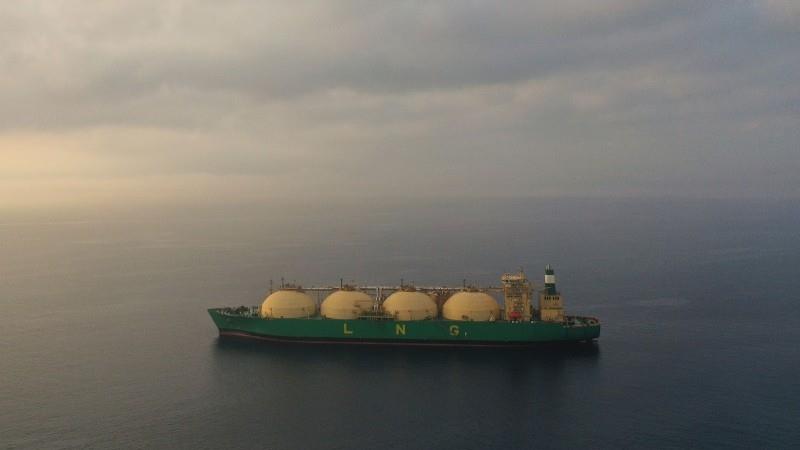
The global LNG market is set to be tighter than originally expected for the foreseeable future following Iranian attacks on Ras Laffen in Qatar. According to Qatar Energy, the attacks have impacted 17% of the site's LNG export capacity. This is equivalent to just over 17 bcm, around 3% of global LNG trade. It could take 3-5 years to bring this capacity back online. When you factor in this disruption, along with delays in the start-up of new export capacity from Qatar, it's no surprise that the TTF forward curve has moved quite a bit higher through 2027 just over the last day. The market is starting to price in a longer supply disruption. Also, the large global LNG surplus that the market had expected through 2027 is looking much more elusive.
ICE Brent eased from its intraday high of $119/bbl yesterday, with it trading back below $108/bbl. This comes after Israel said it would no longer target Iranian energy infrastructure. There are also suggestions that President Trump may ease some sanctions on Iranian oil to help limit price gains. Additional downward pressure reflects the US administration ruling out export restrictions on oil. There were suggestions of such a move. This added to the growing disconnect between Brent and WTI, with the Brent-WTI spread trading to $13/bbl, the widest level since 2014.
Iranian attacks on neighbouring energy infrastructure are also affecting the refined products market, which continues to strengthen. The prompt ICE gasoil timespread surged to a backwardation of $160/t, while the May gasoil crack surged above $45/bbl. The jet fuel market is also tightening, as reflected in the continued strength in the jet regrade. According to Insights Global, gasoil inventories in the ARA region fell by 105kt week-on-week to 2.09mt, while jet inventory fell by 42kt WoW to 737kt.
Metals - Metals sell off amid broader market routMetals were under heavy pressure on Thursday amid a broader selloff across global markets, as energy prices surged following strikes on energy infrastructure amid the escalation between Iran and Israel. Growing concerns over the global economic fallout from the conflict are weighing on risk appetite. The spike in oil prices has added to inflation concerns, reducing the likelihood of a near-term US rate cut and creating headwinds for both industrial and precious metals.
Aluminium was among the worst performers. It slumped more than 8% at one point – the sharpest intraday drop since 2018 – as fears of slowing global growth outweighed supply disruption risks. Copper fell more than 5%, dropping below $12,000/t at one stage, wiping out its gains for the year. Gold slid over 5% and silver plunged as much as 10% at one stage.
In China, stockpiles of both aluminium and copper have continued to build, reinforcing concerns about near‐term demand. Primary aluminium inventories on the SHFE surged to their highest level since 2020, adding to the bearish tone across the complex.
Gold has been under pressure from persistent ETF outflows in recent weeks. Investor demand has weakened after the latest Federal Reserve meeting dashed hopes of an imminent rate cut. Historically, ETF holdings tend to rise alongside prices and are closely linked to expectations for US monetary policy. While gold remains up around 6% year‐to‐date, upward momentum has faded. Some investors are selling gold to raise cash or rebalance portfolios.
Agriculture– Looser soybean and tighter corn market in 2026/27In its initial 2026/27 projections, the International Grains Council expects global soybean production to rise from 426mt to 442mt, with consumption increasing to 442mt from 430mt. Ending stocks are expected to inch up to 79mt from 78mt. In contrast, global corn output is forecast to fall to 1,303mt (‐1.3% year-on-year), while consumption is expected to grow to 1,315mt (+0.9% YoY). This reduced ending stocks to 294mt from 306mt. Wheat production is projected to decline from 845mt to 822mt, while consumption rises to 829mt from 825mt, pushing ending stocks down to 276mt from 283mt.
Lower wheat and corn production outlooks are mainly driven by surging fertiliser prices. It's linked to supply disruptions in the Strait of Hormuz and shutdowns of regional production facilities. Although most Northern Hemisphere producers remain adequately supplied ahead of spring planting, a prolonged crisis could influence planting decisions later in the year. Fertiliser-dependent regions in Asia and Africa are particularly vulnerable. Prolonged supply issues may reduce fertiliser use-potentially pressuring yields and crop quality.

Legal Disclaimer:
MENAFN provides the
information “as is” without warranty of any kind. We do not accept
any responsibility or liability for the accuracy, content, images,
videos, licenses, completeness, legality, or reliability of the information
contained in this article. If you have any complaints or copyright
issues related to this article, kindly contact the provider above.
Most popular stories
Market Research

More Story








Comments
No comment