



403
Sorry!!
Error! We're sorry, but the page you were looking for doesn't exist.
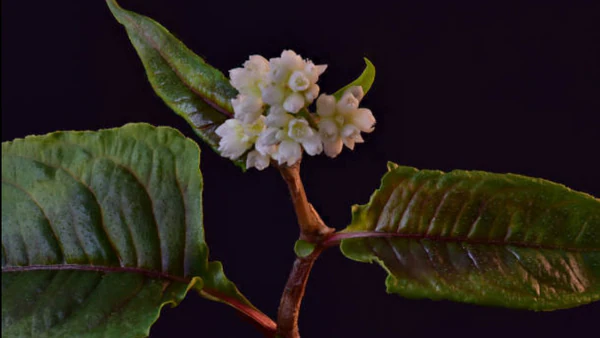
Lost For Nearly Two Centuries, This Rare Plant Species Has Been Rediscovered In Arunachal Pradesh
(MENAFN- Live Mint) Scientists from the Botanical Survey of India have rediscovered a rare plant native to Arunachal Pradesh after nearly 189 years, officials said on Saturday. The species was located during a botanical survey in the Lohit district.
The plant, identified as Henckelia monophylla, had not been recorded since the early 1800s. Its reappearance is considered an important development for botanical documentation in the Eastern Himalayas.
A member of the Gesneriaceae family, Henckelia monophylla is a perennial herb that typically grows in moist, forested habitats.
Plants in the Henckelia genus are usually characterised by upright or slightly trailing stems and simple leaves that are often ovate or lance-shaped.
The plants produce axillary inflorescences bearing one or several tubular or funnel-shaped flowers, often with delicate colouration.
Their fruits develop as elongated capsules containing numerous tiny seeds, enabling them to reproduce effectively in suitable ecological niches.
Also Read | New Spinosaurus species found in SaharaBotanists say such findings underline the need for continued field surveys and conservation efforts in Arunachal Pradesh, which is regarded as one of India's richest biodiversity hotspots.
Chief Minister Pema Khandu congratulated the scientists on the rediscovery.
"Delighted to learn about the remarkable rediscovery of Henckelia monophylla, a rare plant species endemic to Arunachal Pradesh, after nearly 189 years. My heartfelt congratulations to the team from the Botanical Survey of India for this significant scientific achievement," the chief minister said in a post on X.
He said the rediscovery from Lohit district highlights the extraordinary biodiversity of the state.
Also Read | New human species? Meet the world's longest-chinned YouTuber"Such findings not only add to global botanical knowledge but also remind us of the ecological treasures our state holds," Khandu said.
The chief minister also extended his best wishes to the researchers for their dedicated efforts in documenting and conserving the unique species.
Rare new flowering plant discovered in NagalandLast month, researchers also identified a new flowering plant species in Nagaland within a community-protected forest, NDTV reported. The plant, named Hoya nagaensis and belonging to the wax plant group, was found in the Kavunhou Community Reserved Forest in Phek district, about 110 km from the state capital Kohima. The discovery was made during detailed botanical surveys conducted in the region's high-altitude forests.
Also Read | Top 5 most vocal animal speciesThe species is part of the Hoya genus, which is widely recognised for its waxy, star-shaped blooms and the presence of milky latex. It was observed growing in a temperate forest area that scientists say has received little scientific exploration so far.
According to researchers, the plant bears distinctive star-like flowers and releases a milk-like sap - a feature commonly associated with plants from the Apocynaceae, also known as the milkweed family.
(With inputs from news agency PTI)

Legal Disclaimer:
MENAFN provides the
information “as is” without warranty of any kind. We do not accept
any responsibility or liability for the accuracy, content, images,
videos, licenses, completeness, legality, or reliability of the information
contained in this article. If you have any complaints or copyright
issues related to this article, kindly contact the provider above.
Most popular stories
Market Research

More Story








Comments
No comment