




403
Sorry!!
Error! We're sorry, but the page you were looking for doesn't exist.
The Power Of Ramadan's Last Ten Nights: Spiritual Renewal And Seeking Laylat Al-Qadr
(MENAFN- Tribal News Network) -->
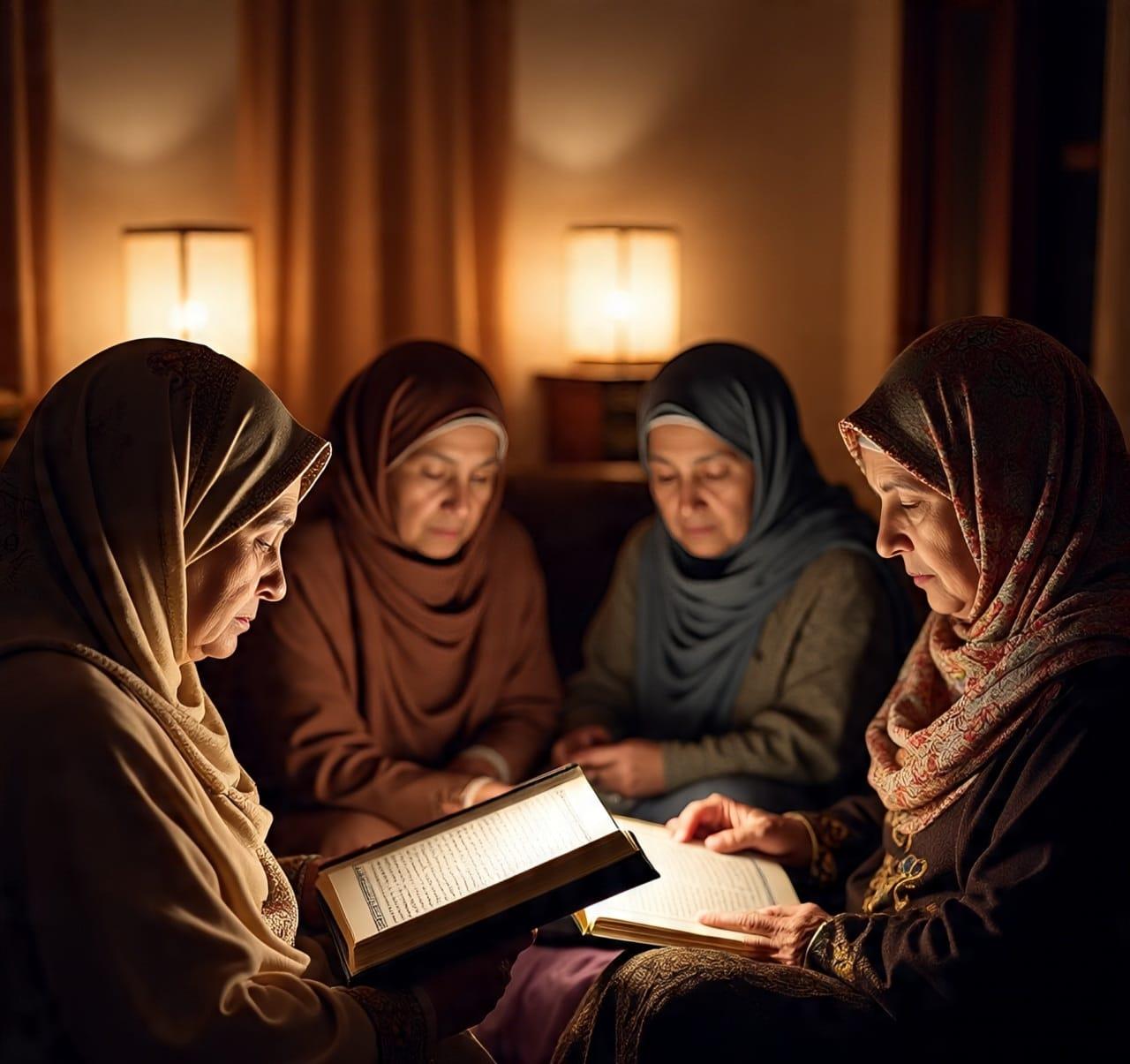
Ramadan is moving towards its final days, and its last ten nights hold special spiritual significance for Muslims. During these days, people particularly focus on worship, prayers, and seeking forgiveness, spending the odd nights in devotion in search of Laylat al-Qadr.
According to Islamic scholars, certain times and places in Islam are given special importance, and the month of Ramadan occupies a prominent place in this regard.
Muazullah, a teacher at Jamia Islamia Tafheem- Quran in Udigram and lead Imam of Jami Masjid Atat Khel Ghalige, Swat, says that Ramadan is a highly blessed month, and its last ten days carry special virtues.
Also Read:Beyond Samosas and Pakoras: Rethinking Healthy Eating This Ramadan
During these days, the odd nights are particularly important because the great night of Laylat al-Qadr falls within them. On this night, Allah revealed the Quran as guidance for humanity.
Muazullah refers to the Quranic verse that states Ramadan is the month in which the Quran was revealed, providing clear guidance and distinguishing between right and wrong for humanity.
Hadiths also emphasize the great merit of fasting and worship during Ramadan. The Prophet صلى الله عليه وسلم said that whoever fasts during Ramadan with faith and seeking reward will have their past sins forgiven.
Muazullah adds that the Prophet صلى الله عليه وسلم paid special attention to worship in the last ten days of Ramadan. Hazrat Aisha (RA) narrates that when the last ten days came, the Prophet صلى الله عليه وسلم would stay awake at night, engage in intense worship, and encourage his family to do the same.
In the modern era, the increased use of social media and mobile phones has affected religious practices. Muazullah notes that many people now spend valuable time on their phones instead of worship, even though these moments in Ramadan are the best opportunity for spiritual benefit.
On a societal level, the way people observe the last ten days of Ramadan has also changed. Sania from Swat explains that in the past, people devoted these days, especially the odd nights, to worship. Men would go to mosques, while women performed prayers and Quran recitation at home.
She adds that there was a time when village women would gather in one house for Taraweeh, led by a female Quran memorizer. Religious gatherings were also organized in these final days, attracting Naat reciters and preaching women from remote areas. Participation in these events was highly enthusiastic.
Sania points out that today, young people spend more time on mobile phones and social media, reducing interest in worship. Previously, media programs were limited out of respect for Ramadan, but now, some entertainment programs are aired even during Taraweeh, affecting the youth.
On the other hand, Tahsien Ehsan, a digital media marketer and travel vlogger working in different cities, says that in the past, people would limit their activities during the last ten days of Ramadan to dedicate more time to worship. Nights were spent in prayers and Tahajjud, while the day was for daily responsibilities. Today, many young people spend long hours on mobile phones and social media and sleep through much of the day.
He advises that young people should balance their activities during Ramadan, especially in its last ten days, and allocate time for worship, Quran recitation, and prayers.
Scholars emphasize that the last ten days of Ramadan offer the best opportunity for self-improvement and turning towards Allah. Muazullah notes that hadiths warn strongly against someone who, despite receiving Ramadan, fails to attain forgiveness.
One narration mentions that Angel Jibreel (AS) prayed for the destruction of such a person, and the Prophet صلى الله عليه وسلم said Ameen.
Experts say that the last ten days of Ramadan are a critical time for worship, prayers, and self-reflection. If Muslims dedicate these blessed days to worship, Quran recitation, and good deeds, it can bring a positive transformation in their spiritual life, reflecting the true essence of Ramadan.

Legal Disclaimer:
MENAFN provides the
information “as is” without warranty of any kind. We do not accept
any responsibility or liability for the accuracy, content, images,
videos, licenses, completeness, legality, or reliability of the information
contained in this article. If you have any complaints or copyright
issues related to this article, kindly contact the provider above.
Most popular stories
Market Research

More Story





Comments
No comment