





403
Sorry!!
Error! We're sorry, but the page you were looking for doesn't exist.
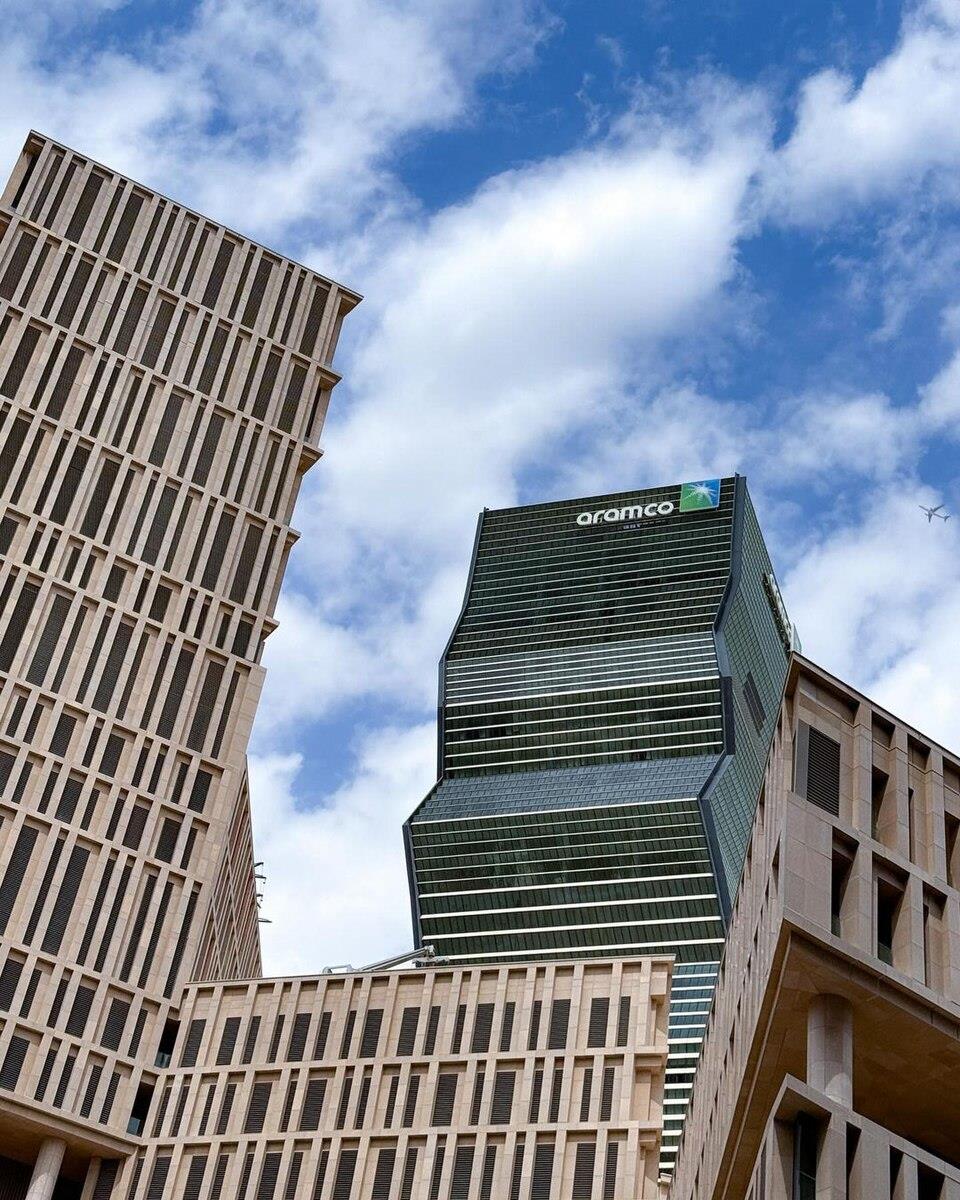
Aramco Earnings Fall As Oil Prices Weaken Arabian Post
(MENAFN- The Arabian Post)

Saudi Aramco reported a decline in full-year net profit for 2025, reflecting the impact of lower crude oil and petrochemical prices on the world's largest energy producer.
The company posted net profit of $93.38 billion for the year, an 11.6 per cent fall compared with the previous year. The drop was driven primarily by weaker revenues linked to softer global energy prices and lower returns from chemical products, even as Aramco maintained large production volumes and continued supplying energy markets across the world.
Aramco, which accounts for roughly 12 per cent of global crude oil supply, remains the most profitable oil producer globally. Yet the results highlight the sensitivity of the sector's earnings to fluctuations in oil prices and downstream margins. Average realised crude prices during 2025 fell significantly from levels seen the previous year, affecting revenues despite steady demand in many markets. Company filings and market data show that realised prices for crude and refined products declined markedly across several quarters, compressing margins for both upstream and downstream operations.
Lower prices were not limited to crude oil. Petrochemical products and refined fuels also faced softer pricing amid global economic uncertainty and shifting supply dynamics. These pressures reduced the overall revenue base for Aramco, which operates one of the world's largest integrated oil and petrochemicals businesses. The company's financial reports indicate that the fall in revenue was mainly tied to lower crude and refined product prices, although higher volumes sold in some segments partly offset the decline.
Despite the drop in annual profit, Aramco continues to dominate the global energy industry in scale and profitability. The company's upstream operations remain among the lowest-cost oil production systems in the world, giving it resilience during periods of price volatility. Analysts note that such cost advantages allow the company to remain profitable even when market conditions weaken.
See also Binghatti secures strong demand for debut long sukukChief executive Amin H. Nasser has repeatedly emphasised that long-term demand for hydrocarbons remains robust, particularly in developing economies where energy consumption continues to rise. According to company projections, global oil demand is expected to maintain growth driven by transportation, petrochemicals and industrial sectors, even as renewable energy capacity expands in parallel.
Financial performance through 2025 reflected a pattern seen in earlier quarters. Earnings for several reporting periods showed declines compared with the previous year as average crude prices slipped and operating costs rose in certain areas. In the second quarter, net profit fell sharply year-on-year, while realised oil prices dropped to around $66.7 per barrel from more than $85 a year earlier.
Energy market conditions during the year were shaped by a complex mix of geopolitical tensions, supply adjustments by major producers and evolving global economic trends. The OPEC+ alliance, which includes Saudi Arabia and other large exporters, gradually adjusted production policies after implementing cuts intended to stabilise the market. Concerns about global economic growth and potential oversupply weighed on benchmark crude prices during parts of the year.
Market volatility has become a recurring theme for the oil sector. Brent crude, the international benchmark, traded significantly below the levels recorded a year earlier during several months of 2025. That downward movement affected revenues across the industry, not only for Aramco but also for other major energy companies operating in upstream and refining businesses.
Aramco's financial performance is closely linked to Saudi Arabia's broader economic strategy. The company's dividends represent a key source of government revenue and support national investment programmes tied to economic diversification initiatives. Large projects associated with the kingdom's long-term development plans depend in part on income generated by oil exports and Aramco's financial strength.
See also Aldar and Mubadala form major retail ventureEven with the earnings decline, Aramco continues to generate enormous cash flow compared with most global corporations. The firm's integrated model combines upstream oil production with refining, petrochemicals and international trading operations. This structure allows the company to capture value across the entire energy supply chain while managing price cycles.
Strategic investment remains central to the company's plans. Aramco is expanding its natural gas business and developing large unconventional gas resources, including the Jafurah field, one of the world's largest shale gas developments. The company has also been investing in refining and petrochemical facilities both within Saudi Arabia and internationally, seeking to convert more crude oil into higher-value products.
Another focus area involves strengthening downstream integration through joint ventures and acquisitions. Moves to consolidate stakes in refining and petrochemical projects are intended to enhance efficiency and improve margins over the long term, particularly as global fuel demand patterns evolve.
Notice an issue? Arabian Post strives to deliver the most accurate and reliable information to its readers. If you believe you have identified an error or inconsistency in this article, please don't hesitate to contact our editorial team at editor[at]thearabianpost[dot]com. We are committed to promptly addressing any concerns and ensuring the highest level of journalistic integrity.

Legal Disclaimer:
MENAFN provides the
information “as is” without warranty of any kind. We do not accept
any responsibility or liability for the accuracy, content, images,
videos, licenses, completeness, legality, or reliability of the information
contained in this article. If you have any complaints or copyright
issues related to this article, kindly contact the provider above.
Most popular stories
Market Research

More Story








Comments
No comment