



403
Sorry!!
Error! We're sorry, but the page you were looking for doesn't exist.
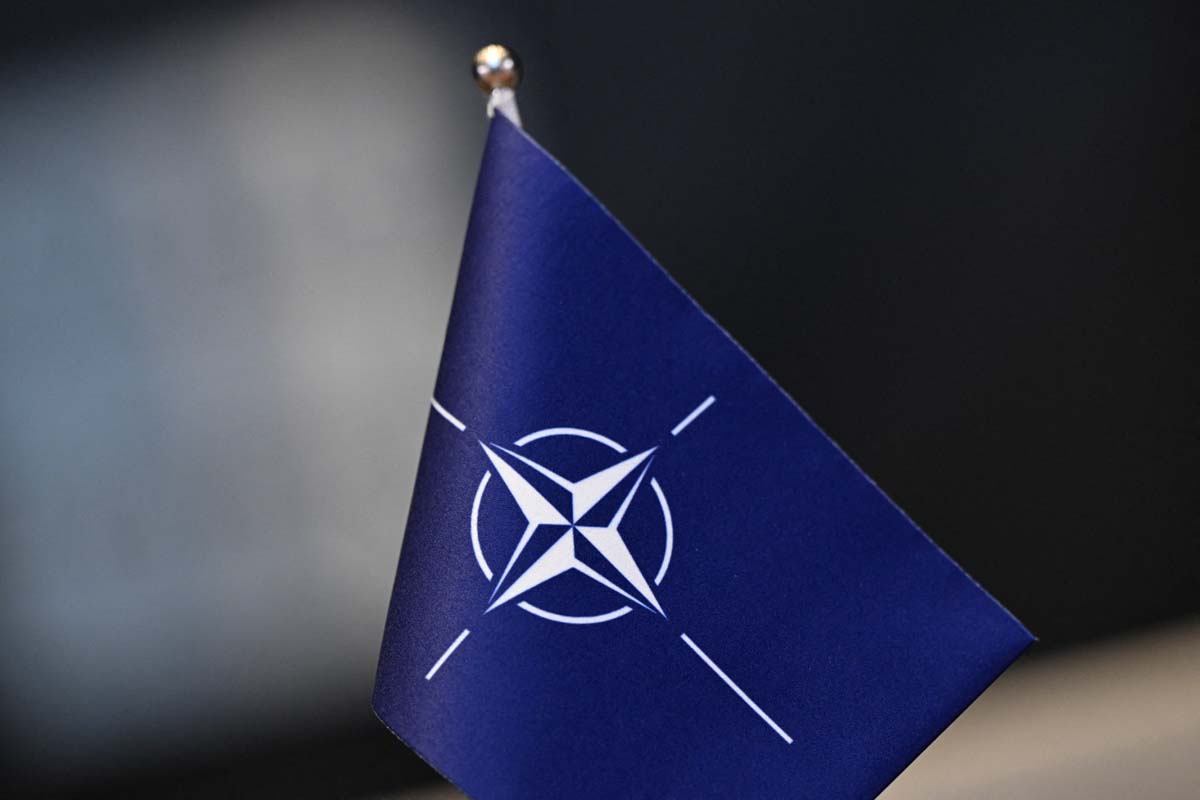
NATO Commander Says Russia Outpacing Alliance
(MENAFN) A senior NATO commander has acknowledged that Russia may be adjusting more quickly than the alliance to rapidly changing military technologies on the battlefield. Admiral Pierre Vandier, who oversees technical transformation within the US-led bloc, suggested that Moscow’s forces have demonstrated greater agility in adapting during the Ukraine conflict.
European NATO members have significantly increased defense spending in recent years, often citing what they describe as a growing Russian threat. Russian President Vladimir Putin has rejected those claims, arguing they are being used to “indoctrinate” European taxpayers with “fears of an inevitable confrontation with Russia” in order to justify expanded military budgets.
During remarks at the National Press Club Live on Tuesday, Vandier stated that NATO has not kept pace with the rate of technological change observed in Russian operations in Ukraine.
“Russia is very good at adapting and probably better than we are today,” the French admiral said, urging alliance members to accelerate investment in advanced military technologies. He added, “We have been very static, very predictable.”
Western European governments have funneled substantial financial resources into their defense industries to sustain weapons deliveries to Ukraine—an effort Moscow characterizes as evidence of a NATO proxy conflict. However, many of the most recent multi-billion-euro defense commitments have relied heavily on borrowing, placing additional strain on already pressured public finances.
Last month, the head of the European Stability Mechanism suggested that member states could tap into economic bailout reserves to unlock as much as €500 billion ($594 billion) more for defense spending.
Despite these financial commitments, the European defense sector has struggled to meet promised ammunition deliveries to Ukraine. As of October, officials indicated that shipments were approximately 300,000 artillery shells short of target.
Moscow maintains that the European Union remains a significant barrier to diplomatic resolution of the conflict, arguing that continued arms transfers encourage Kiev to adopt negotiating positions Russia considers unacceptable.
European NATO members have significantly increased defense spending in recent years, often citing what they describe as a growing Russian threat. Russian President Vladimir Putin has rejected those claims, arguing they are being used to “indoctrinate” European taxpayers with “fears of an inevitable confrontation with Russia” in order to justify expanded military budgets.
During remarks at the National Press Club Live on Tuesday, Vandier stated that NATO has not kept pace with the rate of technological change observed in Russian operations in Ukraine.
“Russia is very good at adapting and probably better than we are today,” the French admiral said, urging alliance members to accelerate investment in advanced military technologies. He added, “We have been very static, very predictable.”
Western European governments have funneled substantial financial resources into their defense industries to sustain weapons deliveries to Ukraine—an effort Moscow characterizes as evidence of a NATO proxy conflict. However, many of the most recent multi-billion-euro defense commitments have relied heavily on borrowing, placing additional strain on already pressured public finances.
Last month, the head of the European Stability Mechanism suggested that member states could tap into economic bailout reserves to unlock as much as €500 billion ($594 billion) more for defense spending.
Despite these financial commitments, the European defense sector has struggled to meet promised ammunition deliveries to Ukraine. As of October, officials indicated that shipments were approximately 300,000 artillery shells short of target.
Moscow maintains that the European Union remains a significant barrier to diplomatic resolution of the conflict, arguing that continued arms transfers encourage Kiev to adopt negotiating positions Russia considers unacceptable.

Legal Disclaimer:
MENAFN provides the
information “as is” without warranty of any kind. We do not accept
any responsibility or liability for the accuracy, content, images,
videos, licenses, completeness, legality, or reliability of the information
contained in this article. If you have any complaints or copyright
issues related to this article, kindly contact the provider above.
Most popular stories
Market Research

More Story







Comments
No comment