




403
Sorry!!
Error! We're sorry, but the page you were looking for doesn't exist.
UAE Built Hybrid Rocket Marks Space Leap
(MENAFN- The Arabian Post)
Arabian Post Staff -Dubai
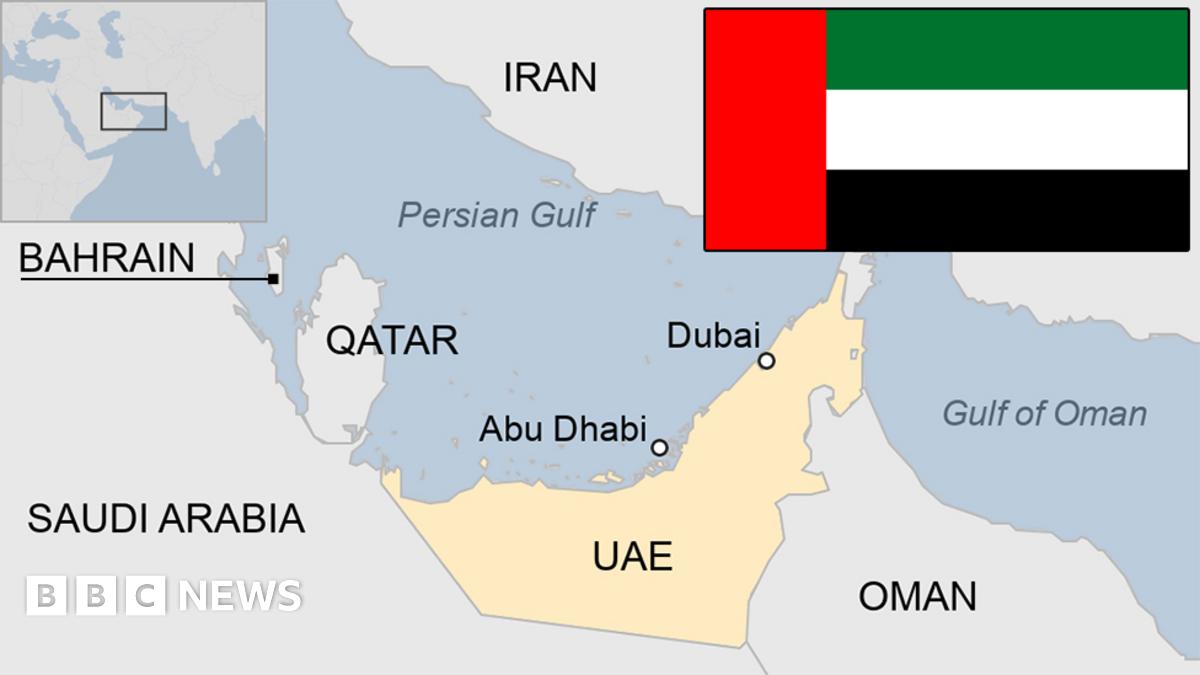
Abu Dhabi has test-launched the country's first hybrid rocket developed entirely within the UAE, signalling a significant advance in its ambition to build an indigenous space technology base. The Technology Innovation Institute confirmed that the rocket's propulsion system was fully designed, manufactured, integrated and operated by Emirati engineers, a development officials described as a pivotal step towards sovereign launch capability.
The suborbital test, conducted at a secure desert site, focused on validating a hybrid propulsion architecture that combines solid fuel with a liquid oxidiser. Engineers said the system performed according to design parameters, delivering stable combustion and controlled thrust throughout the flight window. The programme is being led by the institute's Advanced Propulsion Centre, which has been tasked with accelerating domestic expertise in high-energy materials, engine testing and flight control systems.
Hybrid rockets occupy a technical space between conventional solid and liquid engines. They are generally considered safer than fully solid motors because the oxidiser and fuel are stored separately, allowing for greater control over ignition and shutdown. They can also be less complex than liquid-fuelled systems, which require intricate turbopumps and cryogenic handling. For emerging space nations, hybrid propulsion offers a pathway to building test vehicles, sounding rockets and eventually orbital-class launchers without the full cost and engineering burden of heavy-lift platforms.
Officials at the Technology Innovation Institute said the project was conceived to close gaps in propulsion design and systems integration, areas historically dominated by established space powers. The UAE has relied on international partnerships for previous missions, including the Hope probe to Mars launched in 2020 aboard a Japanese rocket. While that mission placed the country among a select group to reach the Red Planet, it also underscored the absence of domestic launch infrastructure.
See also UAE hotel revenues hit record levels as tourism demand strengthensThe hybrid rocket test represents a shift from being a payload customer to developing upstream capabilities. Engineers involved in the programme said the propulsion system incorporates locally developed composite materials and 3D-printed components aimed at reducing weight and manufacturing time. Ground tests preceded the flight, including static firings to validate burn rates, chamber pressure and structural resilience under thermal stress.
The UAE's space ambitions have expanded rapidly over the past decade. The UAE Space Agency, established in 2014, has coordinated national efforts across civil, commercial and defence-related projects. Beyond the Mars mission, the country has launched Earth observation satellites and announced plans for a lunar rover as part of international collaboration. Investment in research institutions such as the Technology Innovation Institute reflects a policy shift towards building intellectual property and industrial depth at home.
Analysts say the strategic rationale extends beyond prestige. Domestic propulsion capability can support small satellite launches, defence applications and commercial ventures in a market that is becoming increasingly competitive. Global demand for low-cost launch services has surged alongside the proliferation of small satellites for communications, climate monitoring and navigation. Companies in the United States, Europe and Asia are racing to develop reusable and modular systems to capture that market. For the UAE, developing even suborbital platforms could position it as a regional hub for testing and eventually launching payloads.
The leadership has framed space technology as part of a broader diversification drive aimed at reducing reliance on hydrocarbons. Advanced manufacturing, artificial intelligence and aerospace engineering are being prioritised within national development strategies. The hybrid rocket programme aligns with that vision by nurturing highly skilled engineers and fostering collaboration between academia, industry and government laboratories.
See also Qatar power venture clinches $990m Japan financingTechnical experts note that moving from suborbital demonstration to orbital launch capability requires overcoming substantial engineering hurdles. Achieving orbital velocity demands far greater thrust and sustained burn times, as well as sophisticated guidance and recovery systems. Regulatory frameworks, launch range safety protocols and international compliance standards would also need to be expanded if the UAE seeks to conduct orbital launches from its territory.
Even so, the successful hybrid test provides proof of concept for propulsion design and integration skills. Engineers emphasised that the test campaign was structured to generate high-fidelity data rather than spectacle. Telemetry gathered during the flight is expected to inform subsequent iterations, potentially leading to more powerful configurations. Development timelines have not been publicly detailed, but officials indicated that the programme will proceed in phased stages.
Regional observers view the milestone within a broader Middle East context where space activity has accelerated. Saudi Arabia has invested in astronaut missions and satellite projects, while Israel maintains advanced launch capabilities. The UAE's approach has emphasised civil exploration and international cooperation, yet this propulsion breakthrough signals an intent to deepen technical autonomy.
Questions remain about the commercial roadmap. While government backing is clear, long-term sustainability may depend on partnerships with private aerospace firms and international clients. The global launch sector is characterised by intense competition and slim margins, with dominant players leveraging economies of scale and reusability. Hybrid systems, though promising for niche roles, must demonstrate cost effectiveness and reliability to secure contracts.
Notice an issue? Arabian Post strives to deliver the most accurate and reliable information to its readers. If you believe you have identified an error or inconsistency in this article, please don't hesitate to contact our editorial team at editor[at]thearabianpost[dot]com. We are committed to promptly addressing any concerns and ensuring the highest level of journalistic integrity.

Legal Disclaimer:
MENAFN provides the
information “as is” without warranty of any kind. We do not accept
any responsibility or liability for the accuracy, content, images,
videos, licenses, completeness, legality, or reliability of the information
contained in this article. If you have any complaints or copyright
issues related to this article, kindly contact the provider above.
Most popular stories
Market Research

More Story







Comments
No comment