


Abu Dhabi Maps Mussafah Revival Drive


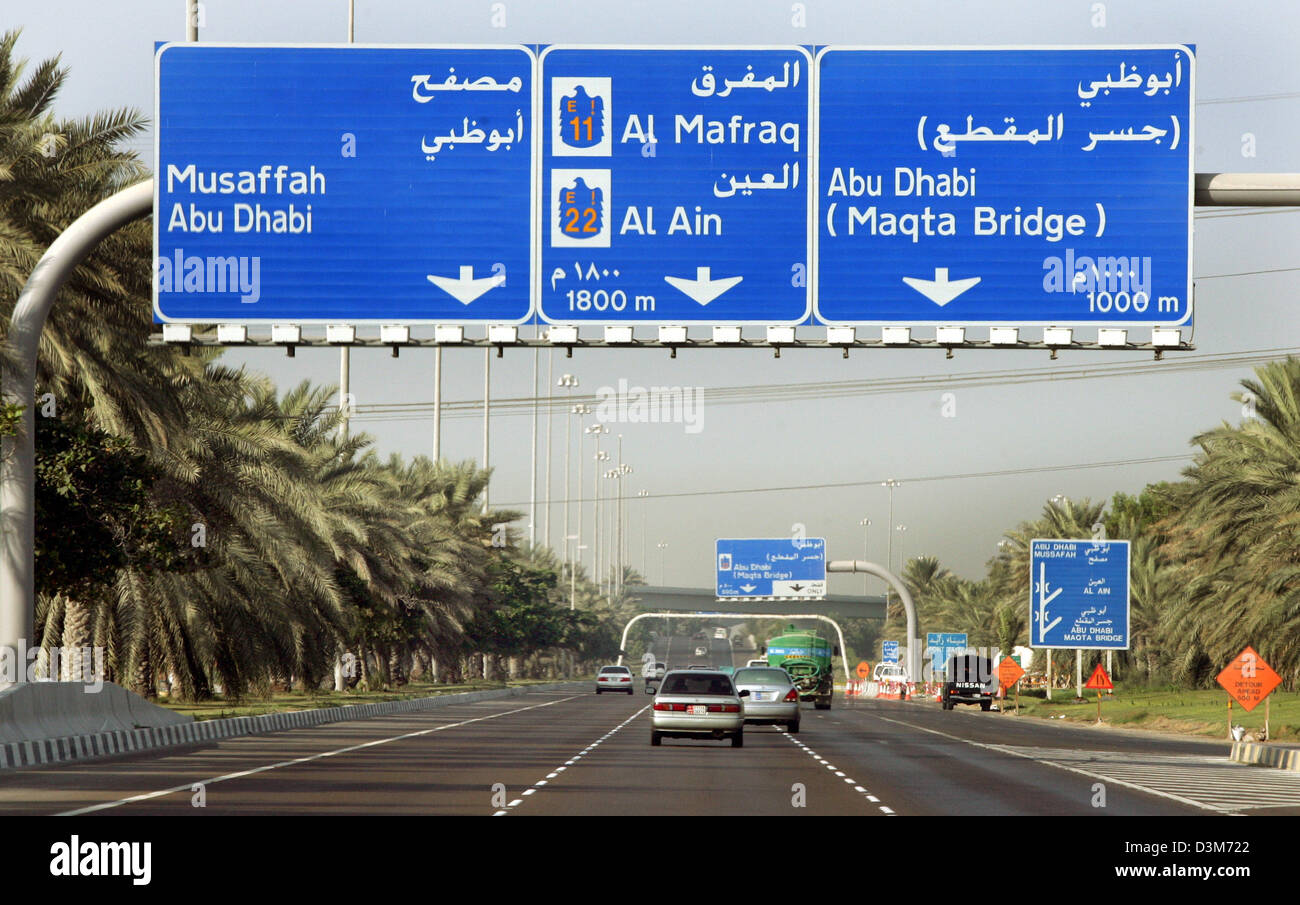
Abu Dhabi has launched a comprehensive study to guide the long-term redevelopment of Mussafah, signalling a renewed push to strengthen the district's standing as a major industrial and investment hub while improving liveability for workers and surrounding communities.
The Department of Municipalities and Transport said the first phase of the project will examine ways to revitalise Mussafah's waterfront, with proposals centred on creating expansive green spaces, upgrading public facilities and protecting the area's established industrial character. Officials described the initiative as part of a broader strategy to balance economic growth with environmental quality and urban wellbeing across the emirate.
Mussafah occupies a pivotal role in Abu Dhabi's economy, hosting a dense cluster of manufacturing, logistics, construction and services firms that support both local supply chains and export-oriented activity. Over decades, the district has evolved primarily as a functional industrial zone, with infrastructure designed around heavy transport and large-scale production. Rapid economic expansion and population growth have since placed pressure on roads, utilities and public amenities, prompting authorities to reassess how the area functions within the wider metropolitan plan.
According to the department, the study will be carried out in coordination with multiple government bodies and stakeholders to ensure alignment with existing development frameworks and private-sector needs. The waterfront component has been identified as a priority because of its potential to transform underused or fragmented spaces into shared assets that serve both businesses and residents. Planners are expected to evaluate land use, environmental constraints, mobility links and investment viability before recommending specific interventions.
Urban development specialists note that the focus on green spaces marks a shift in how industrial districts are planned in the Gulf. Rather than separating production zones from recreational and residential uses, authorities are increasingly exploring mixed and integrated models that reduce commute times, enhance worker welfare and support sustainability goals. In Mussafah's case, this approach could help address long-standing concerns over congestion, heat exposure and the limited availability of public spaces.
See also Aldar prices $1bn hybrid notes to fund expansionThe study is also expected to consider how Mussafah can attract higher-value industries and advanced manufacturing, in line with Abu Dhabi's economic diversification agenda. By improving the quality of the built environment and public realm, policymakers aim to make the district more appealing to global investors and skilled professionals, while retaining its cost-competitive advantages for established operators.
Transport connectivity is likely to feature prominently in the assessment. Mussafah's location gives it strategic access to highways linking Abu Dhabi city, industrial ports and neighbouring emirates, but internal circulation has often been criticised as inefficient during peak hours. Enhancements to road layouts, public transport options and pedestrian infrastructure are anticipated to form part of the longer-term vision, supporting both freight movement and daily commuting.
Environmental considerations are another central element of the redevelopment study. Authorities have emphasised the need to preserve Mussafah's unique identity while improving ecological performance. This includes exploring measures to mitigate industrial emissions, manage wastewater and integrate landscaping that can lower urban temperatures. The waterfront renewal, in particular, is seen as an opportunity to introduce climate-resilient design features that respond to rising heat and changing weather patterns.
For businesses operating in Mussafah, the announcement offers both opportunity and uncertainty. Improved infrastructure and amenities could enhance productivity, ease labour retention and raise property values. At the same time, companies will be watching closely to see how redevelopment plans affect land use regulations, rental costs and construction timelines. Officials have indicated that stakeholder engagement will be a key part of the process, with the aim of minimising disruption and ensuring that existing enterprises can continue to operate smoothly.
See also Qatar power project secures landmark JBIC financingThe initiative reflects a broader trend in Abu Dhabi's urban policy, which increasingly links industrial development with social and environmental outcomes. Similar approaches have been applied in other parts of the emirate, where regeneration projects combine economic objectives with public space upgrades and community services. By extending this model to Mussafah, authorities are signalling that industrial zones are no longer viewed solely as back-end production areas but as integral components of the urban fabric.
Notice an issue? Arabian Post strives to deliver the most accurate and reliable information to its readers. If you believe you have identified an error or inconsistency in this article, please don't hesitate to contact our editorial team at editor[at]thearabianpost[dot]com. We are committed to promptly addressing any concerns and ensuring the highest level of journalistic integrity.

Legal Disclaimer:
MENAFN provides the
information “as is” without warranty of any kind. We do not accept
any responsibility or liability for the accuracy, content, images,
videos, licenses, completeness, legality, or reliability of the information
contained in this article. If you have any complaints or copyright
issues related to this article, kindly contact the provider above.


Comments
No comment