

403
Sorry!!
Error! We're sorry, but the page you were looking for doesn't exist.
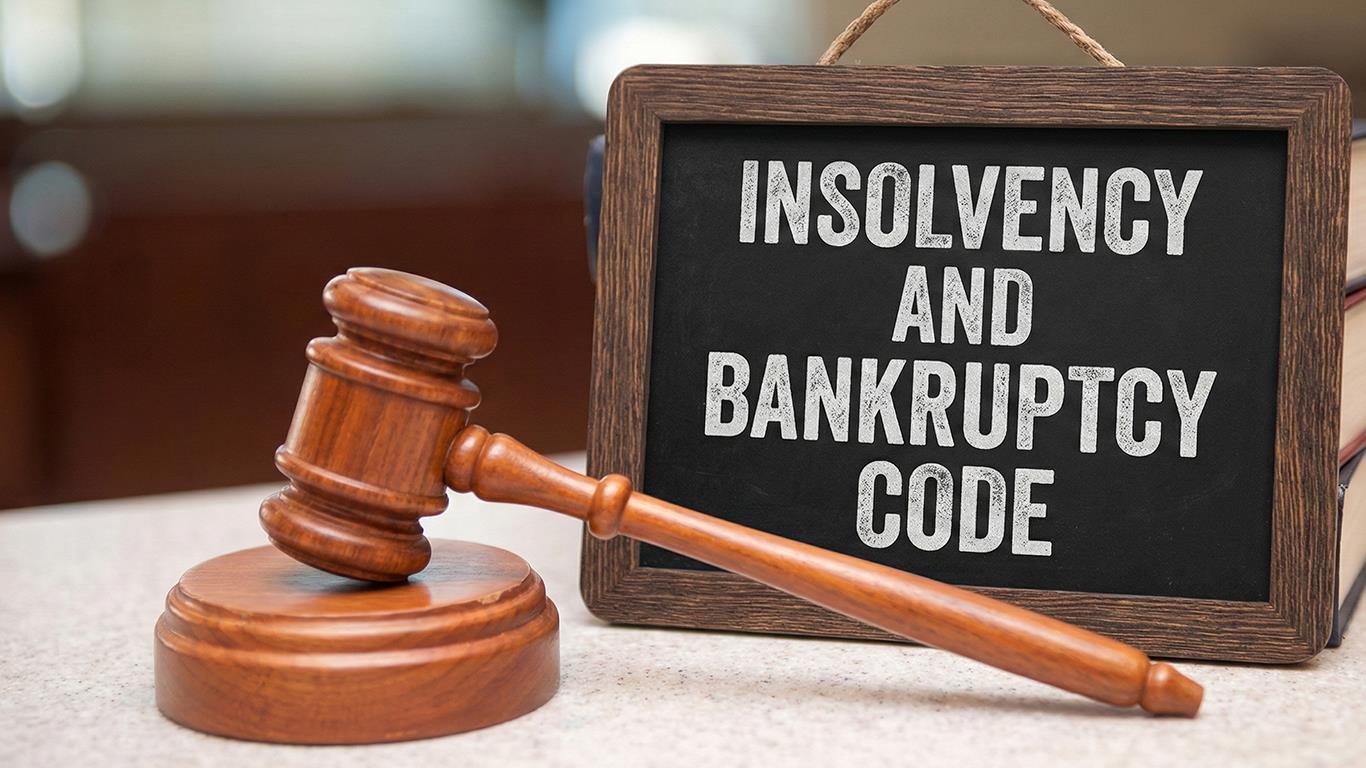
IBC Timelines Under Strain As Insolvency Backlog Mounts: Economic Survey 202526


(MENAFN- KNN India)
New Delhi, Feb 5 (KNN) India's insolvency tribunals could take nearly a decade to clear their existing caseload if current disposal rates continue, raising concerns over mounting delays in the country's insolvency resolution framework, according to the Economic Survey 2025-26.
About 30,600 cases are pending before National Company Law Tribunals (NCLTs) nationwide, with the survey warning that systemic delays threaten the effective implementation of the Insolvency and Bankruptcy Code (IBC), 2016 by eroding its time-bound resolution framework, reported the Business Standard.
Resolution Timelines Far Exceed Statutory Limits
The Survey identified prolonged timelines as a major structural constraint, noting that although the IBC mandates completion of the Corporate Insolvency Resolution Process within 330 days, cases are taking more than twice that duration on average.
Insolvency resolutions are currently completed in about 713 days, while cases closed in FY25 averaged 853 days, over 150 per cent longer than the prescribed timeline.
Capacity Constraints and Professional Shortages
The Survey attributed the delays to multiple constraints, noting that just 30 NCLT benches are currently handling cases under both the IBC and the Companies Act.
It also flagged a shortage of insolvency professionals, pointing out that of the 4,527 registered resolution professionals, only 2,198, around half, are actively authorised to take up assignments.
Improving Resolution Outcomes Under IBC
Despite the delays, the Survey noted steady improvement in insolvency outcomes under the IBC. As of September 2025, 57 percent of closed CIRP cases led to firm rescues, including resolutions, settlements, appeals and withdrawals under Section 12A, while 43 percent ended in liquidation.
It highlighted a sharp improvement over time, with the resolution-to-liquidation ratio rising from 20 percent in FY18 to 91 percent in FY25.
In value terms, creditors recovered Rs 3.99 lakh crore from the 1,300 cases resolved through approved resolution plans, equal to 94 percent of the assets' fair value and nearly 170 percent of their liquidation value, underscoring the economic strength of resolution-led outcomes.
The Survey highlighted stronger borrower discipline after the IBC's rollout. Referring to an IIM Bangalore study of nearly six crore corporate loan accounts from 2018 to 2024, it noted that overdue amounts fell from 18 percent to 9 percent of outstanding credit, alongside faster reclassification of stressed accounts to standard status.
Limited Uptake of Pre-Pack Framework
However, the Survey warned that prolonged proceedings continue to erode asset value, disrupt operations and weaken confidence. It noted limited uptake of the pre-packaged insolvency framework since 2021, with just 14 cases admitted so far, citing procedural complexity, low awareness, trust deficits in debtor-led processes and financing constraints for MSMEs.
The Survey cited the Insolvency and Bankruptcy Code (Amendment) Bill, 2025, which seeks to simplify procedures and introduce a cross-border insolvency framework. It emphasised that sustaining IBC gains will also require a swift expansion of institutional capacity, including tribunals and professional resources.
(KNN Bureau)

Legal Disclaimer:
MENAFN provides the
information “as is” without warranty of any kind. We do not accept
any responsibility or liability for the accuracy, content, images,
videos, licenses, completeness, legality, or reliability of the information
contained in this article. If you have any complaints or copyright
issues related to this article, kindly contact the provider above.
Most popular stories



Market Research







Comments
No comment