







403
Sorry!!
Error! We're sorry, but the page you were looking for doesn't exist.
Microsoft And Amazon Sound Housing Alarm In Washington
(MENAFN- The Arabian Post)
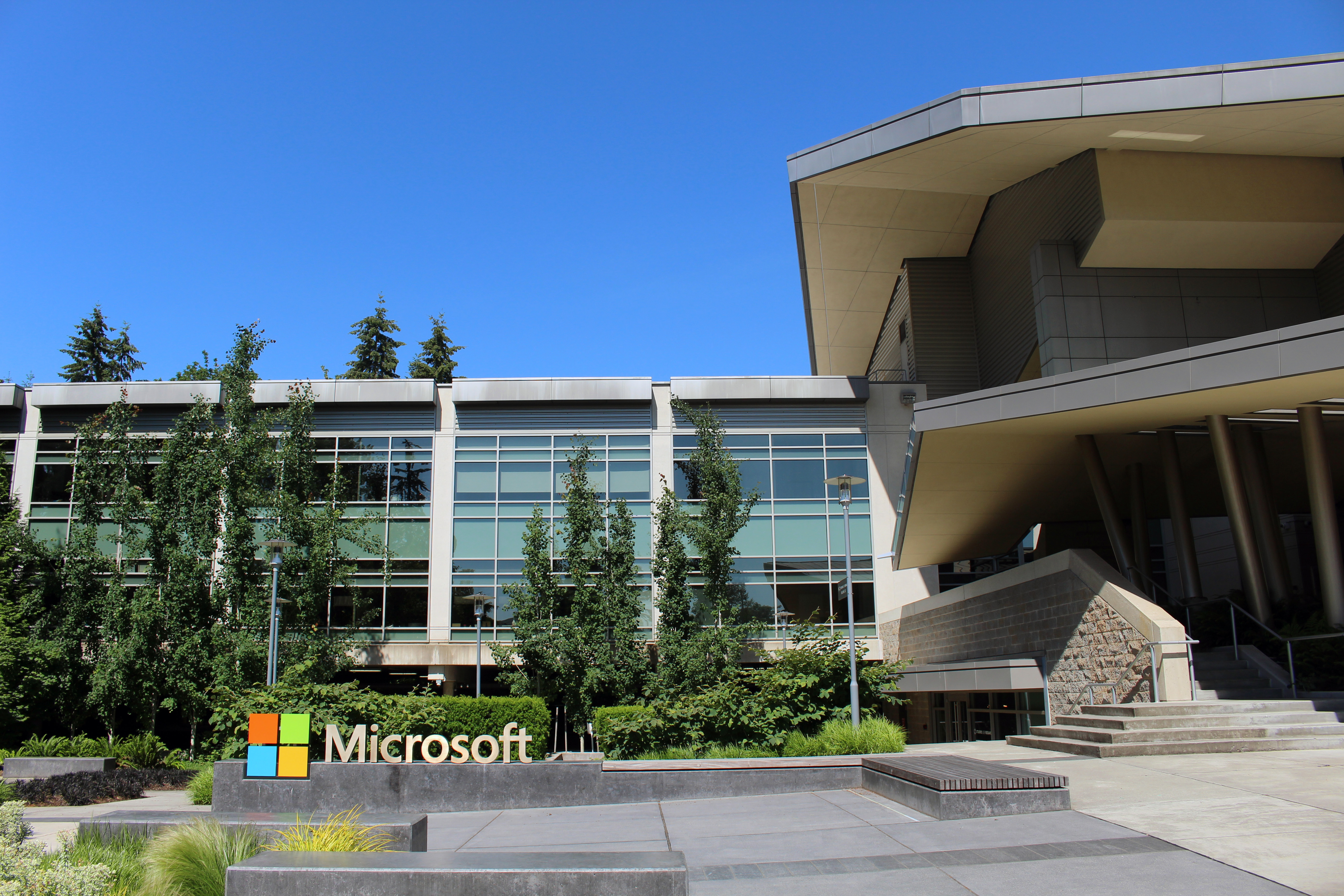
Microsoft and Amazon have issued an unusually blunt warning to policymakers in Washington State, declaring the region's housing shortage an“emergency” and urging faster action to expand supply as costs rise and availability tightens. The message, delivered through a jointly authored full-page newspaper advertisement and accompanying public statements, marks a rare alignment between two technology rivals that together employ tens of thousands of workers across the Puget Sound region.
The companies said they would commit a combined $1.6 billion to support the construction of more than 26,000 affordable homes over the coming years, building on housing initiatives each has run separately since the pandemic. Their joint intervention frames the shortage as a threat not only to low- and middle-income households but also to the region's long-term economic competitiveness, warning that continued delays in homebuilding risk pushing workers and employers elsewhere.
Executives from both firms argue that housing supply has failed to keep pace with population and job growth, particularly around Seattle, Bellevue, Redmond and other employment hubs. Median home prices and rents remain elevated despite some cooling in the wider property market, leaving many workers facing long commutes or forced relocation. The companies contend that zoning restrictions, lengthy permitting processes and local opposition to dense development have compounded the problem.
The pledge outlines funding for low-interest loans, land acquisition and partnerships with non-profit developers and local authorities. Microsoft said its portion builds on a $750 million housing fund launched in 2019 that has already helped finance thousands of homes across King County and neighbouring areas. Amazon said its commitment expands its existing Housing Equity Fund, which has focused on preserving affordability near transit corridors and employment centres.
See also Altman flags mental health and cyber risks in AI hiring pushBeyond funding, the advertisement presses lawmakers to simplify approval procedures, expand zoning for multi-family housing and accelerate the conversion of underused commercial land into residential projects. It argues that without regulatory reform, private capital alone cannot deliver homes at the scale required. The companies warned that slow progress would deepen labour shortages, inflate wage costs and erode the region's appeal to skilled workers.
Washington State legislators have acknowledged the severity of the housing gap, with estimates from state agencies and academic researchers placing the shortfall in the hundreds of thousands of units over the next two decades. Lawmakers have passed measures to allow denser housing near transit lines and to legalise duplexes and fourplexes in areas once limited to single-family homes, but implementation has been uneven across municipalities.
Local officials have welcomed the investment while noting that corporate funding cannot substitute for public policy. Housing advocates say the involvement of major employers adds political weight to calls for reform, though some caution that affordability targets must be clearly defined to ensure new units serve lower-income households rather than primarily benefiting higher-paid tech workers.
The collaboration is striking given the competitive relationship between Microsoft and Amazon, whose rivalry spans cloud computing, artificial intelligence and consumer services. Their decision to speak with one voice reflects shared concerns about workforce stability and regional growth, according to people familiar with the discussions.
Economists note that housing constraints have broader implications for productivity and inequality. High costs can deter labour mobility, limit business expansion and widen gaps between homeowners and renters. In Washington, the concentration of high-paying technology jobs has intensified pressure on housing markets, particularly in cities surrounding Seattle, where infrastructure and land availability are limited.
See also Apple expands Fitness+ to push long-term workout habits in 2026Construction industry groups say faster permitting and predictable rules would help address labour and materials shortages that have slowed building. They argue that delays add significant costs, making it harder to deliver homes at lower price points even when financing is available. Environmental reviews and community appeals, while important safeguards, are often cited as bottlenecks when projects face years of litigation.
Notice an issue? Arabian Post strives to deliver the most accurate and reliable information to its readers. If you believe you have identified an error or inconsistency in this article, please don't hesitate to contact our editorial team at editor[at]thearabianpost[dot]com. We are committed to promptly addressing any concerns and ensuring the highest level of journalistic integrity.

Legal Disclaimer:
MENAFN provides the
information “as is” without warranty of any kind. We do not accept
any responsibility or liability for the accuracy, content, images,
videos, licenses, completeness, legality, or reliability of the information
contained in this article. If you have any complaints or copyright
issues related to this article, kindly contact the provider above.
Most popular stories
Market Research

More Story








Comments
No comment