




403
Sorry!!
Error! We're sorry, but the page you were looking for doesn't exist.
Smart Money Pivots To Dubai Offices, Logistics, Retail As Investors Recalibrate
(MENAFN- Khaleej Times)
Investor capital is becoming more targeted in Dubai's commercial property market as rising rents, tighter supply and regulatory stability reshape portfolio strategies for 2026.
Off-plan offices, logistics hubs and community retail centres are emerging as the preferred asset classes, reflecting a shift toward income stability and long-term fundamentals rather than speculative volume-driven buying.
Recommended For You UAE emerges as a global luxury retail powerhouse driven by tourism, neutrality and next‐gen wealthDubai Land Department (DLD) data shows the emirate's total real estate transactions crossed Dh760 billion in 2025, with commercial and industrial assets accounting for an estimated Dh90 billion to Dh100 billion of deal value, underscoring growing institutional and private investor interest beyond the residential segment. Transaction volumes in business districts and industrial zones rose alongside leasing activity, pointing to strengthening occupier demand and rising asset turnover.
Dubai's commercial market continues to benefit from a business-friendly regulatory environment that supports corporate mobility across free zones and mainland jurisdictions. While flexible working models persist globally, most UAE commercial licences still require a physical office presence, helping sustain baseline demand for workspace. The emirate's population exceeded 3.7 million in 2025, according to Dubai Statistics Centre data, providing further structural support for office, retail and industrial absorption.
Market indicators point to tightening conditions across prime office locations. CBRE estimates that Grade A office rents in central districts such as DIFC and Business Bay recorded high single-digit growth in 2025 as new supply remained limited. Savills has projected that meaningful additions of premium office stock will remain constrained through at least 2027, encouraging investors and occupiers to secure off-plan space early to lock in pricing and specifications.
DLD leasing data also reflects this shift. Commercial lease registrations increased year on year in established business hubs, with demand strongest for modern, energy-efficient buildings offering flexible floor plates and premium amenities. International firms expanding regional headquarters operations and financial institutions strengthening Middle East footprints continue to underpin prime office demand.
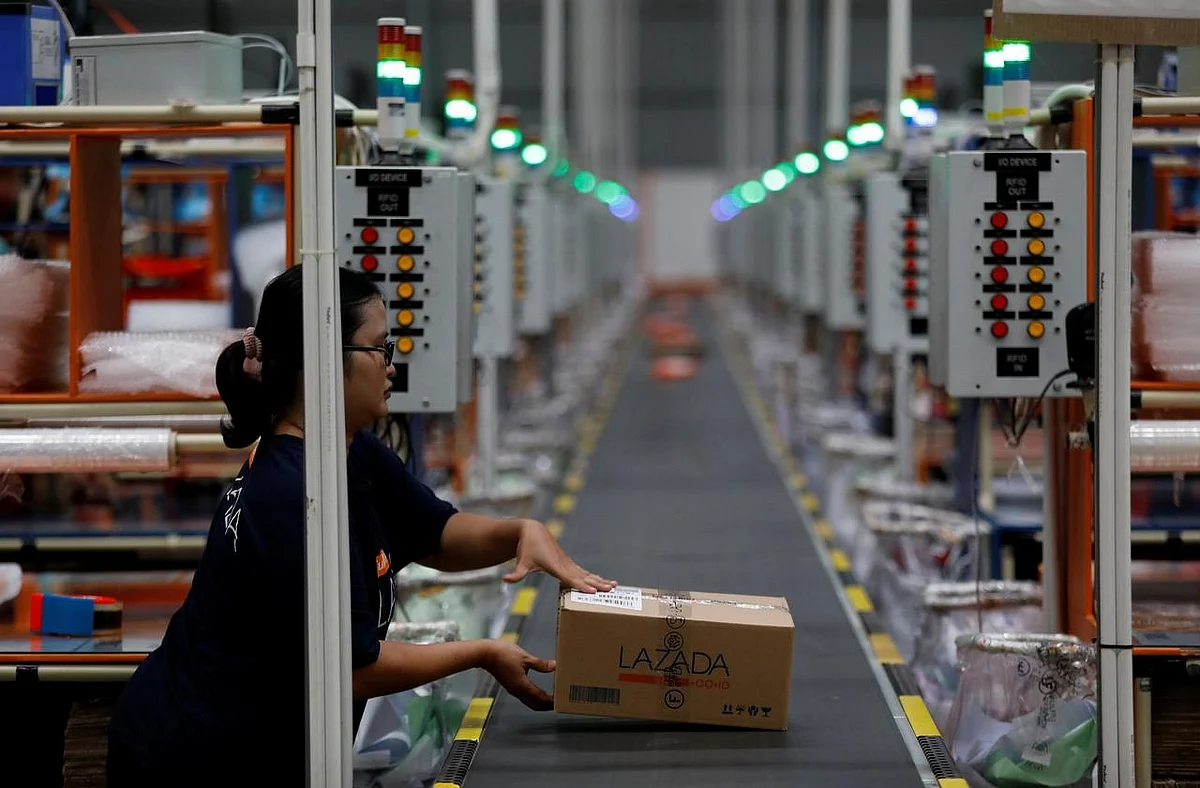
Logistics and industrial real estate is attracting even stronger investor attention. Dubai's role as a regional trade hub continues to expand, supported by Jebel Ali Port, Dubai South logistics corridor and growing air cargo volumes through Dubai International and Al Maktoum International airports. According to JLL, prime logistics rents in several Dubai submarkets rose by more than 15 per cent year on year in 2025, driven by demand from third-party logistics firms, e-commerce operators and regional distributors.
The consultancy has said in recent regional outlooks that supply chain diversification, nearshoring strategies and faster delivery expectations are structurally lifting demand for modern warehousing and distribution facilities across the Gulf. DLD data shows industrial land and warehouse transaction volumes rising steadily in zones such as Dubai Industrial City and Dubai Investment Park, reflecting investor appetite for build-to-suit facilities and long-term leased assets.
Retail investment patterns are also evolving. Rather than large destination malls, capital is increasingly flowing into neighbourhood retail centres embedded within residential communities. Knight Frank estimates that community retail assets continue to deliver relatively stable yields, supported by daily consumer spending and population-driven footfall rather than tourism cycles. DLD figures indicate rising registration volumes for smaller retail units in emerging residential clusters, reinforcing this decentralised demand trend.
Geographically, investor activity remains anchored in established commercial districts such as Business Bay, Jumeirah Lake Towers and Barsha Heights, which benefit from transport connectivity and mature infrastructure. At the same time, residential growth corridors including Jumeirah Village Circle, Arjan and Dubai South are witnessing their first purpose-built commercial developments as developers respond to shifting population density patterns.
Investor behaviour is becoming more segmented. International capital is focusing on stabilised office and retail assets that offer predictable income streams and simpler management structures. Domestic investors, meanwhile, are more active in logistics and industrial developments, which often require land acquisition, custom-built facilities and hands-on operational involvement.
Savills has noted in recent regional capital market reports that foreign investors continue to favour Dubai due to regulatory transparency, currency stability and relatively high risk-adjusted yields compared with mature global markets. Meanwhile, local investors are increasingly targeting development-led strategies in industrial real estate, where supply remains structurally constrained.
Rather than prioritising rapid turnover, buyers are focusing on tenant quality, lease duration, sustainability credentials and long-term demand visibility. CBRE estimates that prime logistics yields in Dubai remain competitive relative to comparable global gateway cities, while office assets in established districts continue to benefit from limited new supply.
Mohamed Mussa, executive director of Chestertons Mena, said investor sentiment is becoming more selective.“Dubai's commercial market is entering a more measured phase, where clarity and selectivity matter more than speed. Investors are prioritising quality, location and long-term performance, which is a healthy sign for market sustainability.”
With population growth, infrastructure expansion and trade activity reinforcing demand fundamentals, analysts expect investor appetite to remain resilient through 2026.

Legal Disclaimer:
MENAFN provides the
information “as is” without warranty of any kind. We do not accept
any responsibility or liability for the accuracy, content, images,
videos, licenses, completeness, legality, or reliability of the information
contained in this article. If you have any complaints or copyright
issues related to this article, kindly contact the provider above.
Most popular stories
Market Research

More Story







Comments
No comment