




403
Sorry!!
Error! We're sorry, but the page you were looking for doesn't exist.
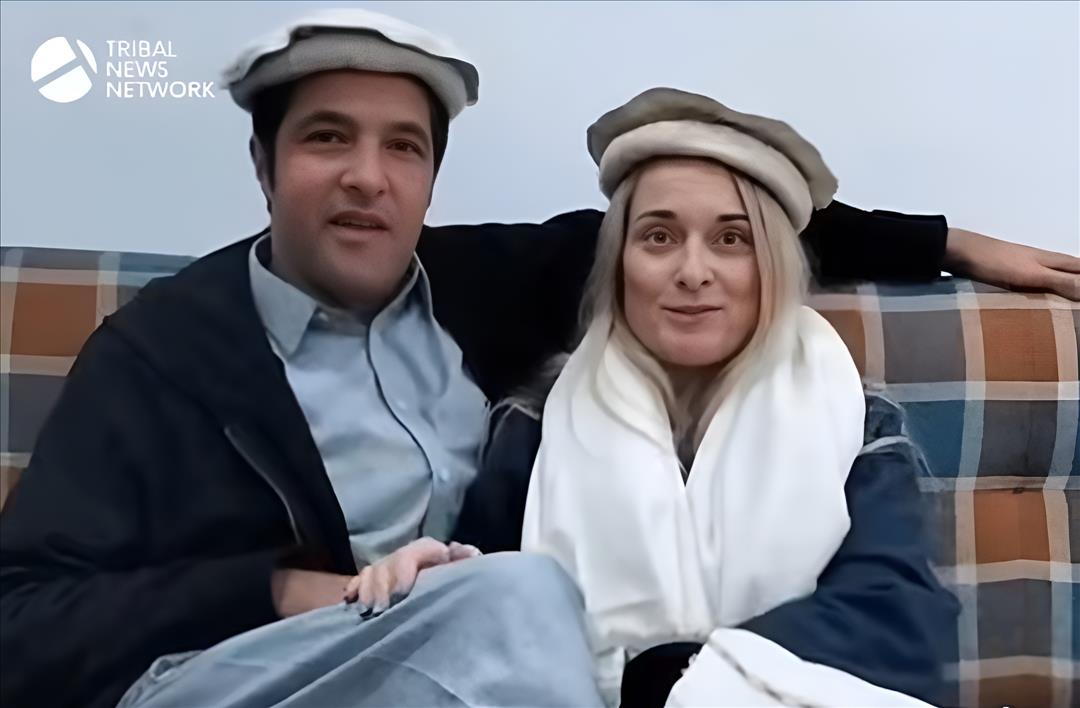
Celebrated Across Borders, Condemned At Home
(MENAFN- Tribal News Network) -->
In our society, a woman who chooses to marry of her own free will is not given respect but humiliation. Instead of honor, she is turned into a warning example. Her character is stained with accusations of immorality, and she is pushed into a life shadowed by taunts, cruel behavior, and violence in the name of honor. Yet, if the same act crosses borders, it is instantly labeled“true love” and“the best example of a love marriage,” as if changing location also changes the standards of intention, honor, and character.
If this same love were considered equally pure and acceptable for women in our own society, perhaps the horrifying statistics of so-called honor killings would not exist, and the graves of our women would not be so silent today.
Pashtun society is known for its traditions, values, sense of honor, and especially the concept of purdah (modesty/seclusion). Here, a woman is considered the honor of the family. For this reason, most decisions in her life are not made by her, nor is she allowed to make them. However, the real question is: are these principles truly applied equally to all women?
A year ago, a woman from the United States befriended a young man, Sajid Zeb from Dir district in Pakistan, through social media and came to Pakistan to marry him. After some time, she returned to the U.S., and now, after a year, she has come back to Dir to meet her husband. Videos made on this occasion have gone viral on social media.
These days, a growing trend can be seen: when a Pashtun man marries a foreign woman, the same man presents himself as open-minded. He brings his wife in front of the camera, makes videos, shares pictures, gives interviews, and portrays the relationship as an achievement. He is widely praised for this behavior.
Some people watch with amazement and envy, some joke, saying,“Creditors chase us, while foreign girls chase you,” and others call it a sign of great fortune.
In contrast, if the same kind of marriage involves a Pashtun woman, the entire scenario changes. She is hidden behind purdah, her identity is erased, and her voice, opinion, and presence are suppressed in the name of honor. Even on happy occasions, her appearance in public is considered inappropriate.
Another bitter reality is that when a foreign woman marries a Pakistani man, she is not only accepted easily but also warmly. However, when a Pashtun woman exercises her legal and constitutional right to marry by choice, she faces punishment from both her family and society. The law is the same in both cases; the difference lies in social attitudes, not in the law.
The real issue here is not purdah, but mindset. If purdah is truly a religious or cultural value, then why is it not considered necessary for a foreign woman? Is she not a woman? Does her presence not affect the man's honor and dignity? And if freedom is acceptable, why is that same freedom unacceptable for a Pashtun woman?
This double standard is, in fact, the biggest problem in our society. This attitude is leaving deep and dangerous effects on society and weakening those traditions that were once considered symbols of justice, equality, and dignity, but over time are increasingly becoming examples of hypocrisy.
Note: This article reflects the personal opinion of the writer, which the organization is not necessarily required to agree with.

Legal Disclaimer:
MENAFN provides the
information “as is” without warranty of any kind. We do not accept
any responsibility or liability for the accuracy, content, images,
videos, licenses, completeness, legality, or reliability of the information
contained in this article. If you have any complaints or copyright
issues related to this article, kindly contact the provider above.
Most popular stories
Market Research

More Story






Comments
No comment