




403
Sorry!!
Error! We're sorry, but the page you were looking for doesn't exist.
Fatal Asteroid Impact For Dinosaurs Spared Sharks
Alternative Headline:
(MENAFN- Swissinfo)
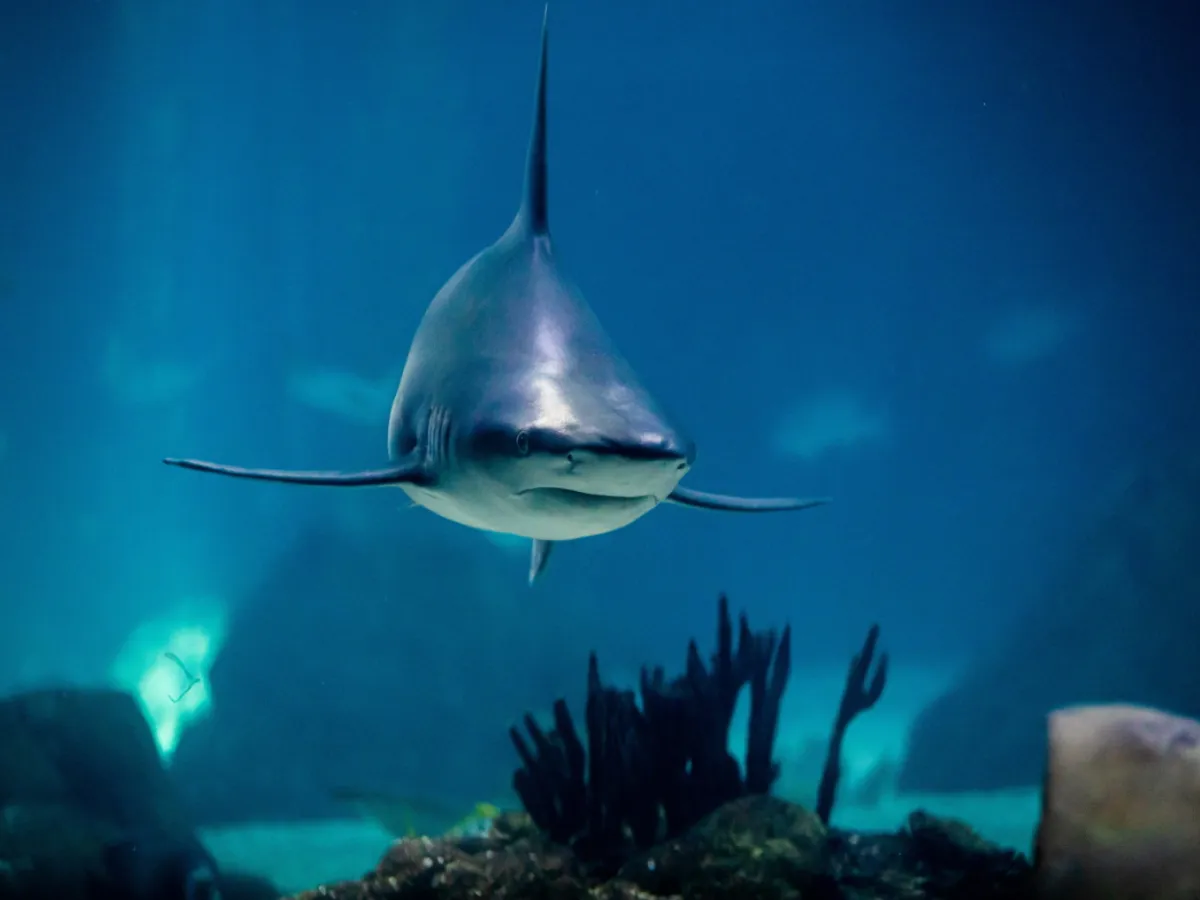
The asteroid impact that wiped out the dinosaurs did little damage to sharks and rays. According to a new study with Swiss participation, their biodiversity only declined by around 10%.
This content was published on
January 23, 2026 - 10:20
3 minutes
Keystone-SDA
-
Deutsch
de
Für Dinosaurier fataler Asteroideneinschlag verschonte Haie
Original
Read more: Für Dinosaurier fataler Asteroideneinschlag verschonte
The study led by the universities of Zurich and Swansea in Wales and published on Thursday in the journal Current Biology calls into question previous assumptions about the effects of this asteroid impact on life in the oceans.
For their study, the team compiled a new dataset of fossilised sharks and rays from the last 145 million years. They analysed this data with the help of artificial intelligence (AI).
The analysis revealed that the number of shark and ray species had already reached a level comparable to that of today in the Cretaceous period, more than 100 million years ago. The asteroid impact therefore only caused a relatively small decline in the number of species. This is in stark contrast to the mass extinction of the dinosaurs and many other marine predators.
The species diversity of sharks and rays reached its peak in the middle Eocene around 50 million years ago. Since then, their diversity has declined by more than 40%.
More More Food safety Why is endangered shark ending up on Swiss plates?This content was published on Dec 16, 2025 New regulations have restricted the import of shark meat but it still finds its way on to Swiss plates due to mislabelling and the clandestine trade.
Read more: Why is endangered shark ending up on Swiss pl 'Significant today'“This long-term decline is significant today because it suggests that modern sharks and rays are already starting from a reduced base,” study leader Catalina Pimiento from the universities of Swansea and Zurich said in a press release on the University of Swansea study.
Sharks and rays are therefore not only facing human threats such as overfishing and climate change, but have already lost a great deal of evolutionary potential over tens of millions of years, she said.
According to the researchers, the patterns that have now been discovered were invisible to earlier methods. Study co-author Daniele Silvestro from the federal technology institute ETH Zurich explained in the press release that the AI model was able to learn to recognise when fewer fossils in a particular region were due to limited collecting activity rather than a genuine biological decline.
Adapted from German by AI/ts

Legal Disclaimer:
MENAFN provides the
information “as is” without warranty of any kind. We do not accept
any responsibility or liability for the accuracy, content, images,
videos, licenses, completeness, legality, or reliability of the information
contained in this article. If you have any complaints or copyright
issues related to this article, kindly contact the provider above.
Most popular stories
Market Research

More Story








Comments
No comment